
The allure of California’s ancient forests has long captivated the human imagination. Towering above all others, the coast redwood (Sequoia sempervirens) stands as a living testament to time and resilience. These colossal trees, found primarily along the Northern California coast, represent not just a natural wonder, but a significant landmark for any nature enthusiast or traveler seeking awe-inspiring natural beauty. The question of “Where is the tallest redwood?” is more than just a geographical query; it’s an invitation to embark on a journey into the heart of a truly remarkable ecosystem.
The Reigning Champion: Hyperion
For years, the undisputed monarch of the redwood world has been a tree named Hyperion. Located within the protected boundaries of Redwood National and State Parks, Hyperion has held the title of the tallest known living redwood, and indeed, the tallest known living organism on Earth, for some time. Discovered in 2006 by naturalists Chris Atkins and Michael Taylor, its exact location is kept a closely guarded secret by the National Park Service. This deliberate act of preservation is crucial for its continued survival.
Protecting the Giant
The decision to withhold the precise location of Hyperion, and several other exceptionally tall redwoods, stems from a growing concern about the impact of tourism on these delicate giants. In the past, the popularity of discovering record-breaking trees has led to significant environmental degradation. Visitors, in their eagerness to see these natural wonders, have often strayed from designated trails, trampling fragile undergrowth, compacting soil around the root systems, and in some cases, even damaging the trees themselves through carving or other forms of vandalism.
The National Park Service has learned a vital lesson from the experiences of other famous landmarks. The overwhelming influx of visitors, while a testament to their appeal, can inadvertently become their downfall. For Hyperion, its very anonymity has become its greatest protection. The secrecy allows the park service to manage visitor access to the broader area responsibly, focusing on education and conservation efforts rather than direct, unmanaged access to the base of this specific tree.
Measuring a Titan
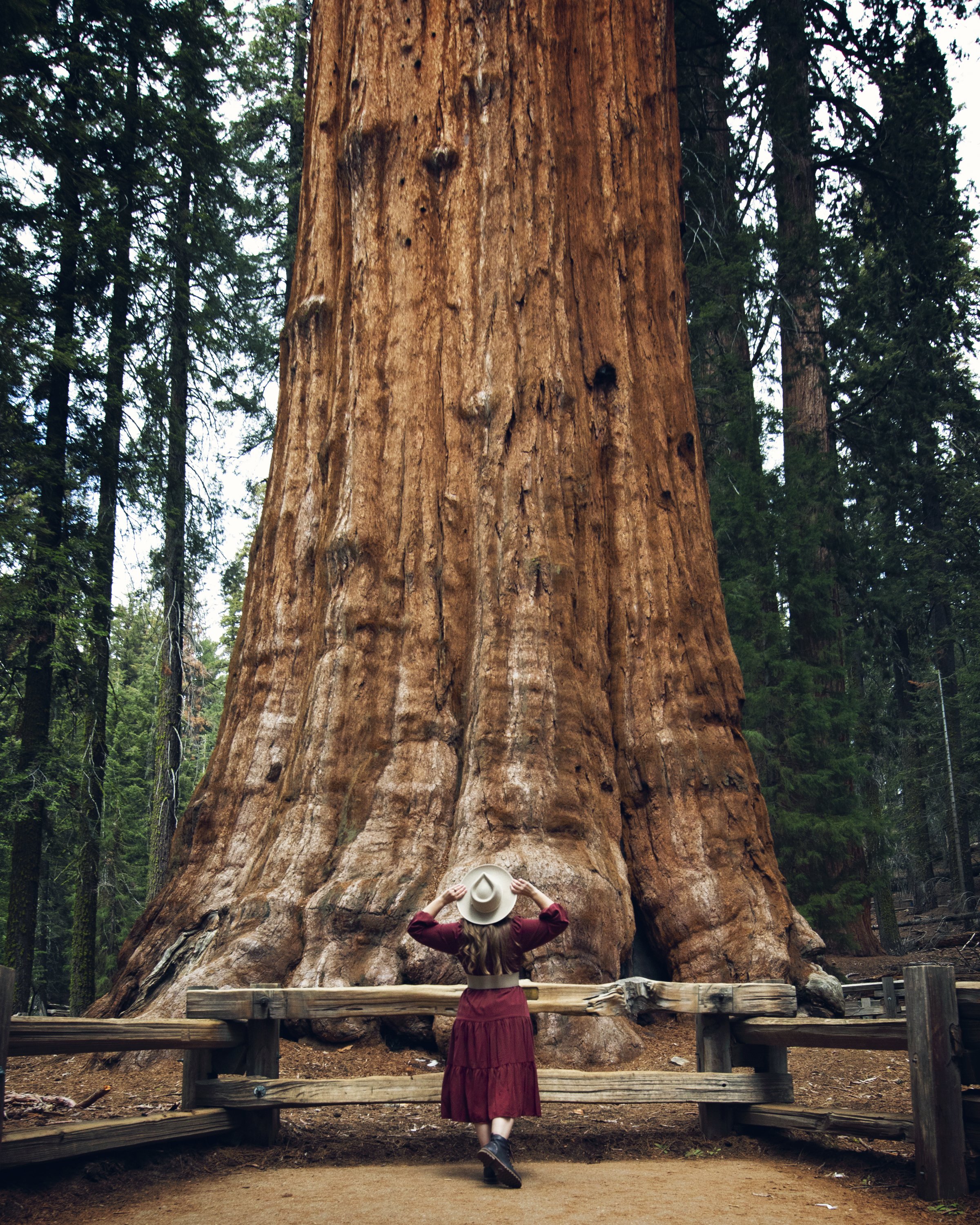
Hyperion’s current height is an astounding 380 feet (approximately 115.8 meters). To put this into perspective, it is taller than the Statue of Liberty, which stands at 305 feet (93 meters) from the ground to the tip of her torch. The sheer scale is difficult to comprehend until one stands beneath its immense canopy. The circumference of its trunk is also substantial, though it’s the height that truly defines its status as a world record holder.
The process of accurately measuring such a colossal tree is a complex undertaking. It typically involves using specialized equipment such as laser rangefinders and clinometers to determine the angle and distance to the top of the tree. These measurements are then triangulated to calculate the total height. Given the dense foliage and the tree’s sheer immensity, it’s a task that requires precision and expertise.
Exploring the Redwood National and State Parks
While Hyperion’s exact spot remains a mystery, the journey to experience the majesty of California’s tallest trees is far from inaccessible. The Redwood National and State Parks system, a UNESCO World Heritage Site, encompasses three distinct state parks—Jedediah Smith Redwoods State Park, Del Norte Coast Redwoods State Park, and Prairie Creek Redwoods State Park—along with the federally managed Redwood National Park. Collectively, these parks preserve nearly half of the world’s remaining old-growth coast redwood forests.

Scenic Drives and Accessible Trails
The parks offer a network of well-maintained scenic drives that allow visitors to immerse themselves in the grandeur of the redwood ecosystem without disturbing the sensitive environment. The Newton B. Drury Parkway in Prairie Creek Redwoods State Park is a prime example, winding through groves of ancient giants. Similarly, the Avenue of the Giants, a historic alternative route to U.S. Route 101, provides an unforgettable drive through some of the most spectacular redwood stands.
Numerous trails are designed to offer breathtaking views and intimate encounters with these arboreal titans. Trails like the Lady Bird Johnson Grove Trail in Redwood National Park, the Stout Grove Trail in Jedediah Smith Redwoods State Park, and the Fern Canyon Trail in Prairie Creek Redwoods State Park are accessible and lead visitors through stunning landscapes. These trails are carefully managed to minimize impact, encouraging visitors to stay on the marked paths.
Beyond the Tallest Tree
While the pursuit of the tallest redwood is a compelling reason to visit, the Redwood National and State Parks offer a rich tapestry of experiences. The parks are home to a diverse array of wildlife, including Roosevelt elk, black bears, and a multitude of bird species. The coastal areas provide opportunities for tide pooling, beachcombing, and observing marine life.
The history of the region is also deeply intertwined with the redwoods, from the indigenous Yurok, Tolowa, and Chilula tribes who have lived in harmony with the forests for millennia, to the era of logging and the subsequent conservation efforts. Visitor centers offer valuable insights into the ecological significance, cultural history, and ongoing conservation initiatives within the parks.
The Future of Redwood Conservation
The story of the tallest redwood is not just about a single tree; it’s a broader narrative about the importance of conservation and responsible tourism. As global awareness of environmental issues grows, so does the appreciation for these ancient ecosystems. The efforts to protect Hyperion and the broader redwood forests serve as a model for how we can balance human curiosity with the imperative to preserve natural wonders for future generations.
The Role of Technology and Science
Advances in technology are playing an increasingly vital role in understanding and protecting these giant trees. Researchers are using drones and advanced imaging techniques to monitor tree health, measure growth, and study the intricate ecosystems that thrive within the redwood canopy. Genetic research is also shedding light on the resilience of these species and informing conservation strategies.

Responsible Tourism and Education
For those who wish to experience the magic of the tallest redwoods, the key lies in embracing responsible tourism. This means adhering to park regulations, staying on designated trails, packing out all trash, and respecting the natural environment. Educating oneself about the fragility of these ecosystems and the importance of conservation is paramount. By visiting the Redwood National and State Parks with a mindful approach, travelers can contribute to the preservation of these magnificent landmarks.
While the exact location of Hyperion remains a secret, the journey to discover the tallest redwood in California is ultimately a journey into the awe-inspiring power of nature. It’s an invitation to explore a land of giants, to walk among ancient sentinels, and to be humbled by the sheer scale and enduring beauty of the natural world. The quest for the tallest redwood is a reminder that some of life’s most profound experiences are found not in reaching a specific point, but in the journey of discovery and the appreciation of what surrounds us.
LifeOutOfTheBox is a participant in the Amazon Services LLC Associates Program, an affiliate advertising program designed to provide a means for sites to earn advertising fees by advertising and linking to Amazon.com. Amazon, the Amazon logo, AmazonSupply, and the AmazonSupply logo are trademarks of Amazon.com, Inc. or its affiliates. As an Amazon Associate we earn affiliate commissions from qualifying purchases.