
The United States political landscape is a dynamic tapestry, with each state governed by an elected chief executive. Understanding who leads these powerful positions is crucial for comprehending the direction and policies influencing millions of residents. This exploration delves into the current gubernatorial leadership of two prominent states: California and Michigan. While the question of “who” might seem straightforward, the roles, responsibilities, and the distinct political climates of these states offer a more nuanced perspective on their respective governors.
The Governor Of California: A Look At Current Leadership
California, the most populous state in the U.S., boasts a significant economic and cultural influence that extends globally. Its governor holds a position of considerable national and international consequence. The current governor of California is Gavin Newsom.

Gavin Newsom: A Political Profile
Gavin Newsom assumed office as the 40th governor of California in January 2019. Prior to his governorship, he served as the Lieutenant Governor of California from 2011 to 2019 and as the Mayor of San Francisco from 2004 to 2011. His political career is marked by progressive stances on social and environmental issues.
Key Policy Areas and Initiatives
Under Governor Newsom’s leadership, California has focused on a range of critical policy areas. These include:
- Climate Change and Environmental Protection: California has been at the forefront of climate action, with Governor Newsom advocating for ambitious renewable energy goals, stricter emissions standards, and conservation efforts. Initiatives aimed at combating wildfires and protecting the state’s natural resources are also central to his administration’s agenda.
- Healthcare Access: Expanding healthcare access and affordability has been a persistent theme. The governor has championed measures to strengthen the Affordable Care Act in California and explore further avenues for universal healthcare coverage.
- Economic Development and Innovation: California is a hub for technological innovation, and the governor’s administration has sought to foster this environment while addressing issues of income inequality and affordable housing. Investments in education and workforce development are also key components.
- Social Justice and Equity: Addressing systemic inequalities remains a priority. This includes reforms in the criminal justice system, efforts to combat homelessness, and policies aimed at promoting diversity and inclusion across the state.
The Governor’s Role in a Diverse State
The governor of California must navigate the diverse interests of a state with a vast and varied population, a powerhouse economy, and a complex regulatory environment. This includes working with a diverse legislature, engaging with numerous stakeholders, and responding to national trends while maintaining the state’s unique identity. The governor’s decisions have significant implications for industries ranging from technology and entertainment to agriculture and tourism, influencing everything from the state’s infrastructure to its cultural output.
The Governor Of Michigan: Understanding Current Leadership
Michigan, a state with a rich industrial heritage and a growing diverse economy, also has its own unique leadership at the gubernatorial level. The current governor of Michigan is Gretchen Whitmer.
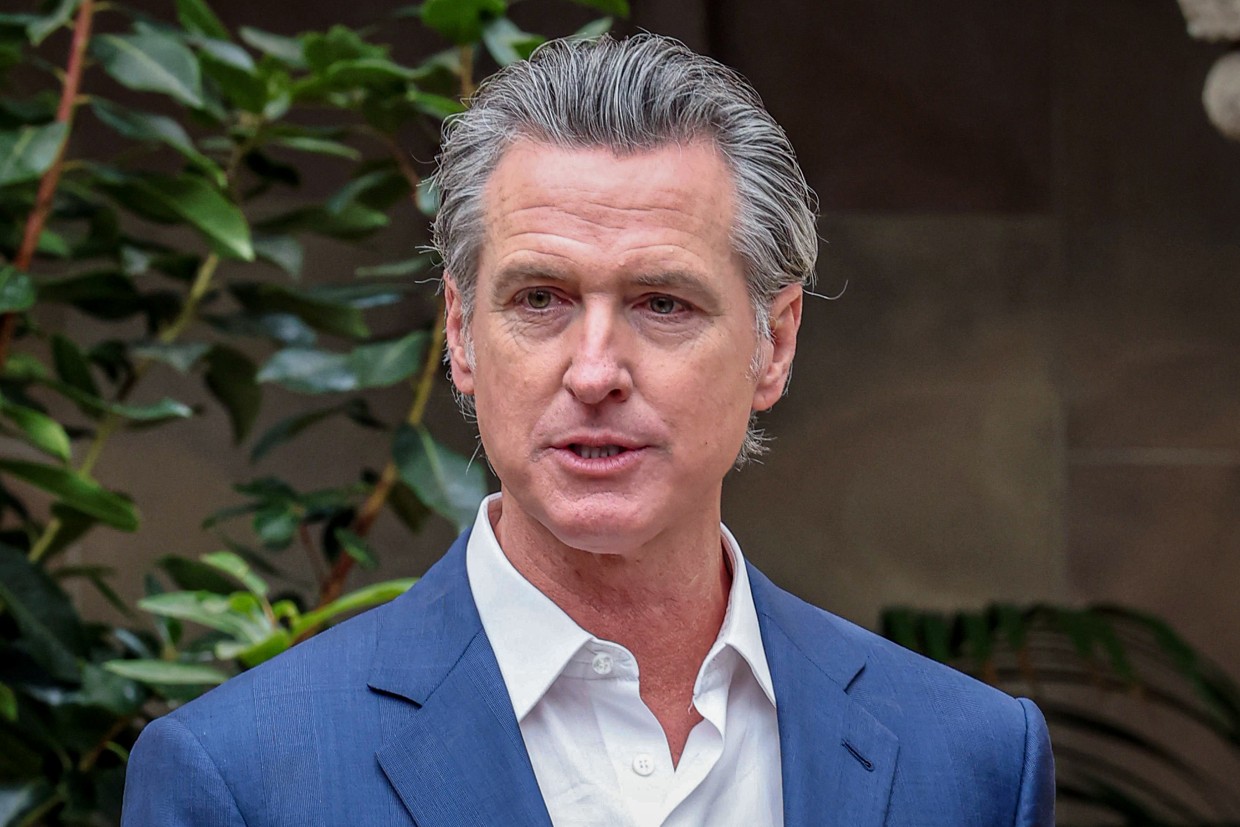
Gretchen Whitmer: A Political Profile
Gretchen Whitmer took office as the 49th governor of Michigan in January 2019. Before becoming governor, she served in the Michigan House of Representatives and later as the Minority Floor Leader. She also served as the Ingham County Prosecuting Attorney. Her political platform often emphasizes practical solutions and bipartisanship.
Key Policy Areas and Initiatives
Governor Whitmer’s administration has focused on several key policy areas aimed at revitalizing Michigan and improving the lives of its citizens:
- Infrastructure and Economic Development: A significant focus has been placed on rebuilding Michigan’s infrastructure, particularly its roads and bridges, often referred to as her “Fix the Damn Roads” initiative. Her administration has also worked to attract new businesses and support existing ones, aiming to diversify the state’s economy beyond its traditional automotive sector.
- Education and Workforce Training: Investing in education from early childhood through higher education and vocational training is a cornerstone of her agenda. The goal is to equip Michigan residents with the skills needed for the jobs of today and tomorrow.
- Healthcare Affordability and Access: Similar to California, improving healthcare access and affordability is a priority. This includes efforts to lower prescription drug costs and expand access to quality care for all Michigan residents.
- Environmental Stewardship: Governor Whitmer has emphasized protecting Michigan’s natural resources, particularly its extensive Great Lakes coastline. Efforts to address issues like the Flint water crisis and ensure access to clean drinking water are also critical.
The Governor’s Role in a Midwestern State
The governor of Michigan faces the challenge of leading a state that has undergone significant economic transformation. Balancing the needs of urban centers like Detroit with the concerns of rural communities and the legacy industries that have shaped the state requires a nuanced approach. The governor’s role involves fostering collaboration across different sectors and regions, addressing historical economic challenges, and positioning Michigan for future growth in an evolving global economy.
Comparing Gubernatorial Roles and Impact
While both Gavin Newsom and Gretchen Whitmer serve as governors of influential states, the specific challenges and opportunities they face reflect the unique characteristics of California and Michigan.
State-Specific Contexts
- Economic Scale and Diversity: California boasts the largest economy in the United States and the fifth-largest in the world, driven by technology, entertainment, and agriculture. Michigan, while also diversifying, still has a strong connection to its automotive manufacturing roots, alongside growing sectors in life sciences and advanced manufacturing. This disparity in economic scale and composition influences the types of industries and workforce development initiatives each governor prioritizes.
- Geographic and Environmental Considerations: California’s vast geography encompasses deserts, mountains, coastlines, and fertile agricultural valleys, presenting unique environmental challenges like drought, wildfires, and water management. Michigan, with its extensive Great Lakes shoreline, faces distinct environmental issues related to water quality, Great Lakes preservation, and industrial legacy cleanup.
- Political Climates: Both states have distinct political leanings, though they are both considered to be reliably Democratic. However, the specific issues and voter priorities can differ. In California, progressive policies often have strong public support, while in Michigan, issues related to economic opportunity, infrastructure, and the direct impact on working families often take center stage.

The Broader Significance of State Leadership
The actions and policies enacted by governors like Gavin Newsom and Gretchen Whitmer have far-reaching implications. They shape the daily lives of millions of residents, influence the business climate, and contribute to the national dialogue on critical issues. Understanding their leadership provides insight into the distinct trajectories of these two influential American states and the forces that drive their development and progress. The individuals at the helm of California and Michigan are instrumental in guiding their states through contemporary challenges and opportunities, setting the stage for their future prosperity and societal well-being.
LifeOutOfTheBox is a participant in the Amazon Services LLC Associates Program, an affiliate advertising program designed to provide a means for sites to earn advertising fees by advertising and linking to Amazon.com. Amazon, the Amazon logo, AmazonSupply, and the AmazonSupply logo are trademarks of Amazon.com, Inc. or its affiliates. As an Amazon Associate we earn affiliate commissions from qualifying purchases.