
The question of ownership surrounding the California Angels is a fascinating journey through the evolution of professional sports franchises and their complex financial landscapes. While the team is no longer known as the California Angels, having transitioned to the Los Angeles Angels of Anaheim and later the Los Angeles Angels, the history of its ownership sheds light on the business of baseball and the impact of key figures in shaping a team’s identity and trajectory. This exploration delves into the individuals and entities that have held the reins of this iconic franchise, tracing its path from its inception to its current state.

The Gene Autry Era: A New Beginning in Anaheim
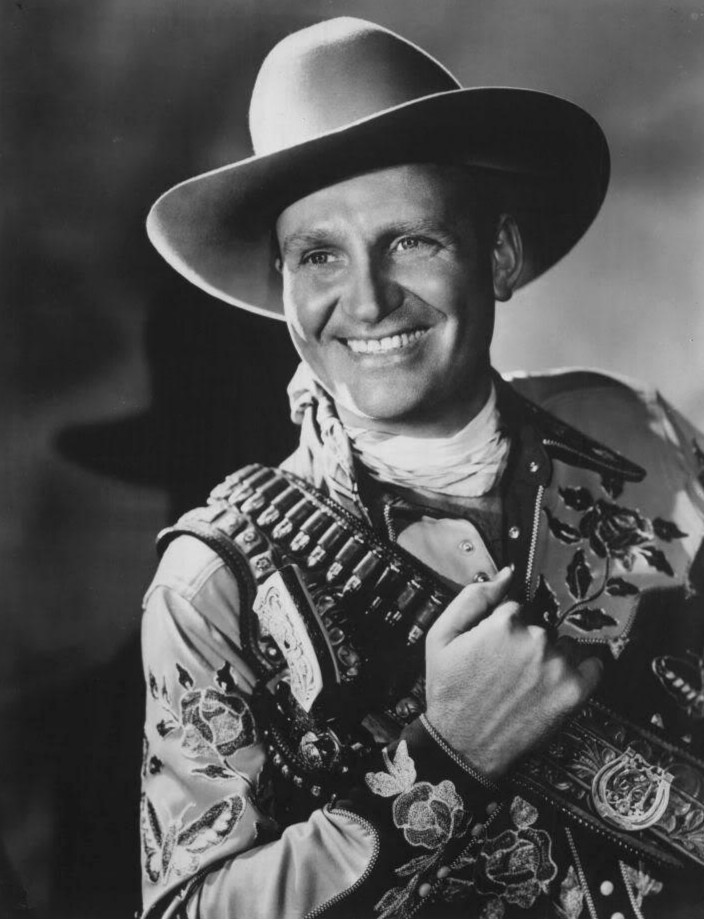
The story of the California Angels begins with a legendary figure in American entertainment: Gene Autry. Known as the “Singing Cowboy,” Autry was a successful actor, singer, and businessman. In 1960, he was granted an American League expansion franchise, marking the birth of the Angels. Autry’s vision was not just about baseball; it was about creating a community-focused sports team that would resonate with the burgeoning population of Southern California.
Founding the Franchise
Autry, along with his partners, secured the rights to an expansion team in the American League, which was set to begin play in 1961. The team was initially named the “Los Angeles Angels,” a nod to the city’s rich history and its burgeoning baseball fanbase. However, the team would soon find its permanent home in Anaheim.
The Move to Anaheim and the “California” Name
In 1966, the Angels moved into their state-of-the-art stadium, now known as Angel Stadium of Anaheim. This move coincided with a rebranding to the “California Angels,” a name that aimed to capture the broader appeal of the entire state, particularly as its population exploded in the mid-20th century. This name change reflected a strategic decision to be more than just a Los Angeles team, but a representative of California’s growing sports culture.
Autry’s Influence and Legacy
Under Autry’s stewardship, the Angels cultivated a reputation for family entertainment and a connection with their fanbase. While the team experienced periods of success and challenging seasons, Autry’s consistent presence provided a sense of stability and continuity. He was deeply involved in the team’s operations, and his personal touch was felt throughout the organization. His ownership, which lasted for decades, laid the foundation for what the Angels would become, establishing a loyal following and a distinct identity within Major League Baseball. Gene Autry’s passing in 1998 marked the end of an era, leaving a significant void in the ownership of the franchise.
The Disney Era: A Period of Investment and Transformation
Following Gene Autry’s death, his estate eventually sold the California Angels to The Walt Disney Company in 1996. This acquisition signaled a new chapter for the franchise, one characterized by significant investment and a desire to leverage Disney’s vast resources and branding power. The Disney ownership aimed to enhance the fan experience and integrate the team more deeply into the entertainment landscape of Southern California.
Acquisition by The Walt Disney Company
The Walt Disney Company, headquartered in nearby Burbank, saw the Angels as a strategic addition to its portfolio of entertainment ventures. The acquisition was part of Disney’s broader strategy to expand its presence in sports and live entertainment. The company brought a wealth of experience in marketing, operations, and fan engagement, which were expected to elevate the Angels’ profile.
Rebranding and Stadium Enhancements
During the Disney ownership, the team underwent a significant rebranding. In 2005, the team’s name was officially changed to the Los Angeles Angels of Anaheim. This change was a complex decision, aiming to balance the team’s historical connection to Anaheim with the broader market appeal of Los Angeles. Disney also invested heavily in stadium renovations, upgrading facilities and amenities to create a more modern and enjoyable experience for fans attending games at Angel Stadium of Anaheim. These enhancements included improved seating, concessions, and entertainment areas.
On-Field Success and Fan Engagement
The Disney era also saw some notable on-field successes for the Angels, including their remarkable run to the World Series championship in 2002. This victory was a watershed moment for the franchise and its fans, solidifying the team’s place in baseball history. Disney’s marketing prowess undoubtedly played a role in amplifying the excitement surrounding this achievement. The company focused on creating a family-friendly atmosphere at the ballpark, aligning with its core brand identity.
The Arte Moreno Era: A Return to Private Ownership and Continued Ambitions
In 2003, while still under Disney’s ownership, the Los Angeles Angels of Anaheim were sold to Mexican-American billionaire Arte Moreno. Moreno, the founder of Outdoor Systems, became the first Hispanic majority owner of a Major League Baseball team. His acquisition marked a return to private ownership and brought a fresh perspective and substantial financial commitment to the franchise.
Moreno’s Vision and Investment
Moreno’s primary goal was to build a consistently competitive team and enhance the fan experience. He invested significantly in player payroll, aiming to attract and retain top talent. His ownership has been characterized by a long-term vision for the franchise, focusing on sustainable success and a strong connection with the Southern California community.
Team Name Evolution and Stadium Future
Under Moreno’s ownership, the team’s name has undergone further evolution, eventually becoming simply the Los Angeles Angels in 2013, a move that continued to navigate the complexities of its geographic identity. The future of Angel Stadium of Anaheim has also been a significant talking point, with discussions and plans for potential renovations or a new stadium surfacing periodically. Moreno’s commitment to keeping the team competitive and ensuring its long-term viability in Anaheim has been a central theme of his tenure.

Impact on Franchise Identity
Arte Moreno’s ownership has been instrumental in shaping the modern identity of the Angels. His commitment to building a winning team, coupled with his deep understanding of the local market, has fostered a passionate fanbase. The franchise continues to be a prominent fixture in Major League Baseball, with its ownership history reflecting the dynamic nature of professional sports and the evolving business of baseball. The story of who owns the California Angels is, in essence, the story of a beloved franchise’s journey through different ownership hands, each leaving their indelible mark on its legacy and future.
LifeOutOfTheBox is a participant in the Amazon Services LLC Associates Program, an affiliate advertising program designed to provide a means for sites to earn advertising fees by advertising and linking to Amazon.com. Amazon, the Amazon logo, AmazonSupply, and the AmazonSupply logo are trademarks of Amazon.com, Inc. or its affiliates. As an Amazon Associate we earn affiliate commissions from qualifying purchases.