
As the global landscape grappled with the unprecedented challenges of the COVID-19 pandemic, a significant divergence in response emerged across the United States. While many urban centers and densely populated areas adhered strictly to mandated lockdowns, a notable trend saw a segment of California’s rural counties charting their own course. This decision, often met with scrutiny and debate, was not a wholesale rejection of public health concerns, but rather a complex interplay of economic realities, community values, and a perceived disconnect between state mandates and local conditions.
Echoes of Independence: A Distinct Rural Identity
The decision of certain rural counties to defy or significantly modify state lockdown orders stemmed from a deeply ingrained sense of local autonomy and a distinct perception of their unique circumstances. Unlike the bustling metropol

Economic Pressures: The Lifeblood of Rural Communities
For many rural California communities, the economic ramifications of prolonged lockdowns were dire. Industries such as agriculture, logging, and small-scale manufacturing formed the backbone of their local economies. These sectors often operated with built-in social distancing, with workers spread across large tracts of land or in smaller, more controlled environments. The argument was that halting these operations, even temporarily, would lead to irreparable financial damage, impacting livelihoods and the very survival of these communities.
Agriculture’s Enduring Necessity
The agricultural sector, in particular, faced immense pressure. Farmers and ranchers operate on tight schedules dictated by planting and harvesting seasons. A shutdown would not only mean lost income but also the potential spoilage of produce and the inability to meet contractual obligations. The essential nature of food production, even in a pandemic, was a powerful justification for maintaining operations. The logistics of farming, often involving individuals or small crews working outdoors, presented a stark contrast to the close-quarter interactions found in many urban service industries.
Small Business Survival
Beyond agriculture, numerous small businesses, from general stores and hardware shops to independent restaurants and artisan workshops, formed the social and economic fabric of these rural towns. For these establishments, the revenue generated during typical operating periods was often just enough to cover overhead and provide a modest living for owners and employees. Extended closures, even with the promise of future aid, posed an existential threat, forcing owners to choose between compliance and financial ruin. The argument for keeping these businesses open, with appropriate safety measures, often centered on the immediate need for income to sustain families and prevent permanent closures.
Perceived Lack of Threat: A Question of Proximity
Another significant factor influencing the defiance was the perceived lower risk of widespread transmission in sparsely populated areas. With fewer people in close proximity and a greater reliance on outdoor activities, the rationale was that the virus posed a less immediate threat compared to densely packed urban environments. This perception, while sometimes debated by public health officials, played a crucial role in shaping local decision-making.
Open Spaces as a Natural Buffer
The vast geographical expanse of rural California, characterized by sprawling ranches, national forests, and agricultural fields, inherently provided a degree of natural social distancing. Residents were accustomed to driving significant distances to reach destinations, and their daily interactions were less likely to involve crowded public spaces. This inherent environment led to a belief that the stringent lockdown measures, designed for urban density, were disproportionate and unnecessary for their regions.
Lower Case Numbers (Initially)
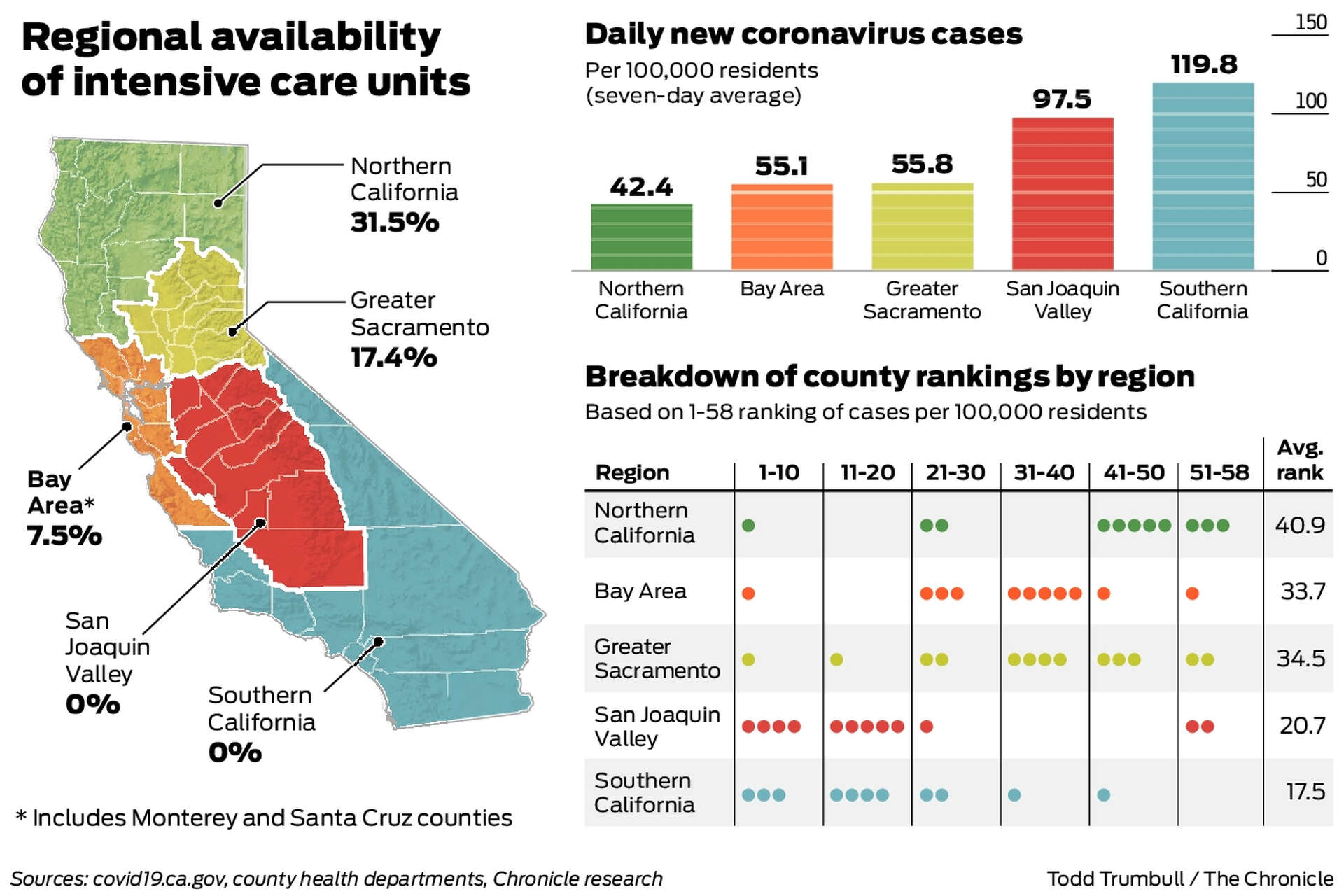
In the early stages of the pandemic, many rural counties reported significantly lower numbers of COVID-19 cases compared to their urban counterparts. This disparity fueled the argument that the risk of infection was minimal and that resources, such as testing and healthcare capacity, were being disproportionately allocated to areas with higher case loads, while rural areas were suffering economically without a clear and present danger.
Community Cohesion and Local Governance
Beyond economic and epidemiological considerations, the decisions made by rural counties were also shaped by a strong sense of community cohesion and a preference for local governance. Many of these communities have long-standing traditions of self-reliance and a deep distrust of top-down mandates perceived as out of touch with their realities.
The Power of Local Voices
In smaller communities, local leaders, sheriffs, and elected officials often have a more intimate understanding of their constituents’ needs and concerns. When state-level mandates felt misaligned with these local realities, there was a greater willingness for these leaders to advocate for alternative approaches or to interpret guidelines in a way that best served their communities. This often manifested as a pushback against blanket policies that didn’t account for the unique demographics, geography, and economic structures of rural life.
Sheriff Departments as Gatekeepers
In some instances, local sheriff departments played a key role in interpreting and enforcing state mandates. Some sheriffs publicly stated their intention to focus enforcement on egregious violations rather than strict adherence to every aspect of the lockdown, prioritizing community relations and respecting local sentiment. This provided a degree of latitude for businesses and individuals to operate within a more flexible framework.
Mistrust of State Authority
A persistent undercurrent in many rural areas is a general skepticism towards state government, particularly when it comes to regulations that are perceived as infringing upon individual liberties or local control. The COVID-19 lockdowns, with their sweeping restrictions on movement and business operations, tapped into this existing distrust, leading to a greater receptiveness to dissenting opinions and alternative actions.
Navigating the Nuances of Public Health and Local Autonomy
The decision of California rural counties to defy lockdowns was a complex phenomenon, not a simple act of rebellion. It represented a deep-seated belief that local conditions warranted a tailored approach to public health challenges, one that balanced the imperative to protect residents with the necessity of maintaining economic viability and preserving community life.
Seeking a Middle Ground
It is crucial to understand that defiance did not necessarily equate to a complete disregard for public health. Many counties that relaxed or rejected certain mandates still encouraged mask-wearing, promoted hand hygiene, and advised vulnerable populations to self-isolate. The distinction lay in the degree of enforcement and the overall approach to restrictions, with a greater emphasis on voluntary compliance and community-driven safety measures rather than strict state-imposed penalties.
Alternative Strategies for Risk Mitigation
Some rural counties explored alternative strategies for mitigating risk that were more suited to their environments. This could include designating specific hours for at-risk individuals to shop, encouraging appointments for services, or facilitating outdoor dining options for restaurants even when indoor dining was restricted. These were efforts to adapt public health guidance to local realities rather than outright dismissal.
The Long-Term Implications
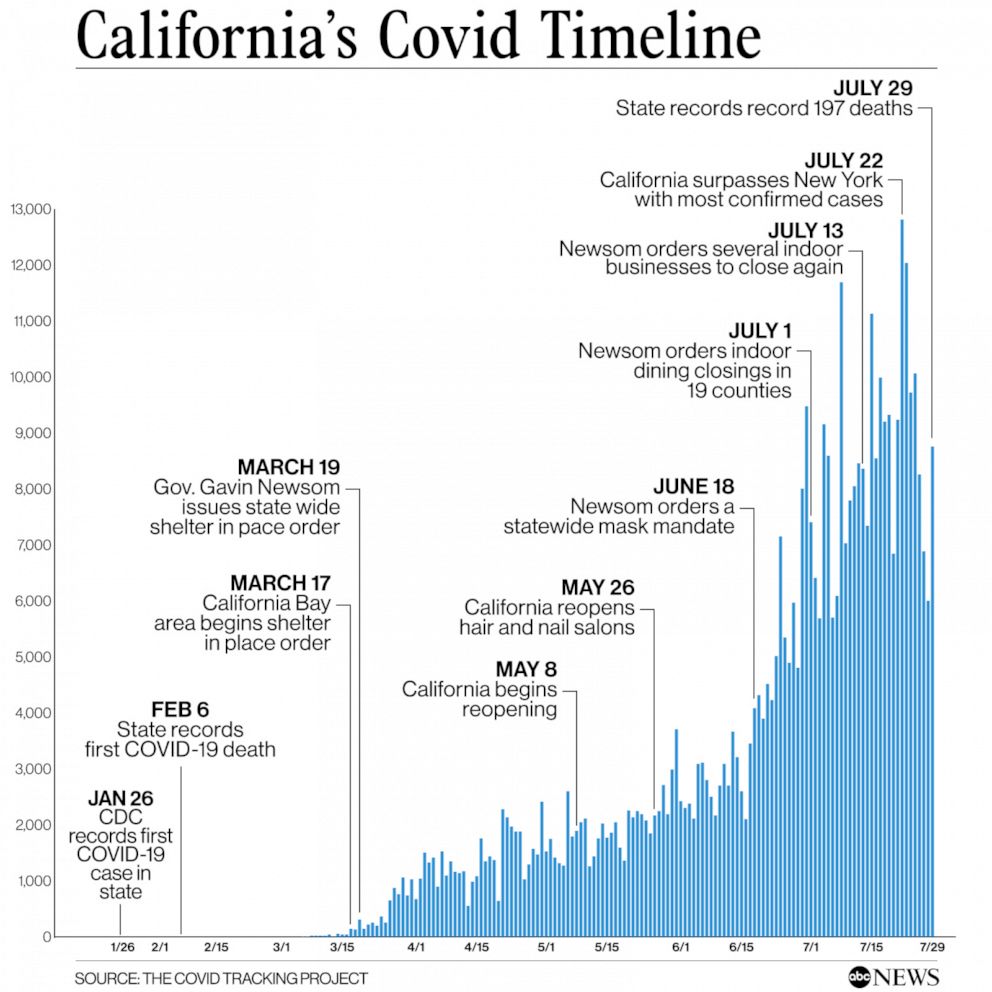
The long-term implications of these decisions continue to be a subject of study and debate. While some argue that this approach allowed rural economies to weather the pandemic more effectively, others point to potential public health consequences. Regardless of the ultimate outcome, the experience of California’s rural counties in defying lockdowns offers a compelling case study in the complexities of governance, community resilience, and the enduring tension between centralized authority and local autonomy in times of crisis. The narrative highlights the critical need for nuanced policy-making that considers the diverse realities of a state as vast and varied as California, from the bustling urban centers to the quiet, independent spirit of its rural heartlands.
LifeOutOfTheBox is a participant in the Amazon Services LLC Associates Program, an affiliate advertising program designed to provide a means for sites to earn advertising fees by advertising and linking to Amazon.com. Amazon, the Amazon logo, AmazonSupply, and the AmazonSupply logo are trademarks of Amazon.com, Inc. or its affiliates. As an Amazon Associate we earn affiliate commissions from qualifying purchases.