
The Golden State, a land of sun-drenched beaches, towering redwood forests, and iconic cities, carries a name steeped in legend and romance. But where does the evocative moniker “California” truly originate? The answer is not as straightforward as one might expect, weaving together threads of medieval literature, exploration, and a touch of wishful thinking. Understanding the genesis of this name offers a fascinating glimpse into the early perceptions of this vast and desirable territory.
The Literary Roots: A Fabled Amazonian Island
The most widely accepted theory traces the name “California” back to a 16th-century Spanish novel titled Sergas de Esplandián (The Adventures of Esplandián). This chivalric romance, a sequel to the immensely popular Amadís de Gaula, was penned by a Spanish author, likely Garci Rodríguez de Montalvo. The novel, a fantastical tale of knights, damsels, and mythical creatures, captivated readers across Europe during its time.
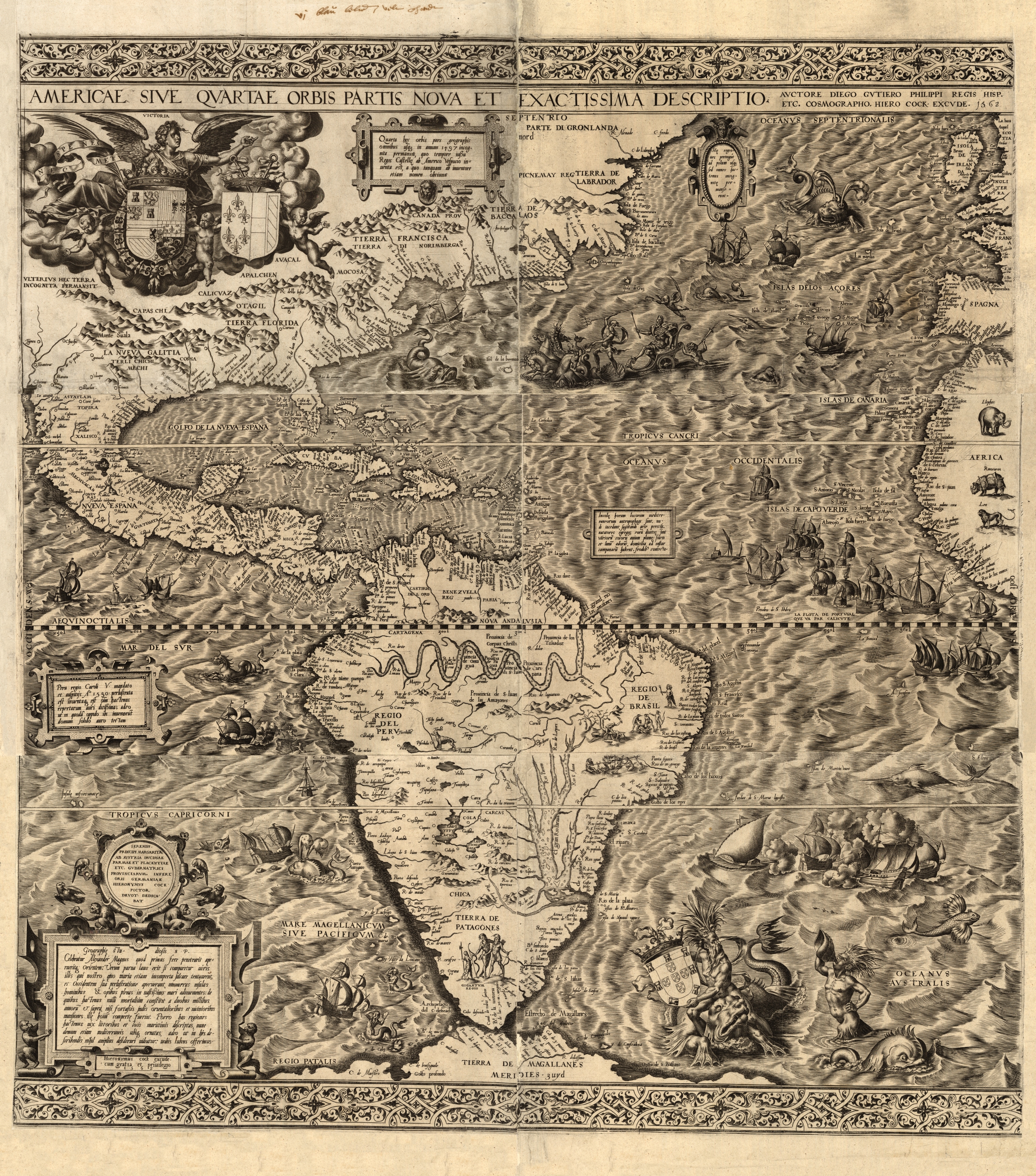
Within the pages of Sergas de Esplandián, a prominent fictional land is described: the island of California. This island, situated “on the right hand of the Indies,” was said to be inhabited solely by beautiful and powerful Black Amazonian women, ruled by their queen, Calafia. The land was depicted as rich and abundant, a paradise of gold, precious stones, and exotic beasts. The women, skilled in warfare, possessed legendary prowess, and their armor was forged from gold. The narrative painted a picture of a remote, almost mythical realm, untouched by men, where nature flourished and wealth was commonplace.
The author of Sergas de Esplandián described California as follows:
“Know that to the right hand of the Indies there is an island called California, very close to that part of the Terrestrial Paradise, which was created by God for its great virtues. It is populated by Black women, of whose race I have no knowledge, except that they exercise the valor of Amazons. There are in this island the richest mines of gold, and it is the country in all the world where there is the greatest abundance of gold. For the other things, it is the most powerful kingdom, and the most valiant, the most amorous, the most free, and the most generous that has been for a long time.”
This vivid imagery, coupled with the novel’s widespread popularity, is believed to have planted the seed for the name’s eventual application to a real land.
The Appeal of the Exotic and Abundant
The allure of California in Montalvo’s novel was multifaceted. The promise of immense mineral wealth, particularly gold, was a powerful draw for explorers and conquerors of the era. The concept of a land teeming with untold riches was a recurring theme in European exploration narratives, fueled by the discovery of the Americas and the vast treasures extracted from places like the Aztec and Inca empires.
Furthermore, the exotic nature of the island and its formidable female inhabitants added to its mystique. In a society often dominated by patriarchal structures, the idea of a powerful, matriarchal society held a certain fascination, even if it was purely fictional. The description of California as a place of unparalleled beauty and natural abundance resonated with the European imagination, eager to discover new paradises and expand their knowledge of the world.
The Age of Exploration and the Naming of Land
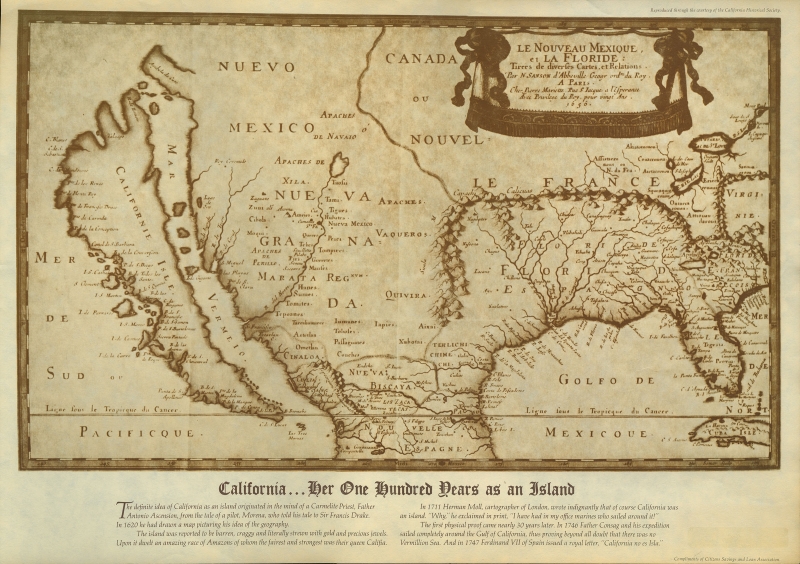
When Spanish explorers, driven by ambition, the desire for new trade routes, and the pursuit of gold and glory, began their voyages to the New World, they carried with them the stories and myths that shaped their understanding of the world. The narratives of fantastical lands and hidden treasures, like those found in Sergas de Esplandián, undoubtedly influenced their expectations and interpretations of the territories they encountered.
During the 16th century, Spanish conquistadors, most notably Hernán Cortés, were exploring the western coasts of what is now Mexico. Their expeditions led them to believe that the lands they were charting were part of a vast continent, rather than a series of islands. As they ventured further north along the Pacific coast, encountering the large peninsula now known as Baja California, the parallels to the fictional island of California began to emerge in their minds.
The Role of Álvar Núñez Cabeza de Vaca
While the exact moment of the name’s transfer remains somewhat debated, a key figure often associated with its early application is Álvar Núñez Cabeza de Vaca. His epic journey and subsequent accounts of his travels in North America circulated among explorers. Though his direct involvement in naming the peninsula is not definitively proven, his narratives likely contributed to the collective consciousness that linked the region to the popular fictional island.
However, the most direct evidence points to Cortés or his captains. In 1539, Cortés dispatched an expedition led by Francisco de Ulloa to explore the Gulf of California. It is during this period that the name “California” began to appear on maps, initially referring to the peninsula itself. The explorers, encountering this remote and relatively unknown land, perhaps saw in its geography and potential wealth a reflection of the mythical island described in Montalvo’s novel. The name, with its romantic and enticing connotations, was a fitting label for a territory that held such promise.
Evolution of the Name: From Peninsula to Empire
Initially, the name “California” was applied exclusively to the peninsula that lies to the west of the Gulf of California. This geographical understanding persisted for decades. However, as Spanish exploration continued, the possibility that this landmass was not an island but rather part of a larger continent began to gain traction.
When the legendary explorer Ferdinand Magellan sailed through the Strait of Magellan in 1520, he opened up a new understanding of the geography of the Americas. Subsequent voyages and explorations along the Pacific coast of North America gradually revealed the true extent of the continent. The idea of California as a mythical island began to fade as cartographers and explorers realized it was connected to the mainland.
The Northern Expansion and the “Golden State”
The Spanish presence in California expanded over the following centuries, with the establishment of missions and presidios, particularly in what is now Alta California (Upper California). The territory of Alta California, which encompassed the present-day U.S. state of California, was once part of New Spain.
The discovery of gold in 1848 at Sutter’s Mill near Coloma by James W. Marshall triggered the California Gold Rush. This event dramatically transformed the region, attracting hundreds of thousands of prospectors and settlers from around the globe. The immense wealth and rapid growth associated with the Gold Rush cemented California‘s reputation as a land of opportunity and abundance, echoing the very qualities that had inspired its name centuries earlier. The moniker “The Golden State” became synonymous with California, a direct nod to both its newfound mineral wealth and the enduring myth of its richly endowed namesake.

Conclusion: A Name Born of Imagination and Discovery
The naming of California is a remarkable testament to the power of literature and the enduring human spirit of exploration. What began as a fanciful invention in a 16th-century Spanish romance evolved into the designation for one of the world’s most dynamic and influential regions. The name itself evokes a sense of wonder, prosperity, and a touch of the extraordinary – qualities that have, in many ways, come to define the identity of the state. From its mythical origins as an island of Amazonian queens and untold gold to its reality as a vibrant hub of innovation, culture, and natural beauty, California‘s name remains a captivating legacy of a world where imagination and discovery intertwined. The peninsula explored by Cortés and the vast state that grew to encompass it owe their enduring appellation to a fictional land that captured the dreams of early explorers and continues to inspire awe today.
LifeOutOfTheBox is a participant in the Amazon Services LLC Associates Program, an affiliate advertising program designed to provide a means for sites to earn advertising fees by advertising and linking to Amazon.com. Amazon, the Amazon logo, AmazonSupply, and the AmazonSupply logo are trademarks of Amazon.com, Inc. or its affiliates. As an Amazon Associate we earn affiliate commissions from qualifying purchases.