
California, a state renowned for its sunshine, innovation, and diverse landscapes, also carries a reputation for its robust tax structure. For many visitors and even residents planning their California travel, understanding the tax implications is a crucial part of budgeting and appreciating the overall cost of experiencing the Golden State. This exploration delves into the multifaceted reasons behind California’s high tax rates, examining how these revenues contribute to the state’s unique offerings and the infrastructure that supports its vibrant tourism industry.
The Pillars of California’s Tax Revenue
California’s tax system is a complex ecosystem designed to fund a wide array of public services and ambitious initiatives. The state relies on several key revenue streams, each playing a significant role in its overall fiscal health.
Income Tax: The Progressive Powerhouse
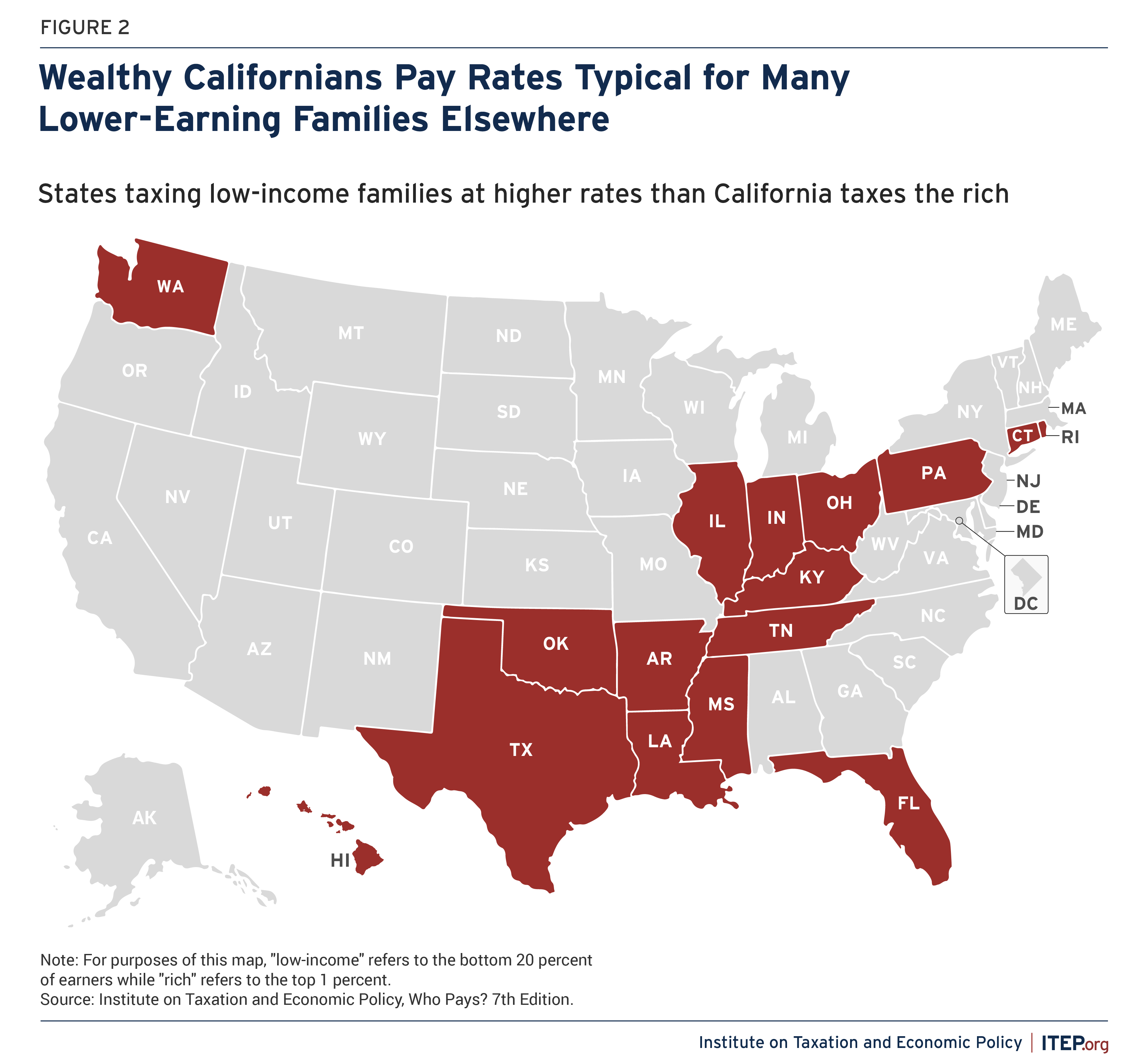
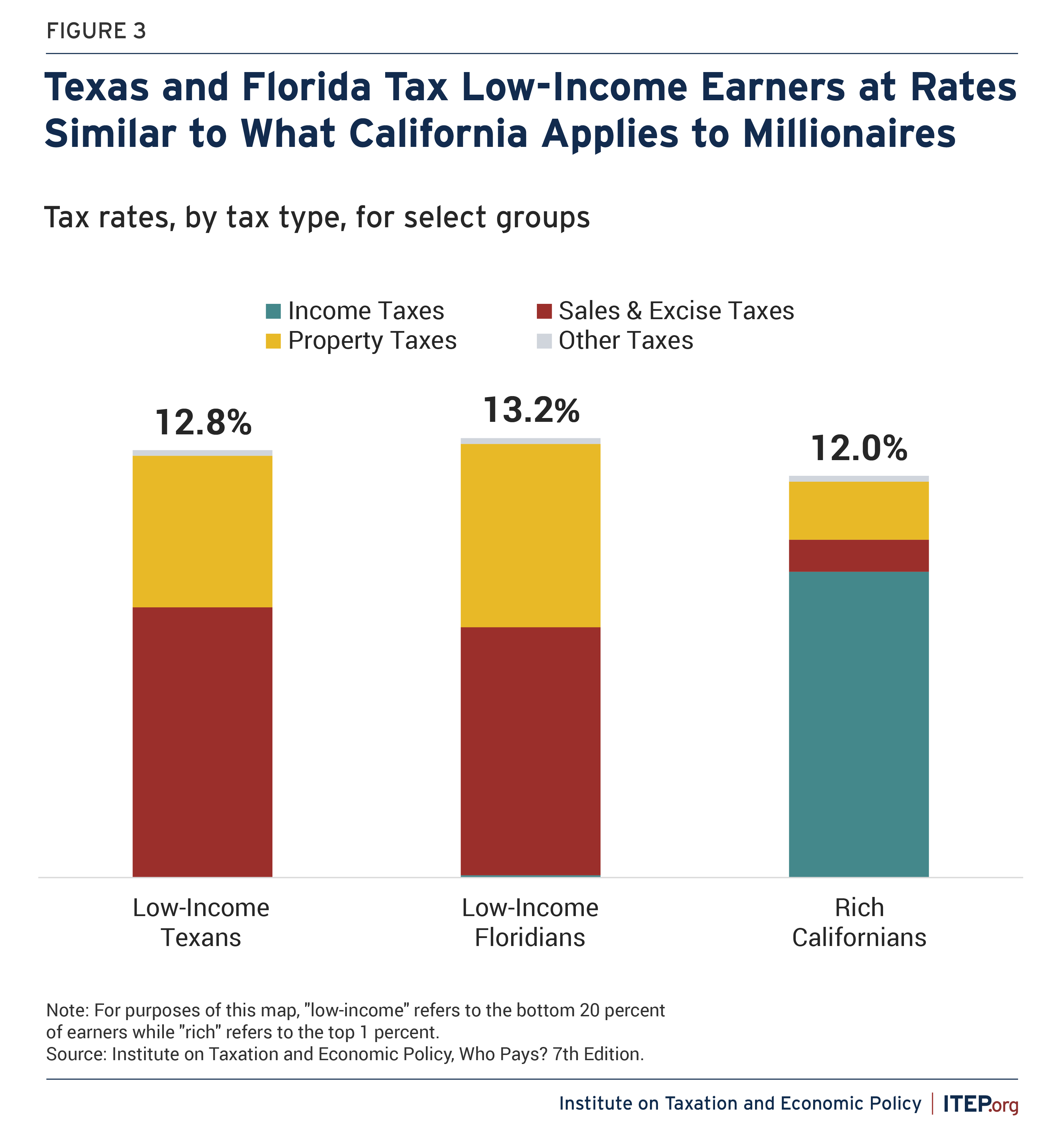
Perhaps the most prominent contributor to California’s tax revenue is its progressive income tax system. This means that individuals and corporations with higher incomes are taxed at a higher percentage. The top marginal tax rate in California is among the highest in the nation, which significantly bolsters state coffers. This revenue is essential for funding public education, from California State University campuses to K-12 schools, as well as a substantial portion of social services and infrastructure projects. For tourists, while they generally don’t pay California income tax on their earnings back home, this high rate influences the overall economic environment and the cost of goods and services that do carry sales tax.
Sales Tax: A Broad Brushstroke
The state sales tax is another substantial revenue generator. While not as progressive as income tax, it impacts nearly every transaction. Visitors will encounter sales tax on purchases of souvenirs, meals at restaurants in cities like Los Angeles or San Francisco, and services. Local jurisdictions can also impose their own sales taxes, further increasing the rate at the point of sale. This broad-based tax helps fund local services such as police and fire departments, parks, and public transportation, all of which are vital for a pleasant and safe travel experience.
Property Tax: The Foundation of Local Funding
Although primarily a local tax, property taxes are a significant component of the overall tax burden in California. While most tourists do not directly pay property tax, it underpins the funding for local schools and community services that directly impact the quality of life and the visitor experience in areas like San Diego or the Napa Valley. Proposition 13, a landmark voter initiative, limits the rate at which property values can be reassessed, creating a unique situation where long-time property owners pay significantly less than newcomers, even for comparable properties.
How Tax Revenue Shapes the California Experience
The high tax rates in California are not simply levied without purpose. The resulting revenue is strategically allocated to maintain and enhance the very aspects that draw millions of tourists to the state each year.
Infrastructure and Accessibility
A substantial portion of California tax revenue is dedicated to maintaining and upgrading its vast transportation network. This includes major airports like Los Angeles International Airport (LAX) and San Francisco International Airport, critical arteries for both domestic and international travelers. Well-maintained highways, public transit systems in urban centers like San Francisco and Oakland, and the extensive rail network all benefit from this funding. This infrastructure ensures that reaching iconic destinations such as Yosemite National Park or enjoying a scenic drive along the Pacific Coast Highway is a smooth and accessible experience.
Public Services and Safety
The quality of life in California is significantly influenced by the robust public services funded by taxes. This includes well-staffed and equipped police and fire departments, ensuring safety in tourist hotspots and throughout the state. Public health initiatives, park maintenance, and environmental protection efforts also receive substantial investment. For instance, the pristine condition of state parks, from Big Sur to Joshua Tree National Park, is a direct result of sustained funding for their preservation and accessibility.
Education and Innovation
California is a global hub for innovation and higher education, with world-renowned institutions like Stanford University and the University of California, Berkeley. The tax system plays a crucial role in supporting these institutions, which not only drive economic growth but also contribute to the state’s cultural vibrancy and intellectual capital, attracting talented individuals and fostering groundbreaking research. This educational ecosystem indirectly benefits tourism by creating a dynamic and forward-thinking environment.
Navigating the Tax Landscape as a Traveler
While visitors don’t typically grapple with California income tax, understanding sales tax is paramount for budgeting. The state’s general sales tax rate, combined with local add-ons, can significantly impact the final price of goods and services.
Understanding Sales Tax on Tourist Expenditures
When booking a hotel in San Diego, dining at a restaurant in San Francisco, or purchasing souvenirs in Disneyland, travelers will encounter sales tax. The exact percentage varies by county and city, often ranging from 7.25% to over 10%. It’s advisable to factor this into your spending plans. For instance, a $200 hotel stay in a high-tax area could easily add $20 or more in sales tax. Similarly, a $100 meal could incur an additional $8-$10 in tax. This revenue is crucial for funding local infrastructure and services that enhance the visitor experience.
The Impact on Accommodation and Activities
The sales tax, and in some areas, a transient occupancy tax (often referred to as a hotel tax), directly affects the cost of staying in California. Most cities impose a hotel tax, which can range from 10% to 15% or even higher in popular tourist destinations like San Francisco or Anaheim, where Disneyland is located. When comparing hotel rates at establishments like the Fairmont San Francisco or the Hyatt Regency Huntington Beach Resort and Spa, it’s essential to look beyond the base rate and consider these additional taxes, which contribute to local tourism promotion and infrastructure. The same applies to booking tours, theme park tickets, and other paid attractions.
A Balancing Act: Revenue and the Visitor Experience
The question of whether California tax is “high” is subjective and depends on individual perspectives and comparisons. However, it’s undeniable that these taxes fund a state that offers a wealth of experiences and amenities that attract visitors from around the globe.
The Trade-Off for World-Class Attractions
California is home to an unparalleled array of attractions, from the golden beaches of Malibu to the majestic peaks of the Sierra Nevada. The funding generated by its tax system is instrumental in preserving these natural wonders, maintaining world-class theme parks like Universal Studios Hollywood, and supporting the cultural institutions found in cities like San Francisco and San Diego. The high taxes can be viewed as an investment in the quality and accessibility of these experiences.
Economic Impact and Innovation
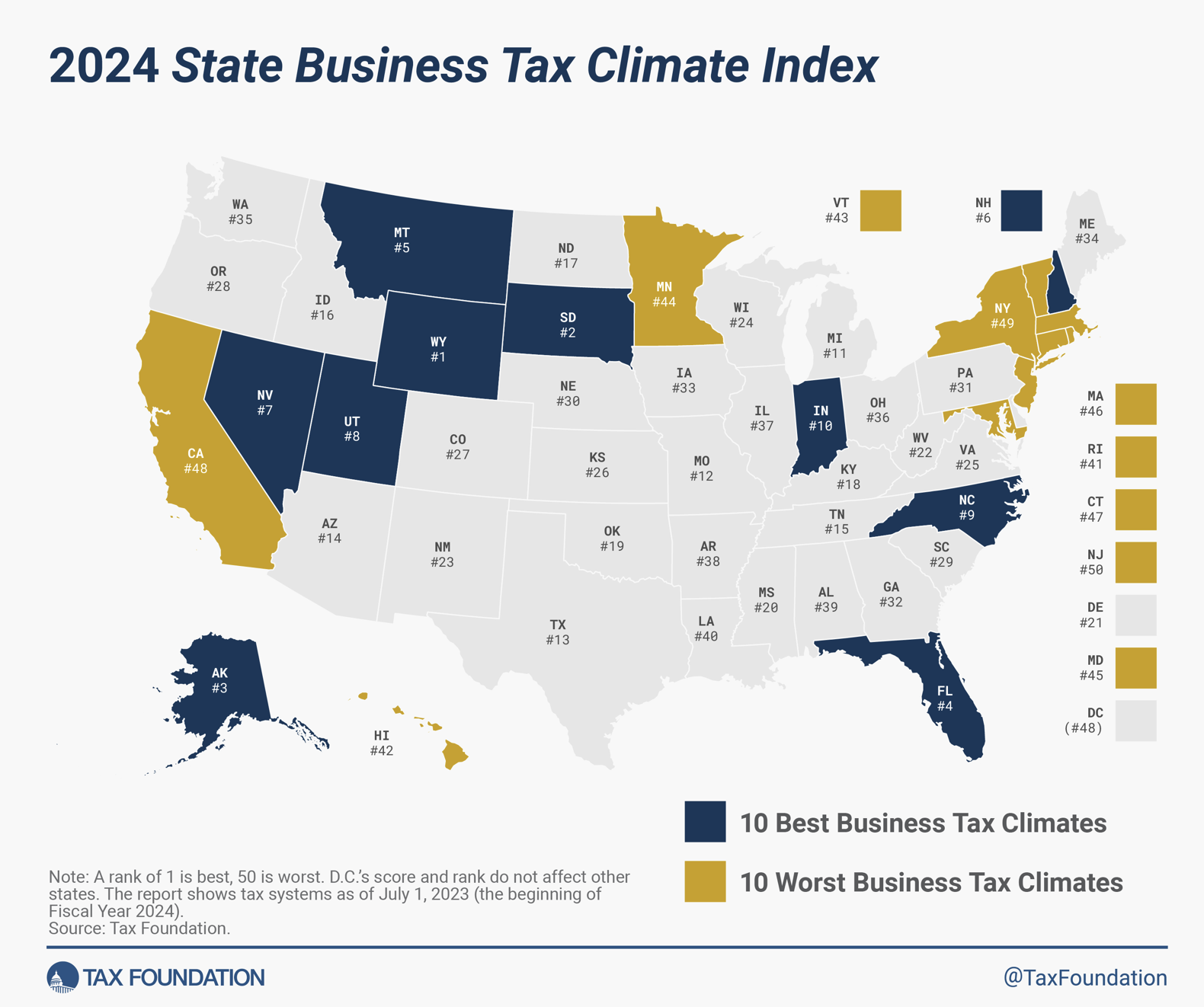
Beyond tourism, the tax revenue fuels California’s status as an economic powerhouse. The state’s commitment to education and research, supported by tax dollars, drives innovation in sectors like technology and biotechnology, which in turn create jobs and attract further investment. This vibrant economic landscape contributes to the overall dynamism and appeal of California as a destination.
In conclusion, while the tax rates in California may appear high, they are intricately linked to the state’s ability to offer exceptional infrastructure, public services, and a diverse range of attractions that define the visitor experience. Understanding these connections can provide valuable insight for travelers planning their next adventure in the Golden State.
LifeOutOfTheBox is a participant in the Amazon Services LLC Associates Program, an affiliate advertising program designed to provide a means for sites to earn advertising fees by advertising and linking to Amazon.com. Amazon, the Amazon logo, AmazonSupply, and the AmazonSupply logo are trademarks of Amazon.com, Inc. or its affiliates. As an Amazon Associate we earn affiliate commissions from qualifying purchases.