
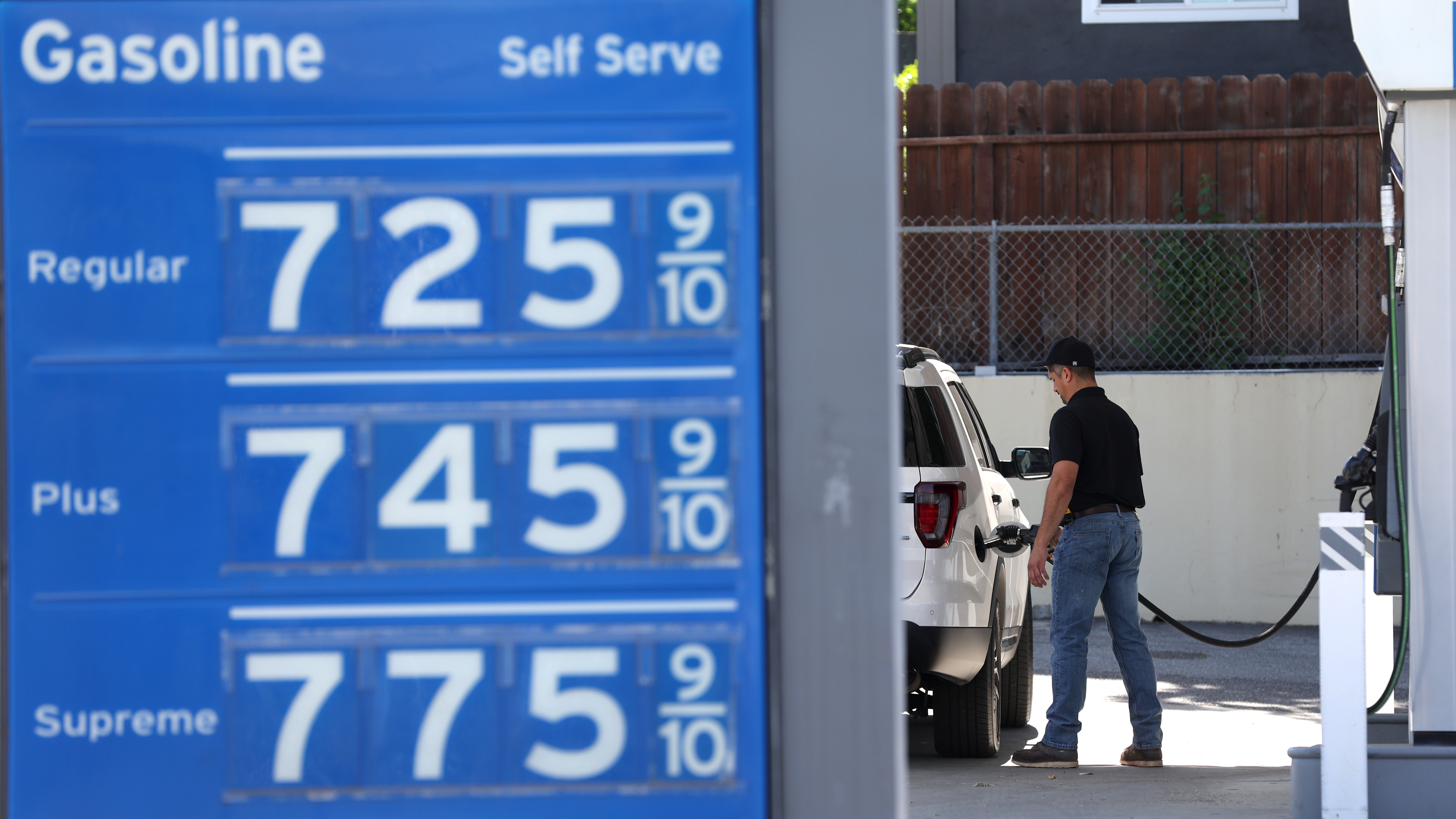
California, often lauded for its stunning natural beauty and vibrant culture, also holds the unenviable distinction of consistently having some of the highest gasoline prices in the United States. This premium at the pump is not a recent anomaly but a persistent feature of the Golden State’s fuel landscape. Understanding the multifaceted reasons behind this phenomenon requires delving into a complex interplay of environmental regulations, market dynamics, and geopolitical factors that uniquely affect California’s fuel supply chain. For travelers planning a road trip through iconic destinations like Yosemite National Park or along the scenic Pacific Coast Highway, budgeting for fuel is an essential part of the travel planning process.

The Impact of Stringent Environmental Regulations
California’s pioneering approach to environmental protection significantly shapes its gasoline market. The state has adopted some of the most ambitious clean air standards in the world, driven by concerns over smog and the health impacts of vehicle emissions, particularly in densely populated urban areas like Los Angeles and the San Francisco Bay Area. These regulations directly influence the type of gasoline that can be sold and the refining processes required.
Unique Fuel Blend Requirements
One of the primary drivers of higher fuel costs is California’s mandate for a unique gasoline blend, often referred to as “California Air Resources Board” (CARB) gasoline. This blend is formulated to have lower levels of volatile organic compounds (VOCs) and other pollutants, especially during the summer months when heat can exacerbate smog formation.
- Summer vs. Winter Blends: The need for specialized summer and winter blends adds complexity and cost. The summer blend is designed to evaporate less readily, reducing smog. This requires refiners to implement more complex and expensive production processes.
- Limited Refiner Participation: Due to the specialized nature of CARB gasoline, fewer refineries are equipped to produce it. This limits the competitive landscape, as many refineries outside of California cannot easily produce this blend and export it to the state. Consequently, California relies heavily on its in-state refining capacity and a limited number of out-of-state refineries that can meet these strict specifications.
- CARB Regulations and Innovation: While these regulations aim to improve air quality and public health, they necessitate continuous investment and upgrades by refineries. The costs associated with meeting these evolving standards are often passed on to consumers. The state’s commitment to innovation in fuel technology, while commendable for environmental goals, also contributes to a higher baseline cost of production.
Carbon Intensity Standards
Beyond specific blend requirements, California has also implemented a Low Carbon Fuel Standard (LCFS). This program aims to reduce the carbon intensity of transportation fuels. It incentivizes the use of lower-carbon fuels and penalizes higher-carbon fuels, creating another layer of complexity and cost within the fuel supply chain.
- Credits and Debits: Refiners and fuel providers must either produce or purchase credits to offset the carbon intensity of their fuels. This market-based mechanism adds a financial burden that is ultimately reflected in the price at the pump.
- Investment in Cleaner Technologies: The LCFS encourages investment in renewable fuels, electric vehicles, and other cleaner transportation technologies. While this is a positive step for the environment, the transition period involves costs for infrastructure and adaptation that can influence fuel prices in the short to medium term.
Market Dynamics and Supply Chain Vulnerabilities
California’s gasoline market operates under unique supply and demand pressures, with inherent vulnerabilities that can lead to price spikes.
Limited Refinery Capacity and Disruptions
As mentioned, California has a relatively closed refining system due to the specialized fuel blend. This system is highly susceptible to disruptions.
- Refinery Outages: When a refinery experiences an unplanned outage, whether due to maintenance, accidents, or natural disasters like earthquakes, the impact on supply is immediate and pronounced. With limited alternative sources, a single refinery issue can lead to a significant reduction in available gasoline, driving up prices. The state’s reliance on a handful of large refineries means that any problem at one of these facilities can have a disproportionate effect.
- Scheduled Maintenance: Even scheduled maintenance at refineries can create temporary supply shortages. To avoid this, refineries sometimes coordinate maintenance schedules, but this is a delicate balancing act. When unexpected issues arise during maintenance, the market can be quickly strained.
- Geographic Isolation: California’s geographic location, bordered by the Pacific Ocean and large, arid expanses, makes it more isolated from the rest of the national fuel supply. Unlike many other states that can easily receive fuel via pipelines from major refining hubs, California’s access to external supplies is more limited, particularly for the specialized CARB blend.
Transportation Costs
The logistics of getting gasoline from refineries to consumers also add to the cost.
- Pipeline Networks: While California does have some pipeline infrastructure, it is not as extensive or interconnected as in other regions of the country. This means that a larger portion of gasoline may need to be transported by trucks or barges, which are generally more expensive modes of transport for large volumes.
- Delivery to Remote Areas: For travelers venturing to more remote destinations, such as the Death Valley National Park or the Joshua Tree National Park, the cost of transporting fuel to these locations can also be higher due to longer distances and less frequent deliveries.

Taxation and Policy Factors
Governmental policies, including taxes and fees, play a significant role in determining the final price of gasoline in California.
High State and Local Taxes
California imposes some of the highest state and local taxes and fees on gasoline in the nation. These include excise taxes, sales taxes, and other specific charges.
- Per-Gallon Taxes: The state excise tax on gasoline is a substantial component of the price. This tax is levied per gallon, meaning that as the underlying price of gasoline increases, the total tax burden also rises.
- Cap-and-Trade Program: California’s cap-and-trade program, designed to reduce greenhouse gas emissions, also imposes costs on businesses, including fuel producers and distributors. The cost of purchasing allowances or facing penalties for exceeding emission caps is passed down to consumers.
- Other Fees and Assessments: Various other fees and assessments related to environmental programs, infrastructure improvements, and transportation projects are embedded in the price of gasoline.
State and Federal Regulations
Beyond environmental regulations, other state and federal policies contribute to the overall cost.
- Regulatory Compliance Costs: Refiners and fuel distributors incur costs associated with complying with a myriad of state and federal regulations, which can include safety standards, reporting requirements, and environmental permits. These compliance costs are factored into the pricing structure.
- The Role of Fuel Standards: The continuous evolution of fuel standards, driven by legislative mandates and policy initiatives, requires ongoing investment in research, development, and infrastructure. This investment is ultimately borne by the end consumer.
Global Crude Oil Prices and Geopolitics
While California’s internal factors are significant, the global price of crude oil remains a fundamental determinant of gasoline prices everywhere, including in the Golden State.
Dependence on Imported Crude
California’s refineries, while producing a unique blend, often rely on both domestic and imported crude oil. The price of this crude oil is subject to global market fluctuations.
- Global Supply and Demand: Geopolitical events, production decisions by major oil-producing nations (such as members of OPEC+), and global economic growth all influence the price of crude oil. Any instability in major oil-producing regions can lead to price volatility worldwide.
- Transportation of Crude: The cost and efficiency of transporting crude oil to California’s refineries also play a role. Disruptions in shipping routes or increases in tanker freight rates can add to the overall cost of acquiring raw materials.
Refining Margins
The profit margins for refineries are another component of the final gasoline price. These margins can widen or narrow based on supply and demand dynamics, refinery efficiency, and market competition. When supply is tight, as often happens in California due to its unique market, refineries can command higher margins.
The Traveler’s Perspective
For visitors to California, understanding these contributing factors can offer valuable insight into why their fuel costs might be higher than anticipated. Whether exploring the theme parks of Anaheim, visiting the historic missions, or embarking on a wine-tasting tour in Napa Valley, drivers should expect to allocate a larger portion of their budget to fuel.
- Planning and Budgeting: Travelers should factor in the higher cost of gasoline when planning their itineraries and budgeting for their trip. Utilizing fuel-efficient vehicles or considering public transportation options in major urban centers like San Diego can help mitigate these costs.
- Seeking Out Cheaper Gas: While prices are generally high, there can still be variations between gas stations. Utilizing gas price comparison apps can help drivers find slightly more affordable options, especially when traveling longer distances.
In conclusion, the elevated price of gasoline in California is a direct consequence of its leading role in environmental stewardship, coupled with its unique market structure and the inherent volatility of global energy markets. These factors combine to create a fuel landscape that is both complex and consistently more expensive than in other parts of the country, a reality that travelers to the state must be prepared for.
LifeOutOfTheBox is a participant in the Amazon Services LLC Associates Program, an affiliate advertising program designed to provide a means for sites to earn advertising fees by advertising and linking to Amazon.com. Amazon, the Amazon logo, AmazonSupply, and the AmazonSupply logo are trademarks of Amazon.com, Inc. or its affiliates. As an Amazon Associate we earn affiliate commissions from qualifying purchases.