
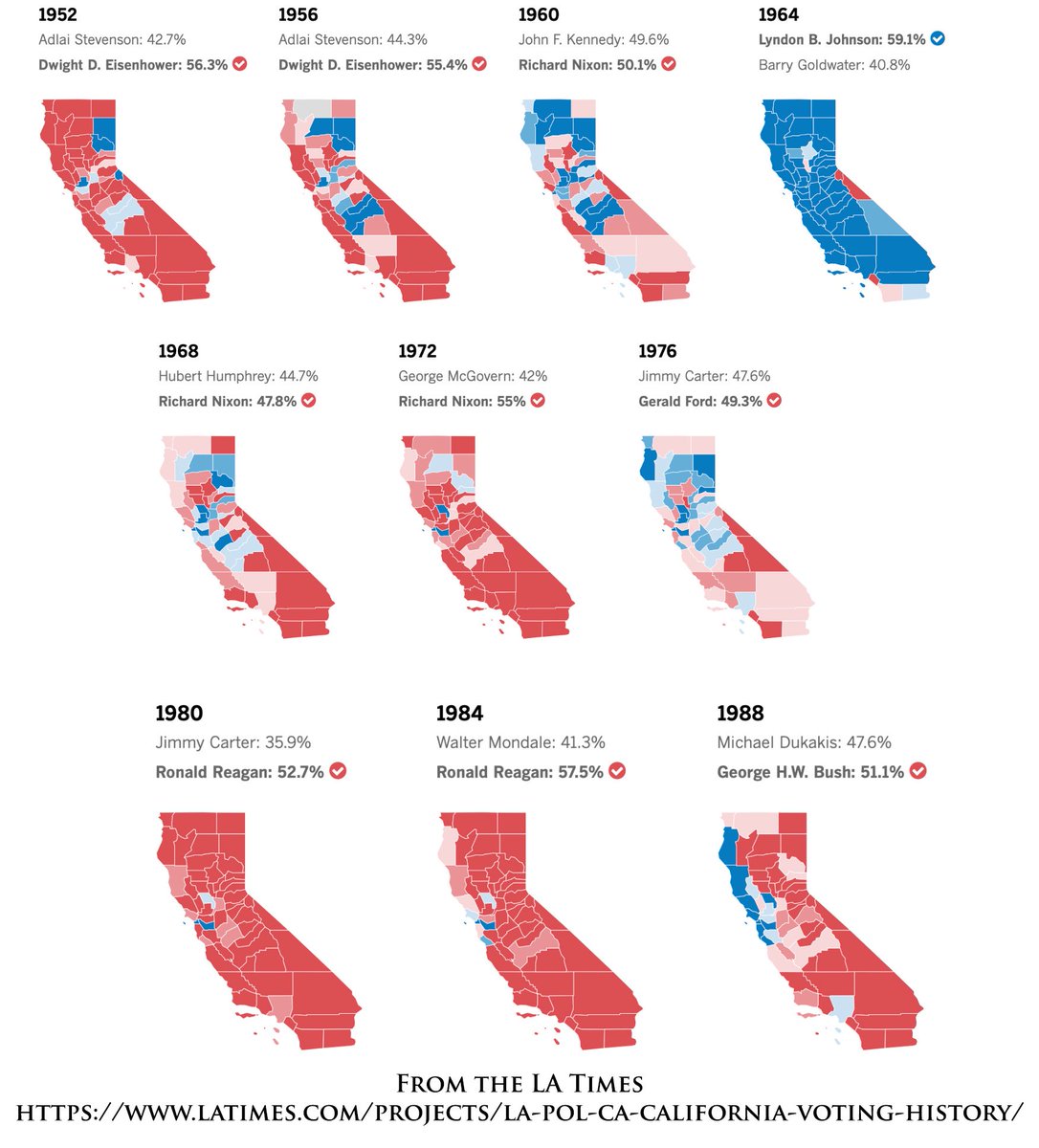
California, a state synonymous with progressive politics and a vibrant, diverse culture, has long been a cornerstone of the Democratic Party’s stronghold. Yet, whispers of a potential political shift, a “red wave” reminiscent of past Republican successes, periodically surface. This inquiry isn’t about predicting election outcomes with certainty, but rather exploring the intricate tapestry of factors that influence California’s political landscape and assessing the conditions under which a significant realignment might occur. It’s a deep dive into the demographic, economic, and social currents that shape the Golden State’s electoral destiny, viewed through the lens of tourism and the unique experiences that draw millions to its shores.

The Shifting Demographics of the Golden State
California’s allure as a tourist destination is intrinsically linked to its demographic dynamism. The state’s burgeoning population, fueled by both international migration and domestic relocation, is a complex mosaic. While historically, certain demographic shifts have favored Democratic candidates, the increasing diversity of the electorate presents both challenges and opportunities for all political parties.
The Influence of Hispanic and Asian American Voters
The growth of the Hispanic and Asian American communities in California has been a defining feature of the state’s modern demographic evolution. These groups, with their diverse political views and evolving priorities, represent a significant and growing voting bloc. Understanding their perspectives on issues ranging from immigration and education to economic opportunity is crucial for any party seeking to gain broader appeal. For instance, in the Inland Empire and parts of Orange County, the increasing influence of these communities has been a key factor in several closely contested races. Tourism plays a subtle but impactful role here; as more people are drawn to experience the diverse cultures of Los Angeles, San Diego, and the Central Valley, their experiences can shape their perceptions and, subsequently, their political leanings. The vibrant culinary scenes and cultural festivals across the state, which are major tourist draws, often reflect and celebrate this very diversity.
The Exodus and Influx of Residents
Over recent years, reports of residents leaving California for more affordable states have been common. This “brain drain” or “exodus” narrative often paints a picture of decline, but it overlooks the continuous influx of new residents drawn by the state’s economic opportunities, particularly in the tech and entertainment industries, and its unparalleled lifestyle offerings. These new arrivals bring with them their own political backgrounds and ideologies, which can dilute or bolster existing partisan trends. The economic engine of California, powered in part by its robust tourism sector, continues to attract talent and investment, creating a complex demographic churn. Cities like San Francisco and San Jose remain magnets for innovation, drawing professionals who may have different political leanings than the state’s established residents. The very act of people choosing California as a place to visit, and potentially to relocate, is an expression of its enduring appeal, a testament to factors that transcend mere political affiliation.
Economic Undercurrents and Political Realignment
California’s economy is a powerhouse, but its unique structure and challenges create a fertile ground for political debate and potential realignment. The state’s high cost of living, particularly in major metropolitan areas, is a perennial concern for residents and a significant factor in how individuals perceive their economic well-being.
The Tech Boom and Its Discontents
The dominance of the technology sector, particularly in Silicon Valley, has been a major driver of California’s economic growth. However, it has also contributed to soaring housing costs and income inequality. While the tech industry often aligns with progressive policies, the rapid gentrification and displacement it causes can foster resentment and a desire for change. Tourists flock to experience the innovation hubs and vibrant urban centers, but the underlying economic realities of these areas can be starkly different from the glossy brochures. The concentration of wealth in places like Palo Alto and Mountain View creates a unique social dynamic that political strategists must navigate. The entrepreneurial spirit that draws many to these areas is a facet of California’s dynamic appeal, yet the economic disparities it can exacerbate are a constant undercurrent in political discourse.
The Agricultural Heartland and its Political Leanings
Beyond the gleaming tech campuses and coastal metropolises lies California’s vast agricultural heartland. This region, stretching across the Central Valley and into the Salinas Valley, has historically been more conservative than the coastal urban centers. The livelihoods of its residents are tied to agriculture, a sector often facing regulatory challenges and labor issues. Tourists visiting Wine Country or exploring national parks in more rural areas will encounter a different facet of California’s identity. The economic concerns of farmers and agricultural workers, while perhaps less visible to the casual tourist, hold significant weight in local and state politics. Cities like Fresno and Bakersfield represent a demographic and economic reality distinct from Los Angeles or San Francisco, and their political leanings reflect these differences.

Cultural Narratives and Shifting Political Identity
California’s cultural identity is multifaceted and constantly evolving, influencing its political trajectory. The state is a global trendsetter, a melting pot of ideas, and a beacon for those seeking new experiences and opportunities.
The Coastal vs. Inland Divide
A persistent theme in California politics is the divide between its coastal, liberal urban centers and its more conservative inland communities. This geographical and cultural chasm influences everything from policy debates on environmental regulations to social issues. Tourists often experience the iconic coastal attractions like the Golden Gate Bridge, Disneyland, and the beaches of Southern California, which tend to embody the state’s progressive image. However, exploring areas like the Mojave Desert or the foothills of the Sierra Nevada reveals a different cultural narrative, one that may resonate more with conservative values. The very act of traveling across California, from the bustling streets of San Diego to the quiet towns of the Eastern Sierra, offers a tangible experience of these differing cultural landscapes.
The Power of Messaging and Media
The way California’s story is told, both within the state and to the outside world, significantly impacts its political narrative. Media outlets, social influencers, and cultural institutions all play a role in shaping perceptions. For those planning a trip to California, the images they encounter – whether of the sunny beaches of Santa Barbara, the grandeur of Yosemite National Park, or the artistic vibrancy of Palm Springs – contribute to a broader understanding of the state. Political campaigns often seek to harness these cultural narratives to mobilize voters. The perception of California as a land of opportunity and innovation, or conversely, as a place grappling with challenges, can sway public opinion. The ongoing discussion about whether California will “turn red” is itself a narrative being shaped and reshaped through media and public discourse.
Factors that Could Catalyze a Red Shift
While California has remained steadfastly Democratic in recent decades, several factors could potentially shift the political landscape. These are not predictions, but rather considerations of the forces that could, under certain circumstances, lead to a resurgence of Republican influence.
Economic Downturns and Public Discontent
Significant economic downturns or prolonged periods of high unemployment could foster widespread public discontent, leading voters to question the efficacy of current leadership. If the state’s vaunted economic prosperity falters, and the cost of living continues to be a major burden, voters may become more open to alternative political ideologies and parties. Tourists, experiencing a less vibrant and prosperous California, might also carry this sentiment back to their home states, subtly influencing national perceptions. Periods of economic hardship can dramatically alter the priorities of residents, making them more receptive to messages that promise fundamental change.
A Unified and Effective Republican Strategy
For the Republican Party to make significant inroads in California, it would require a more unified and strategically effective approach than has been evident in recent cycles. This would involve broadening their appeal beyond their traditional base, addressing the concerns of diverse demographic groups, and presenting a compelling vision for the state’s future. The tourism industry, which thrives on inclusivity and diverse attractions, could serve as an unwitting microcosm of what a successful political strategy might need to emulate: appealing to a wide array of interests and backgrounds. A party that can successfully bridge the cultural and economic divides within California, much like the state’s tourism sector successfully showcases its diverse offerings from the majestic Redwood National and State Parks to the urban energy of Oakland, would be better positioned to gain traction.
Unforeseen National or Global Events
Major national or global events can dramatically reshape political allegiances. A significant shift in the national mood, a foreign policy crisis, or a profound change in the global economic order could all have ripple effects on California’s political landscape. These events, often unforeseen, can suddenly make previously fringe ideas mainstream or cause voters to re-evaluate their long-held political beliefs. The impact of such events on the state’s robust tourism industry could also indirectly influence voter sentiment, as economic stability and perceived safety are crucial for attracting visitors.
In conclusion, while the question of whether California will ever turn red remains speculative, the exploration of its demographic, economic, and cultural currents provides a fascinating glimpse into the forces that shape political destiny. The state’s enduring appeal as a tourist destination, with its diverse attractions and vibrant lifestyle, is a testament to its complex and dynamic nature. Understanding these underlying factors is key to appreciating the intricacies of California’s political landscape, a landscape that, like its iconic scenery, is constantly evolving.
LifeOutOfTheBox is a participant in the Amazon Services LLC Associates Program, an affiliate advertising program designed to provide a means for sites to earn advertising fees by advertising and linking to Amazon.com. Amazon, the Amazon logo, AmazonSupply, and the AmazonSupply logo are trademarks of Amazon.com, Inc. or its affiliates. As an Amazon Associate we earn affiliate commissions from qualifying purchases.