
The question of firearm ownership and possession within the confines of a major metropolitan area like Chicago is a complex one, often subject to intense legal scrutiny and societal debate. For travelers, residents, and anyone planning an extended stay, understanding the intricate landscape of Illinois gun laws, particularly as they apply to the city limits of Chicago, is paramount. This isn’t merely a matter of personal preference; it’s a critical aspect of navigating legal responsibilities and ensuring safety. The city, with its unique history and evolving legislative framework, presents a distinct set of regulations that differ from broader state or national standards.
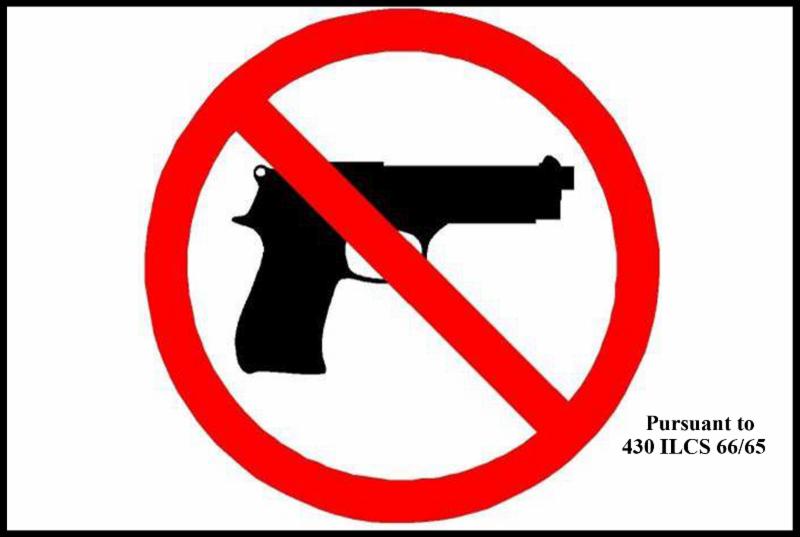
Navigating Chicago’s Firearm Regulations: A Legal Overview
At its core, the legality of possessing a firearm in Chicago is governed by a stringent set of laws that have been shaped by decades of advocacy, litigation, and legislative action. It’s crucial to distinguish between the laws of Illinois as a whole and the specific ordinances enacted by the City of Chicago itself. While Illinois has moved towards more permissive concealed carry laws in recent years, Chicago has historically maintained some of the strictest gun control measures in the nation.
The Foundation: Illinois State Law
The foundation for firearm ownership in Illinois is the Firearm Owners Identification (FOID) card. This card is a prerequisite for any individual seeking to possess or acquire firearms or ammunition within the state. The application process involves a background check conducted by the Illinois State Police. Obtaining a FOID card signifies that an individual has met certain criteria, including not being a convicted felon, not having a history of certain mental health adjudications, and not being subject to a restraining order.
Concealed Carry in Illinois
Following a federal court ruling, Illinois enacted its concealed carry law in 2013, allowing eligible individuals to carry a concealed firearm in public. This requires obtaining a Concealed Carry License (CCL), which involves more rigorous training and background checks than the FOID card alone. However, even with a CCL, there are numerous “prohibited areas” where carrying a firearm is strictly forbidden, and Chicago has its own extensive list of such locations.
Chicago’s Specific Ordinances
The City of Chicago has long been at the forefront of enacting local gun control measures. While some of these measures have been challenged in court and modified over time, the city’s stance has generally been to significantly restrict firearm possession within its borders.
Handgun Ban and Registration
Historically, Chicago had a near-total ban on the possession of handguns. This ban was overturned by the Supreme Court in the landmark McDonald v. City of Chicago decision in 2010, which affirmed an individual’s right to keep and bear arms for self-defense, applicable to the states through the Fourteenth Amendment. However, the ruling did not invalidate all of Chicago’s gun laws. Following this decision, Chicago implemented a handgun registration ordinance, requiring all legally owned handguns within the city to be registered with the Chicago Police Department. This ordinance is still in effect and is a critical requirement for any handgun owner residing in or bringing a handgun into the city.
Assault Weapons Ban
Chicago also has an ordinance that bans the sale and possession of certain “assault weapons,” which are typically defined by specific cosmetic and functional features. This ban extends to high-capacity magazines. The definition of what constitutes an assault weapon can be complex and has been subject to interpretation and legal challenges. For individuals planning to visit or reside in Chicago with such firearms, understanding these specific classifications is vital.
Safe Storage Requirements

In addition to regulations on possession, Chicago places a strong emphasis on safe storage of firearms. The city has ordinances that mandate how firearms must be stored when not in use, typically requiring them to be unloaded and secured in a locked container or equipped with a trigger lock to prevent unauthorized access, especially by children. These provisions are designed to prevent accidental shootings and reduce the risk of firearms falling into the wrong hands.
Practical Implications for Visitors and Residents
Understanding the legal framework is one aspect; navigating the practical realities of firearm ownership or transportation in Chicago is another. The consequences of violating Chicago’s gun laws can be severe, including significant fines, seizure of firearms, and criminal charges.
Bringing Firearms into Chicago
For those who legally own firearms in other states and plan to travel to Chicago, the legalities are particularly complex. Federal law, specifically the Firearm Owners’ Protection Act (FOPA), offers some protection for interstate transport of firearms. However, this protection is not absolute and is subject to state and local laws. Generally, FOPA allows for the transport of unloaded firearms in a locked, separate container, inaccessible to the vehicle’s passengers, and with ammunition stored separately, provided that the travel is continuous and the firearm is legal in both the departure and destination states.
However, given Chicago‘s stringent local ordinances, travelers must exercise extreme caution. It is advisable to research current regulations thoroughly or, in many cases, to avoid bringing firearms into the city altogether if not absolutely necessary and if full legal compliance cannot be guaranteed. The presence of prohibited weapons or failure to comply with registration and storage requirements can lead to immediate legal trouble upon arrival.
Legal Possession Within the City
For residents of Chicago, lawful firearm ownership hinges on several key components:
- Valid FOID Card: This is the absolute baseline for possessing any firearm or ammunition in Illinois.
- Valid CCL (for concealed carry): If intending to carry a concealed firearm outside of one’s home or fixed place of business, a CCL is mandatory.
- Handgun Registration: All handguns legally owned within Chicago must be registered with the Chicago Police Department.
- Compliance with Storage Laws: Firearms must be stored safely and securely, in accordance with city ordinances.
- Adherence to Prohibited Locations: Carrying firearms in designated prohibited areas, such as schools, courthouses, or public transportation, is strictly illegal.
The Broader Context: Safety, Rights, and Policy
The ongoing debate surrounding gun control in Chicago is deeply intertwined with the city’s persistent challenges with gun violence. Proponents of strict gun laws argue that such measures are essential to reducing crime and enhancing public safety. They point to the city’s high rates of gun-related homicides as evidence that more needs to be done to limit access to firearms.
Conversely, gun rights advocates emphasize the constitutional right to bear arms and argue that stringent laws disproportionately affect law-abiding citizens while doing little to deter criminals who obtain firearms through illegal channels. They often advocate for enforcement of existing laws and focus on addressing the root causes of crime rather than restricting legal firearm ownership.
This duality of perspectives creates a dynamic and often contentious policy environment. For anyone interacting with Chicago, whether as a temporary visitor or a long-term resident, staying informed about the latest legal developments is not just a matter of convenience but a necessity for lawful conduct. The city’s approach to firearm regulation is a continuous evolution, reflecting societal concerns and legal interpretations.
Staying Informed
The legal landscape surrounding firearms is subject to change. Court rulings, legislative amendments, and departmental policy shifts can all impact the legality of firearm possession and carry. Therefore, it is highly recommended that individuals seeking to own, possess, or transport firearms in Chicago consult official sources, such as the Illinois State Police, the Chicago Police Department, and legal counsel specializing in firearm law. Websites for these organizations often provide updated information on laws, regulations, and application processes. Staying current is the most effective way to ensure compliance and avoid unintended legal entanglements.
In conclusion, the question of whether one can have a gun in Chicago is met with a nuanced answer. While the outright ban of the past has been modified, the city maintains some of the most restrictive gun laws in the nation. Legal possession is possible, but it requires strict adherence to a complex web of state and local regulations, including licensing, registration, and safe storage. For visitors, the complexities often lead to the prudent decision of refraining from bringing firearms into the city.
LifeOutOfTheBox is a participant in the Amazon Services LLC Associates Program, an affiliate advertising program designed to provide a means for sites to earn advertising fees by advertising and linking to Amazon.com. Amazon, the Amazon logo, AmazonSupply, and the AmazonSupply logo are trademarks of Amazon.com, Inc. or its affiliates. As an Amazon Associate we earn affiliate commissions from qualifying purchases.