
In the dynamic landscape of urban living, particularly in bustling metropolises like Chicago, understanding the intricacies of apartment leases is paramount for both renters and property managers. Among the myriad of clauses and considerations, the disclosure of utility responsibilities, specifically concerning electricity, has emerged as a topic of increasing importance. As the cost of living continues to be a significant factor in housing decisions, transparency around what is included or expected from a tenant regarding electricity usage can greatly influence the affordability and predictability of renting an apartment. This article delves into the specifics of whether Chicago mandates electric disclosure within apartment lease agreements, exploring the legal framework, practical implications, and best practices for residents and landlords alike.
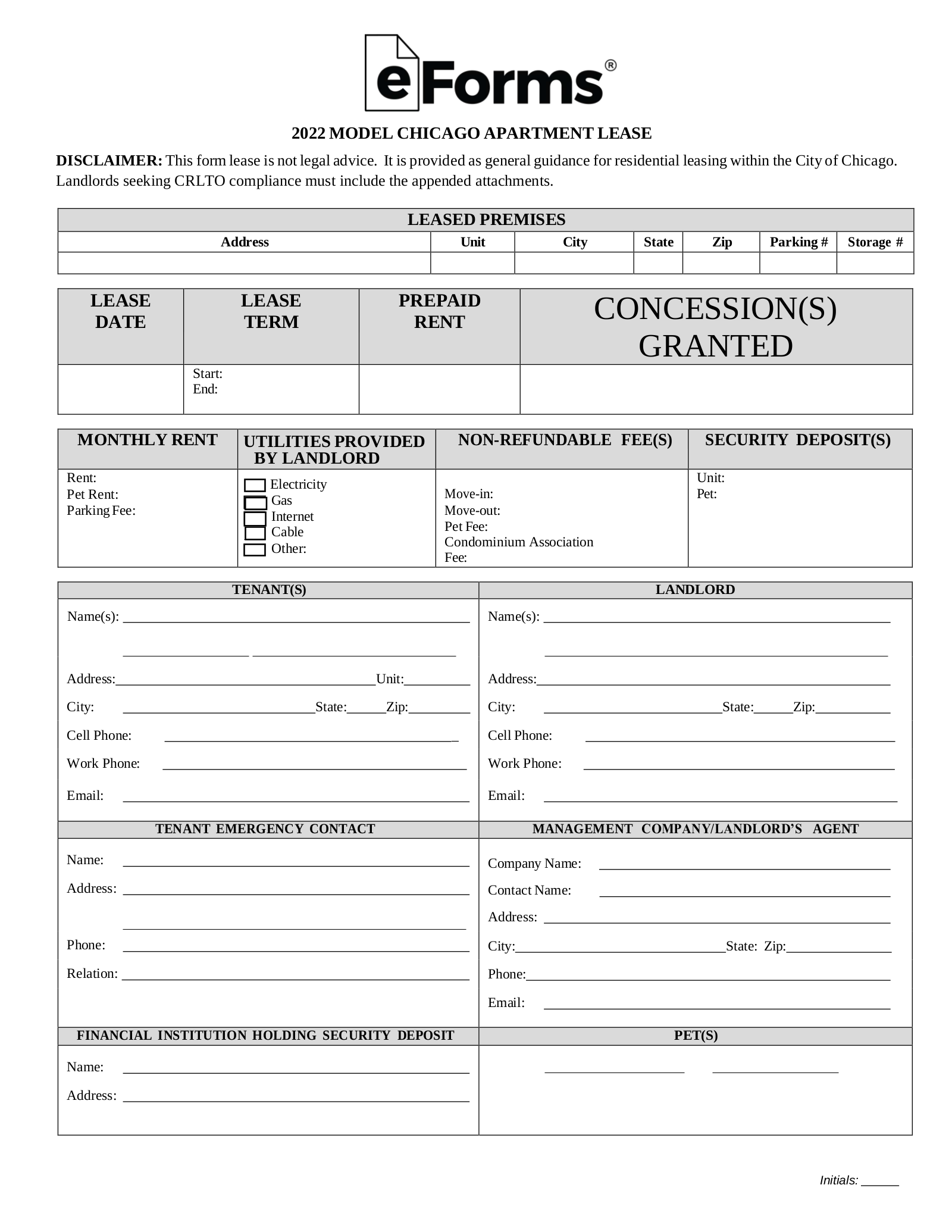
Understanding Utility Responsibility in Chicago Apartment Leases
The question of who pays for electricity in a rented apartment is typically addressed within the lease agreement. However, the specific legal requirements for disclosing these details can vary by jurisdiction. In Chicago, like many other major cities, the principle of freedom of contract generally allows landlords and tenants to negotiate the terms of their lease, including utility responsibilities. This means that unless a specific ordinance or state law dictates otherwise, the lease document itself is the primary source of information regarding electric disclosure.
The Role of the Lease Agreement
The lease agreement serves as a legally binding contract outlining the rights and responsibilities of both the landlord and the tenant. When it comes to utilities, several scenarios can occur:
- Landlord Pays All Utilities: In some cases, typically in all-inclusive rent structures, the landlord may cover the cost of electricity, along with other utilities like heat, water, and gas. This is often seen in older buildings or in apartments where landlords have central metering systems.
- Tenant Pays All Utilities: More commonly, tenants are responsible for setting up and paying for their own electricity accounts. This is especially prevalent in modern apartment complexes and individual units with sub-metering.
- Shared Utilities: Occasionally, a lease might stipulate a shared responsibility, where a portion of the electricity cost is covered by the landlord (e.g., for common areas) and the remainder by the tenant for their individual unit.
The critical aspect for electric disclosure is how clearly and explicitly these arrangements are detailed in the lease. A well-drafted lease will clearly state whether electricity is included in the rent or if the tenant is solely responsible for its payment.
Legal Frameworks and Disclosure Requirements
While Chicago does not have a blanket ordinance mandating specific wording for electric disclosure on every apartment lease, landlords are generally expected to be transparent about all costs associated with occupying the rental unit. The Illinois Residential Tenancies Act provides a foundational legal framework for landlord-tenant relationships in the state. This act emphasizes fairness and prohibits deceptive practices.
Crucially, landlords are obligated to provide tenants with access to essential services, including electricity. If the landlord is responsible for providing electricity, this must be clearly communicated. If the tenant is expected to establish their own account with an electricity provider, this expectation should be unambiguously stated in the lease. Failure to disclose such material terms could potentially be interpreted as a deceptive practice, especially if it leads to unexpected financial burdens for the tenant.
Furthermore, the Illinois Attorney General’s Office and the City of Chicago Department of Business Affairs and Consumer Protection offer resources and enforce consumer protection laws that aim to prevent unfair or misleading rental agreements. While these bodies might not enforce a specific “electric disclosure” mandate, they would likely act against a landlord who intentionally omits crucial utility cost information to mislead a prospective tenant.
Practical Implications for Renters
For individuals seeking to rent an apartment in Chicago, understanding utility costs is a vital part of budgeting.
Estimating Electricity Costs
When a lease agreement indicates that the tenant is responsible for electricity, it is crucial for prospective renters to obtain an estimate of potential monthly costs. This can often be achieved by:
- Asking the Landlord or Property Manager: Inquire about average monthly electricity bills for similar units in the building. While these are estimates, they can provide a helpful benchmark.
- Contacting the Utility Provider: If the building is served by a specific electricity provider, such as ComEd (Commonwealth Edison), it may be possible to get historical usage data for the specific unit, although this is not always readily available to prospective tenants without an existing account.
- Researching Building-Wide Energy Efficiency: Newer buildings or those with energy-efficient appliances and insulation might have lower electricity consumption compared to older properties.
Reviewing the Lease Carefully
Before signing any lease, tenants should meticulously review all sections pertaining to utilities. Key phrases to look for include:
- “Tenant shall be responsible for establishing and paying for all electricity usage in the Premises.”
- “Electricity costs are included in the monthly rent.”
- “Landlord is responsible for electricity for common areas only.”
Any ambiguity or omission in these sections should be addressed with the landlord or property manager before signing. It is advisable to have any verbal agreements or clarifications regarding utility responsibilities put in writing and added as an addendum to the lease.
Landlord Responsibilities and Best Practices
For landlords and property managers in Chicago, clear and upfront disclosure of utility responsibilities is not just a legal recommendation but also a cornerstone of good business practice.
Transparency Builds Trust
In a competitive rental market, landlords who are transparent about all associated costs, including electricity, tend to attract more reliable tenants and foster better landlord-tenant relationships. This transparency can reduce disputes and ensure that tenants are fully aware of their financial obligations from the outset.
Essential Lease Provisions
A robust lease agreement should clearly delineate:
- Which utilities are included in the rent.
- Which utilities are the tenant’s sole responsibility.
- If the landlord provides any utilities (e.g., heat), what is the source and who pays the provider.
- If there are sub-meters, how they function and how tenants can monitor their usage.
- The process for setting up tenant-paid utilities, including contact information for the relevant utility providers.

Compliance and Avoiding Disputes
While Chicago may not have a single, overarching “electric disclosure” law for all leases, landlords must comply with general consumer protection statutes and the Illinois Residential Tenancies Act. Best practices include:
- Providing a copy of the lease to the tenant well in advance of the signing date.
- Explaining all clauses, particularly those related to utilities, to the tenant.
- Ensuring that the lease is written in clear, understandable language.
- Documenting all communication and agreements regarding utility responsibilities.
By adhering to these practices, landlords can minimize the risk of legal challenges and cultivate a positive rental experience for their tenants.
The Impact of Sub-metering on Electric Disclosure
In many modern apartment buildings in Chicago, sub-metering has become a common practice. Sub-metering involves installing individual meters for each apartment unit, allowing tenants to be billed directly by the electricity provider based on their actual consumption. This system directly impacts how electric disclosure is handled in lease agreements.
How Sub-metering Works
Under a sub-metering arrangement, the landlord typically contracts with a utility provider, such as ComEd, to supply electricity to the entire building. Individual units are then equipped with their own meters that measure the electricity consumed within that specific apartment. Tenants are then responsible for paying the utility provider directly for the electricity recorded by their sub-meter.
Disclosure Requirements with Sub-metering
When sub-metering is in place, the lease agreement must explicitly state that the tenant is responsible for their individual electricity usage as measured by the sub-meter. The lease should also provide information on:
- The name of the electricity provider responsible for billing.
- The process for tenants to establish an account with the provider.
- Any fees or charges associated with the sub-metering system itself, if applicable.
It is also considered good practice for landlords to inform tenants about the estimated average monthly electricity costs for units of similar size and occupancy, allowing tenants to better budget their expenses.
Tenant Rights and Monitoring Usage
With sub-metering, tenants have the right to monitor their own electricity consumption. This allows for greater control over expenses and encourages energy conservation. Tenants should be provided with clear instructions on how to read their sub-meter and how to access their billing statements from the utility provider.
Navigating Electric Disclosure in Different Apartment Types
The requirements and common practices for electric disclosure can vary depending on the type of apartment being rented in Chicago.
High-Rise Apartments and Modern Complexes
In newer, purpose-built apartment buildings and high-rise complexes, individual metering is standard. This means that most leases will stipulate that tenants are responsible for their own electricity costs, either through direct billing from the utility provider or via sub-metering. Disclosure is usually straightforward, with a clear clause indicating tenant responsibility for electricity.
Older Buildings and Vintage Apartments
Older buildings, particularly those converted from single-family homes or smaller multi-unit structures, may have different arrangements. In some cases, the landlord might still cover electricity as part of an all-inclusive rent. However, with the rising cost of utilities, it’s becoming more common even in older buildings for individual units to have separate meters or for tenants to be responsible for their own electricity. Disclosure in these cases is critical to avoid misunderstandings, especially if the building’s utility infrastructure is not as straightforward as in modern constructions.
Single-Room Occupancy (SRO) and Shared Housing
For Chicago apartments that fall under single-room occupancy or are rented as shared housing, the electric disclosure can become more complex. Leases for these types of arrangements must clearly outline how electricity costs are divided among occupants. This could involve a fixed amount added to rent, a pro-rata share of the total bill, or individual metering if feasible. Transparency is paramount to prevent disputes among roommates or between the landlord and tenants.
Key Takeaways for Renters and Landlords
In summary, while Chicago does not enforce a singular, prescriptive ordinance mandating electric disclosure on all apartment leases, the principles of transparency and fair dealing are legally and practically essential.
For Prospective Tenants:
- Read the Lease Thoroughly: Pay close attention to the section on utilities.
- Ask Questions: Clarify any doubts about electricity responsibility before signing.
- Budget Accordingly: Estimate potential electricity costs if you are responsible for them.
- Seek Written Confirmation: Ensure any verbal agreements about utilities are in writing.

For Landlords and Property Managers:
- Draft Clear Leases: Explicitly state who is responsible for electricity costs.
- Be Transparent: Disclose all potential utility expenses upfront.
- Provide Accurate Information: Offer estimates of utility costs where possible.
- Comply with Regulations: Adhere to all state and local consumer protection laws.
By prioritizing clear communication and detailed lease agreements, both tenants and landlords in Chicago can navigate the complexities of apartment rentals with greater confidence and avoid potential financial and legal pitfalls. The presence or absence of a specific “electric disclosure” requirement is less important than the overarching need for clarity and honesty in rental agreements, ensuring that every resident understands their full financial commitment when renting an apartment in this vibrant city.
LifeOutOfTheBox is a participant in the Amazon Services LLC Associates Program, an affiliate advertising program designed to provide a means for sites to earn advertising fees by advertising and linking to Amazon.com. Amazon, the Amazon logo, AmazonSupply, and the AmazonSupply logo are trademarks of Amazon.com, Inc. or its affiliates. As an Amazon Associate we earn affiliate commissions from qualifying purchases.