
For many, the allure of Chicago lies in its stunning Lake Michigan skyline, vibrant arts scene, world-class museums, and undeniably delicious deep-dish pizza. This Illinois metropolis, often dubbed the “Windy City,” offers a dynamic urban experience that attracts millions of visitors and new residents alike. However, as with any major metropolitan area, understanding the cost of living is paramount for anyone considering a move or an extended stay. This guide delves into the various facets of expenses one can expect when calling Chicago home, focusing on the practical considerations for navigating its diverse neighborhoods and amenities.
Housing Costs: The Biggest Factor
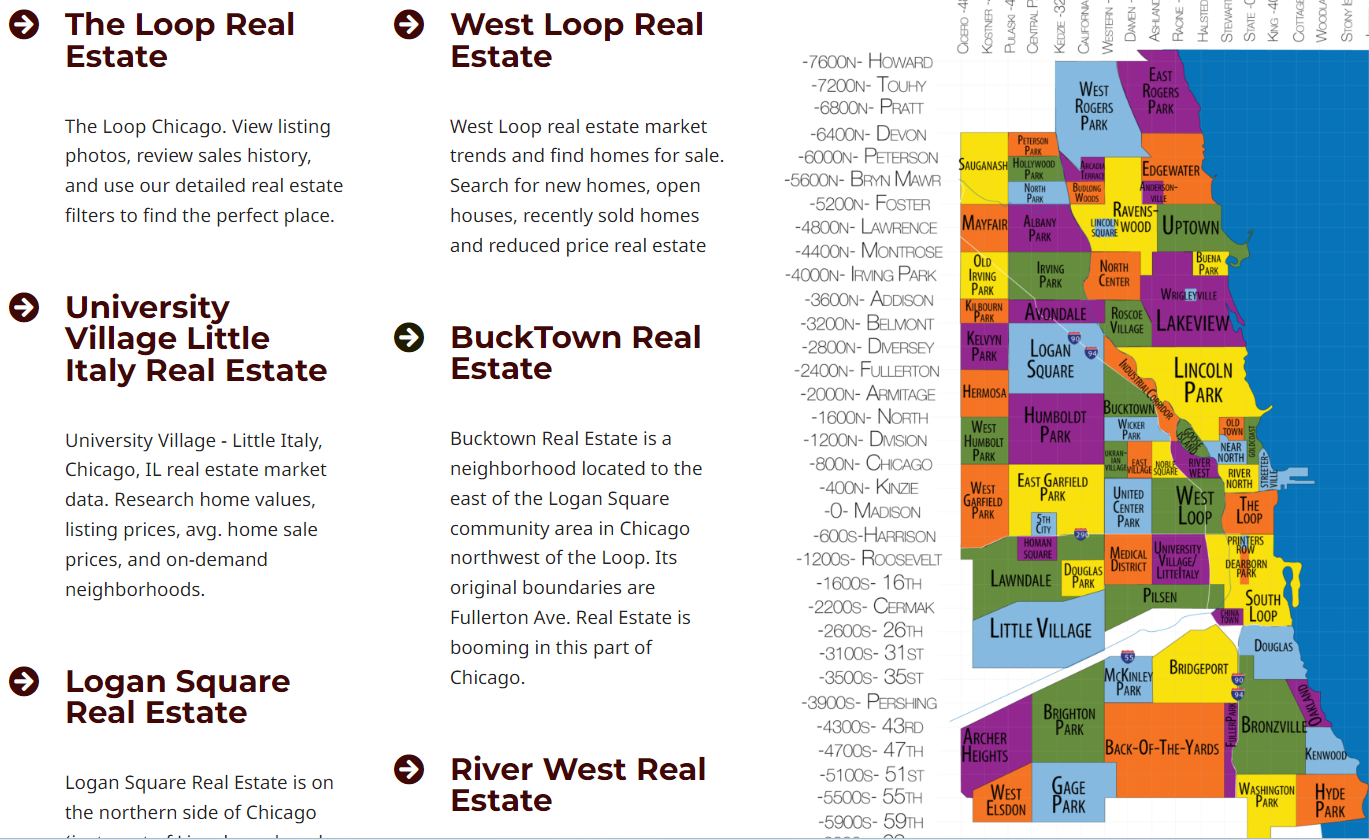
The most significant determinant of cost of living in Chicago is undoubtedly housing. The city boasts a wide range of residential options, from historic brownstones in neighborhoods like Lincoln Park to sleek high-rises in the Loop. This diversity directly impacts rental and purchase prices.
Rental Market Dynamics
Renting an apartment is the most common choice for many newcomers and those seeking flexibility. The average rent in Chicago fluctuates significantly based on location, size, and amenities.
- Downtown & Near North Side: Areas like the Gold Coast, River North, and the Loop are the most expensive. A one-bedroom apartment in these prime locations can range from $1,800 to $2,800+ per month, while two-bedroom units can easily exceed $3,000. These areas offer unparalleled access to entertainment, dining, and business districts, justifying their premium pricing.
- Mid-Tier Neighborhoods: Neighborhoods such as Lincoln Park, Lakeview, Wicker Park, and Old Town offer a slightly more moderate cost of living while still providing excellent access to city amenities and a vibrant community feel. Expect to pay between $1,400 to $2,200 for a one-bedroom apartment in these desirable locales.
- Outer Neighborhoods & Suburbs: For more budget-conscious individuals, exploring neighborhoods further from the downtown core, such as Logan Square, Humboldt Park, or even the far North or South Sides, can yield more affordable options. One-bedroom rents here can range from $1,000 to $1,500. Commuting times and access to public transportation will be key considerations.
Utilities (electricity, gas, water, internet) are an additional monthly expense, typically adding another $150 to $300, depending on usage and apartment size.
Homeownership Costs
For those considering purchasing property, Chicago offers a range of housing types, from condominiums to single-family homes.
- Condominiums: The average price of a condominium in Chicago hovers around $300,000 to $500,000, with prices escalating dramatically in popular downtown and lakefront areas. Condo fees, which cover building maintenance, amenities, and sometimes utilities, are an ongoing expense that can range from $200 to $800+ per month.
- Single-Family Homes: Single-family homes are less common in the dense urban core and are primarily found in the city’s outer neighborhoods or the surrounding suburbs. Prices for these can vary widely, from $400,000 for a fixer-upper in a less-developed area to well over $1 million for a larger, updated property in an affluent neighborhood.
- Property Taxes: Property taxes are a significant consideration for homeowners in Illinois, and Chicago is no exception. Tax rates can be substantial, adding a considerable annual cost to homeownership, often calculated as a percentage of the property’s assessed value.
Daily Living Expenses: Beyond Housing
While housing consumes the largest portion of a budget, other daily expenses contribute significantly to the overall cost of living in Chicago.
Groceries and Dining Out
The cost of groceries in Chicago is generally in line with national averages for a major city, though prices can vary by supermarket chain and neighborhood. Expect to spend approximately $300 to $500 per month for a single person or couple, depending on dietary habits and brand preferences.
Chicago is a culinary powerhouse, offering everything from Michelin-starred restaurants to iconic street food. Dining out can quickly become an expensive habit.
- Casual Dining: A meal at a mid-range restaurant can cost $20 to $40 per person.
- Fine Dining: A tasting menu at a high-end restaurant, such as Alinea or Oriole, can easily run $200 to $400+ per person, before drinks and gratuity.
- Fast Food & Takeout: More budget-friendly options like fast-casual eateries and pizza joints (including the famous deep-dish from places like Lou Malnati’s or Giordano’s) are plentiful and can help manage food costs.

Transportation
Chicago boasts one of the most extensive public transportation systems in the United States, operated by the Chicago Transit Authority (CTA). This makes owning a car a less essential, and often more expensive, proposition.
- CTA (The ‘L’ and Buses): A single ride on the ‘L’ train or bus costs $2.50. A 30-day unlimited pass is $105, offering significant savings for daily commuters. For many residents, this is the most economical way to navigate the city.
- Car Ownership: If you choose to own a car, factor in costs for insurance (which can be high in urban areas), gas, parking (which can be extremely expensive, especially downtown), maintenance, and potential Chicago city sticker registration fees. Monthly expenses for car ownership can easily exceed $400-$600, not including loan payments.
- Ride-Sharing & Taxis: Services like Uber and Lyft are readily available, providing convenience but adding up quickly for frequent use.
Utilities and Services
Beyond basic housing utilities, consider other essential services:
- Internet: High-speed internet plans typically cost between $60 and $100 per month.
- Mobile Phone: Monthly phone bills vary based on plan and provider, but generally range from $50 to $100.
- Healthcare: Healthcare costs are highly variable and depend on insurance coverage, deductibles, and co-pays. Chicago has numerous hospitals and medical facilities, including prominent institutions like Northwestern Memorial Hospital and University of Chicago Medicine.
Entertainment, Recreation, and Culture
The vibrancy of Chicago is a major draw, and engaging with its cultural offerings contributes to the overall cost of living.
Attractions and Activities
Chicago offers a wealth of attractions:
- Museums: Entry fees for world-renowned institutions like the Art Institute of Chicago, the Field Museum, and the Museum of Science and Industry can range from $20 to $35 per adult. However, many offer free days or discounted admission for residents.
- Performing Arts: Tickets for shows at the Chicago Symphony Orchestra, the Broadway in Chicago series, or smaller theater productions can range from $50 to $200+.
- Sports: Catching a Chicago Cubs baseball game at Wrigley Field, a Chicago Bears football game at Soldier Field, or a Chicago Bulls basketball game at the United Center can be an enjoyable, albeit sometimes costly, experience, with ticket prices varying significantly.
- Parks and Outdoors: Enjoying Millennium Park with “The Bean” (Cloud Gate), walking along the lakefront trail, or exploring neighborhood parks are free activities that add immense value to life in the city.
Nightlife and Socializing
Chicago has a lively nightlife scene, from rooftop bars with stunning city views to intimate jazz clubs and bustling pubs. Costs for drinks can range from $8 to $15 for a cocktail, and cover charges at some venues can add up.
Budgeting for Chicago Living
To provide a general idea, a single individual living a comfortable but not extravagant lifestyle in Chicago might expect monthly expenses in the following range:
- Rent: $1,500 – $2,500
- Utilities & Internet: $200 – $350
- Groceries: $300 – $500
- Transportation (CTA Pass): $105
- Dining Out & Entertainment: $300 – $600
- Miscellaneous (clothing, personal care, etc.): $200 – $400
This totals approximately $2,605 to $4,455 per month. These figures are estimates and can be significantly higher or lower depending on individual spending habits, neighborhood choice, and whether one opts for more budget-friendly options or indulges in the city’s more luxurious offerings.
Ultimately, Chicago offers a dynamic and rewarding urban experience for a wide range of budgets. By understanding the key cost drivers and strategically planning one’s finances, the “Second City” can be an accessible and enriching place to call home.
LifeOutOfTheBox is a participant in the Amazon Services LLC Associates Program, an affiliate advertising program designed to provide a means for sites to earn advertising fees by advertising and linking to Amazon.com. Amazon, the Amazon logo, AmazonSupply, and the AmazonSupply logo are trademarks of Amazon.com, Inc. or its affiliates. As an Amazon Associate we earn affiliate commissions from qualifying purchases.