
The question of distance between two significant locales in Illinois – Bloomington and Chicago – is more than a simple numerical query. It encapsulates the planning and anticipation for countless journeys, whether for leisure, business, or visiting loved ones. Understanding this geographical relationship is the first step in crafting a successful itinerary, allowing travelers to efficiently choose their mode of transport, estimate travel times, and prepare for the experience of transitioning from the more relaxed pace of Central Illinois to the vibrant energy of the nation’s third-largest city. This exploration delves into the various facets of this connection, from the practicalities of the drive to the broader implications for tourism and regional connectivity.
The Direct Distance and Travel Time
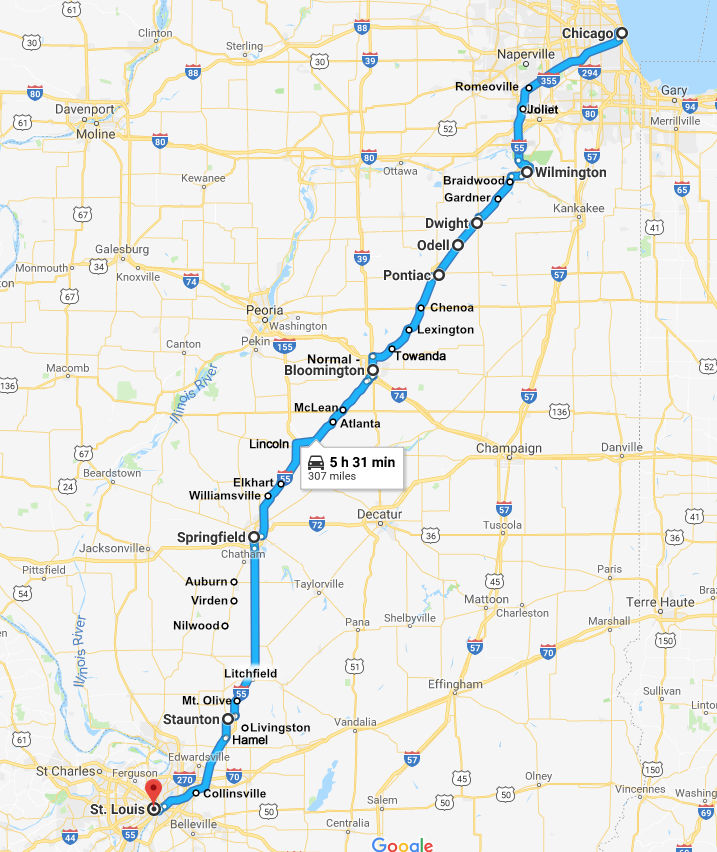
The most straightforward answer to “How far is Bloomington, IL from Chicago, IL?” involves understanding the approximate mileage and the time it takes to cover it by car. The direct driving distance between the two cities typically hovers around 130 to 140 miles, depending on the specific routes taken and the starting and ending points within each metropolitan area. This distance translates into an average driving time of approximately 2 hours and 30 minutes to 3 hours.
Navigating the Route
The primary artery connecting Bloomington and Chicago is Interstate 55 (I-55), often referred to as the Stevenson Expressway as it enters the Chicagoland area. This major highway offers a relatively direct path, though it is also one of the busiest.
- The I-55 Corridor: This route is the most common and generally the most efficient for direct travel. Departing from Bloomington, travelers will head northeast on I-55, passing through smaller towns and agricultural landscapes before entering the more populated suburbs of Chicagoland. The journey involves a steady northward trajectory, culminating in the approach to the heart of Chicago.
- Factors Affecting Travel Time: While the average time is cited, several variables can significantly alter the duration of this journey.
- Traffic Congestion: Chicago is notorious for its traffic, especially during peak commuting hours (typically 6-9 AM and 3-6 PM on weekdays). Travel on I-55 into the city during these times can add substantial delays, sometimes doubling the travel time. Weekend traffic, particularly on Friday afternoons and Sunday evenings, can also be heavy as people travel in and out of the city.
- Road Construction: Like most major thoroughfares, I-55 is subject to ongoing maintenance and construction projects, especially during warmer months. Detours and lane closures can cause significant backups. It is always advisable to check real-time traffic conditions before departure.
- Weather Conditions: Severe weather, such as snowstorms in the winter or heavy rain and thunderstorms in other seasons, can drastically slow down traffic and make driving hazardous. Reduced visibility and slippery road surfaces necessitate slower speeds.
- Stops: The 130-mile journey may necessitate a stop for fuel, rest, or refreshments. Popular stopping points along I-55 include towns like Pontiac and Joliet, which offer a range of amenities.
Alternative Modes of Transportation
While driving is the most prevalent method of travel between Bloomington and Chicago, other options exist, catering to different preferences and needs. These alternatives offer unique perspectives on the journey and can sometimes provide a more relaxed or cost-effective experience.
Amtrak Rail Service
For those who prefer to avoid the stress of driving and parking in Chicago, Amtrak offers a convenient and scenic rail option. The Lincoln Service route connects Bloomington-Normal with Chicago Union Station.
- Stations: The Amtrak station in Bloomington is conveniently located at Bloomington-Normal Station. Travelers arrive at the bustling Chicago Union Station, a grand Beaux-Arts building that serves as a major transportation hub.
- Travel Time: Train journeys typically take around 2 hours and 15 minutes to 2 hours and 30 minutes. This can be comparable to or even faster than driving, especially when factoring in potential traffic delays and the time spent finding parking in Chicago.
- Advantages: Amtrak offers a comfortable experience with amenities such as spacious seating, Wi-Fi, and the ability to move around the train. It’s an excellent option for business travelers who can work en route or for tourists who want to enjoy the scenery without the burden of driving. Arriving directly at Union Station places travelers in the heart of downtown Chicago, with easy access to public transportation and many attractions.
Intercity Bus Services
Several intercity bus companies also provide service between Bloomington and Chicago. These services often present a more budget-friendly alternative to driving or taking the train.
- Providers: Companies like Greyhound and sometimes local charter services operate routes.
- Travel Time and Stations: Bus travel times can vary, generally ranging from 2 hours 45 minutes to 3 hours 30 minutes, depending on the number of stops and traffic. Buses typically depart from a central location in Bloomington and arrive at various bus terminals in Chicago, often near Union Station or at the Ogilvie Transportation Center.
- Considerations: While cost-effective, bus travel may involve more frequent stops and less legroom compared to train travel. It is a practical choice for budget-conscious travelers who do not mind a slightly longer journey.
Implications for Travel and Tourism

The proximity of Bloomington to Chicago has significant implications for both residents and visitors, fostering a dynamic relationship between these two distinct regions of Illinois.
Day Trips and Weekend Getaways
The manageable distance makes Chicago an accessible destination for day trips or weekend getaways from Bloomington. This allows residents of the Bloomington-Normal area to easily experience the cultural offerings, dining, and entertainment that a major metropolis provides. Whether it’s a concert at a venue like the United Center, a visit to world-class museums such as the Art Institute of Chicago, or simply exploring iconic landmarks like Millennium Park and Navy Pier, the journey is short enough to facilitate spontaneous excursions.
Business and Professional Ties
The connection also facilitates professional and business interactions. Many companies in Bloomington, particularly those in the insurance and education sectors (such as State Farm Insurance and Illinois State University), have operations or clients in Chicago. This proximity allows for regular business meetings, conferences, and site visits without requiring extensive travel or overnight stays. The availability of multiple transportation options ensures that business professionals can choose the most efficient and comfortable way to travel between the two cities.
Educational Opportunities
For students and faculty at institutions like Illinois State University and Illinois Wesleyan University in Bloomington, access to the vast educational and cultural resources of Chicago is a significant advantage. Opportunities to attend lectures, workshops, or explore specialized research facilities in Chicago are more readily available due to the relatively short travel time. This educational synergy enriches the academic landscape of the region.
The Bloomington-Chicago Corridor
Collectively, the ease of travel between Bloomington and Chicago contributes to the economic and cultural vitality of a broader corridor within Illinois. It connects a significant population center with a major global city, fostering a flow of people, ideas, and commerce that benefits both areas. This interconnectedness makes Illinois a more dynamic and accessible state for residents and visitors alike.
Planning Your Trip
When planning a journey from Bloomington, IL to Chicago, IL, considering the distance is only the first step. A thorough plan involves selecting the right mode of transport, accounting for potential delays, and preparing for the destination.
Choosing Your Transportation
- For Convenience and Flexibility: Driving is ideal if you need maximum flexibility for stops or intend to explore areas outside of Chicago’s immediate downtown. Ensure your vehicle is in good condition and consider the cost of gas and potential Chicago parking, which can be substantial.
- For Relaxation and Efficiency: Amtrak offers a comfortable and often time-efficient option, especially if your destination in Chicago is near Union Station. Booking tickets in advance can often secure better fares.
- For Budget Travelers: Bus services provide a cost-effective way to reach Chicago. While the journey may be longer, it’s a practical choice for those prioritizing savings.
Pre-Trip Preparations
Regardless of your chosen method, a few preparations can ensure a smoother trip:
- Check Traffic and Schedules: Before departing, consult real-time traffic apps (like Google Maps or Waze) if driving, or check Amtrak or bus company websites for the latest schedules and any service alerts.
- Pack Accordingly: Consider the weather in Chicago, which can differ from Bloomington. Pack essentials, including chargers, snacks, and entertainment for the journey.
- Book Accommodation in Advance: If staying overnight in Chicago, booking hotels or other accommodations well in advance is highly recommended, especially during peak tourist seasons or major events, to secure the best rates and availability at establishments like the Palmer House a Hilton Hotel or the Thompson Chicago.
- Familiarize Yourself with Chicago Transit: If relying on public transport within Chicago, familiarize yourself with the CTA (Chicago Transit Authority) system, including the ‘L’ train and bus routes.
By understanding the distance and the various travel options, planning a trip between Bloomington, IL and Chicago, IL becomes a straightforward process, opening up a world of possibilities for exploration, business, and connection within the state of Illinois.
LifeOutOfTheBox is a participant in the Amazon Services LLC Associates Program, an affiliate advertising program designed to provide a means for sites to earn advertising fees by advertising and linking to Amazon.com. Amazon, the Amazon logo, AmazonSupply, and the AmazonSupply logo are trademarks of Amazon.com, Inc. or its affiliates. As an Amazon Associate we earn affiliate commissions from qualifying purchases.