
Embarking on a journey from Chicago, Illinois, to the vast expanse of Canada offers a spectrum of travel possibilities, each influenced by the chosen mode of transport and the specific Canadian destination. This exploration delves into the distances and travel times, providing a comprehensive overview for prospective travelers aiming to bridge the gap between the American Midwest and the Great White North. Whether by air, road, or even rail, understanding these parameters is crucial for efficient and enjoyable trip planning.
Navigating the Air: Direct Flights and Distances
For many, the most efficient way to traverse the distance between Chicago and Canada is through air travel. The proximity of several major Canadian cities to the Windy City makes direct flights a popular and practical option. The key determinant of travel time and distance will be your specific Canadian endpoint.

Major Canadian Gateways from Chicago
Toronto, Ontario: As Canada’s most populous city and a major international hub, Toronto Pearson International Airport (YYZ) is a primary destination for flights from Chicago. The aerial distance between O’Hare International Airport (ORD) in Chicago and YYZ is approximately 430 miles (690 kilometers). Direct flights typically take around 1 hour and 30 minutes, though factoring in time for check-in, security, boarding, and deplaning, the total travel experience from leaving your Chicago residence to arriving at your Toronto accommodation can extend to 4-5 hours.
Montreal, Quebec: For travelers drawn to the vibrant culture of Montreal, the flight from Chicago is slightly longer. The approximate air distance to Montréal–Trudeau International Airport (YUL) is about 720 miles (1160 kilometers). Direct flights usually last around 2 hours to 2 hours and 15 minutes. Again, consider the ancillary travel time for a realistic planning horizon.
Calgary, Alberta: For those venturing further west to explore the majestic Canadian Rockies, the distance from Chicago is significantly greater. The flight to Calgary International Airport (YYC) covers approximately 1,350 miles (2170 kilometers). Direct flights, when available, can take around 3 hours and 30 minutes to 4 hours. More commonly, flights to Calgary from Chicago may involve a layover, extending the total journey considerably.
Vancouver, British Columbia: Reaching the Pacific coast of Canada from Chicago involves a substantial flight. The air distance to Vancouver International Airport (YVR) is roughly 1,850 miles (2980 kilometers). Direct flights are less common and can be lengthy, often around 4 hours and 15 minutes. Flights with layovers are the norm and can easily span 6-10 hours or more.
Key Considerations for Air Travel
- Airport Proximity: The time it takes to get to and from Chicago airports like O’Hare or Midway International Airport (MDW) and your Canadian destination airport significantly impacts your overall travel duration.
- Time Zones: Chicago operates on Central Time (CT), while eastern Canada (like Toronto and Montreal) is on Eastern Time (ET), one hour ahead. Western Canada (like Calgary and Vancouver) observes Mountain Time (MT) and Pacific Time (PT) respectively, which are two and three hours behind Chicago, respectively. This time difference should be factored into arrival and departure planning.
- Border Crossings: While not a factor for flight times themselves, remember to have your passport or appropriate identification ready for border control upon arrival in Canada.
The Open Road: Driving Distances and Durations
Driving from Chicago to Canada offers a more immersive and flexible travel experience, allowing for scenic detours and the discovery of charming towns along the way. The distance and time will vary greatly depending on the chosen border crossing and the final destination within Canada.
Border Crossings and Major Routes
The most common and direct land route from Chicago to eastern Canada involves crossing the border near Detroit, Michigan, or Buffalo, New York.
Chicago to Toronto: The most direct driving route to Toronto typically involves heading east towards Detroit. The distance is approximately 520 miles (835 kilometers). Without significant stops or traffic delays, this drive can be completed in about 8 to 9 hours. This often involves an overnight stop, making it a two-day journey for most travelers. The primary border crossing would be the Ambassador Bridge or the Detroit-Windsor Tunnel.
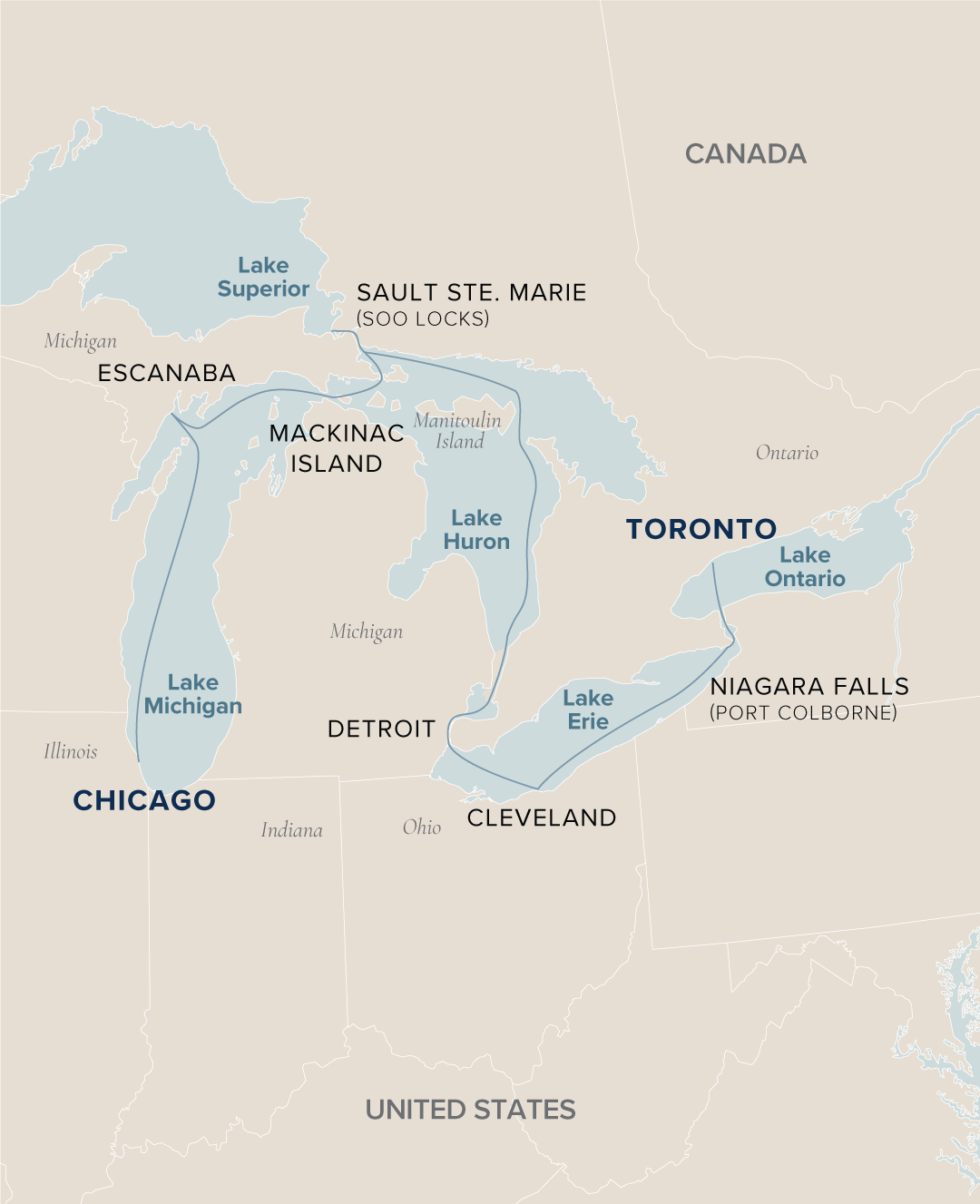
Chicago to Montreal: To reach Montreal, drivers would generally continue east from Toronto or head towards the border crossing near Buffalo. The distance from Chicago to Montreal is approximately 800 miles (1290 kilometers). This journey typically takes 12 to 14 hours of pure driving time, making an overnight stop essential. The Peace Bridge near Buffalo is a common crossing point.
Chicago to Western Canada (e.g., Calgary): Driving to western Canada from Chicago is a considerable undertaking, often spanning multiple days. The route would typically involve heading north and west, potentially through states like North Dakota or Montana, and crossing into Canada at various points. The distance to Calgary is over 1,300 miles (2100 kilometers), requiring at least two to three days of dedicated driving.
Factors Influencing Driving Time
- Traffic and Congestion: Major urban centers like Detroit, Buffalo, and the approaches to Canadian cities can experience significant traffic delays, particularly during peak hours or holiday seasons.
- Border Wait Times: Border crossings can vary in wait times. Checking real-time border wait time information online or via apps is highly recommended to minimize delays.
- Road Conditions and Weather: Especially during winter months, weather conditions across the Midwest and into Canada can impact driving speeds and safety. Snow, ice, and heavy precipitation can significantly prolong travel times.
- Stops for Rest and Fuel: The driving times cited are for continuous driving. Regular stops for fuel, meals, and rest are essential for safe travel and will add to the overall duration.
- Vehicle Type: The type of vehicle and its fuel efficiency will influence the number of fuel stops required.
Rail Travel: A Scenic Perspective
While less common for the initial leg of a journey from Chicago to many parts of Canada compared to flying or driving, rail travel offers a unique and often scenic perspective. Amtrak provides service to certain Canadian destinations, and within Canada, VIA Rail operates extensive networks.
Amtrak Connections
Amtrak operates one direct international route from Chicago to Canada: the Maple Leaf train, which travels to Toronto.
- Chicago to Toronto: The Maple Leaf route departs from Chicago Union Station and travels through upstate New York, crossing the border near Niagara Falls. The journey to Toronto Union Station covers approximately 700 miles (1130 kilometers) and typically takes around 10 to 11 hours. This makes it a full-day journey, offering comfortable seating, the ability to move around, and scenic views of the countryside.
Considerations for Rail Travel
- Limited Direct Routes: For destinations beyond Toronto, connecting rail travel would be necessary, often involving a change of trains in Toronto or Montreal and then utilizing VIA Rail services.
- Time Commitment: Rail travel is generally slower than air travel, making it a more leisurely option for those with ample time and a desire to enjoy the journey itself.
- Scenery: The Maple Leaf route, in particular, is known for its picturesque views as it winds through the landscapes of western New York and along the shore of Lake Ontario.
- Comfort and Amenities: Train travel often provides more legroom than airplane seats, and onboard amenities can include dining cars and lounge cars, enhancing the travel experience.
Planning Your Journey: Distance is Just the Beginning
Understanding the distances between Chicago and various points in Canada is the foundational step in planning a successful trip. Each mode of transportation offers a distinct experience, catering to different priorities, whether it’s speed, cost-effectiveness, flexibility, or the joy of the journey itself.
Choosing the Right Mode of Transport
- For Speed and Efficiency: Flights are the undisputed champions for covering long distances quickly. If your primary goal is to reach your Canadian destination with minimal travel time, flying is the most logical choice.
- For Flexibility and Exploration: Driving offers unparalleled freedom. It allows you to set your own pace, make spontaneous stops, and explore smaller towns and attractions that might be missed on other forms of travel. It’s ideal for road trips and for those who enjoy the adventure of the open road.
- For a Relaxing and Scenic Experience: Rail travel, particularly the Amtrak route to Toronto, provides a more relaxed way to travel, allowing you to decompress, enjoy the changing scenery, and avoid the stresses of airport security or highway traffic.
Final Preparations
Regardless of your chosen method, thorough preparation is key. Researching your specific destination in Canada, checking the latest travel advisories, understanding currency exchange rates, and ensuring you have the necessary travel documents (passport, visa if applicable) will contribute to a seamless and enjoyable journey. The distance from Chicago to Canada is a tangible measure, but the true value of the trip lies in the experiences and memories you create along the way.
LifeOutOfTheBox is a participant in the Amazon Services LLC Associates Program, an affiliate advertising program designed to provide a means for sites to earn advertising fees by advertising and linking to Amazon.com. Amazon, the Amazon logo, AmazonSupply, and the AmazonSupply logo are trademarks of Amazon.com, Inc. or its affiliates. As an Amazon Associate we earn affiliate commissions from qualifying purchases.