
Embarking on a journey between two of America’s most iconic Midwestern cities, Cleveland, Ohio and Chicago, Illinois, involves more than just calculating the mileage. This route, while seemingly straightforward on a map, offers a diverse range of travel experiences, from the efficiency of air travel to the scenic allure of a road trip. Understanding the distance is the first step in planning an adventure that caters to your preferences, whether you’re seeking a swift transition or a leisurely exploration of the landscapes and towns that lie between.
Understanding the Distance: Mileage and Travel Times
The fundamental question of “how far” is best answered by considering the primary modes of transportation available for this route. Each method presents a unique perspective on the journey, influencing not only the time spent traveling but also the overall cost and the opportunities for exploration along the way.
Driving Distance and Route Options
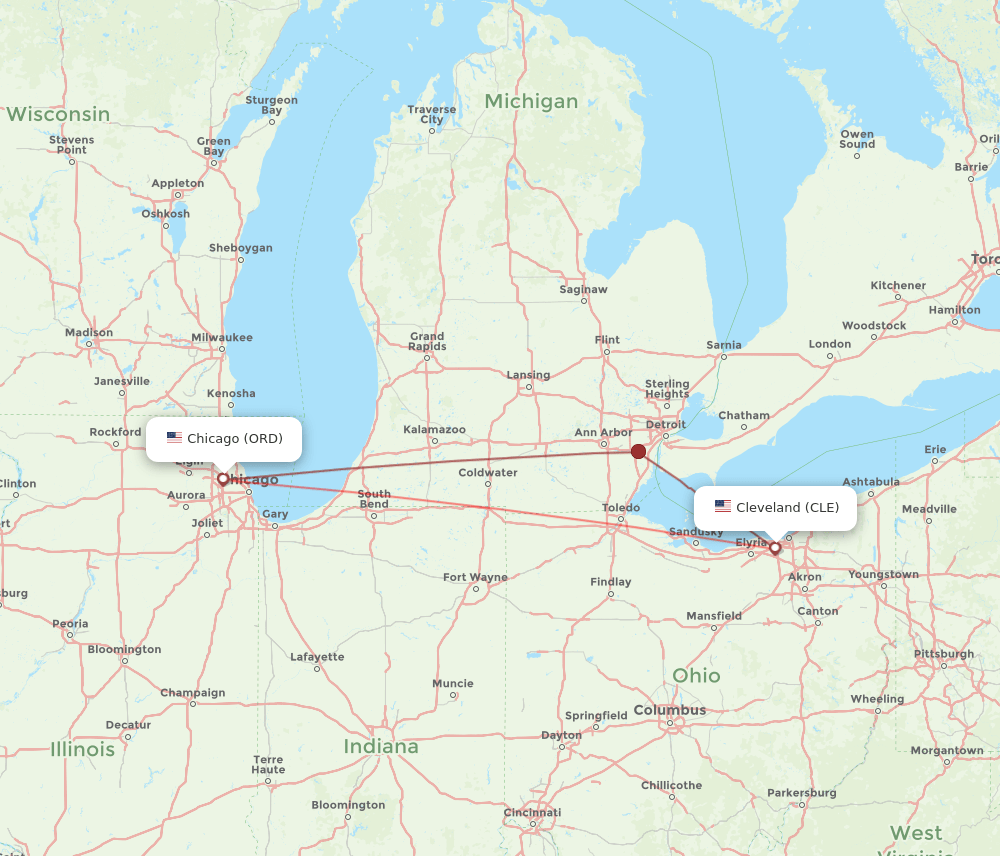
The most direct driving route from Cleveland, Ohio to Chicago, Illinois spans approximately 340 to 360 miles, depending on the specific starting and ending points within each metropolitan area and the chosen highway. The primary corridor for this journey is Interstate 90 (I-90) for a significant portion of the drive.
- The Direct Route (I-90): This is the most common and often the quickest path. Traveling west on I-90, you’ll traverse through northern Ohio, southeastern Michigan, and then enter Indiana before reaching the outskirts of Chicago. This route is generally well-maintained and offers plentiful services, including gas stations, rest stops, and dining options. The estimated driving time for this route, without significant traffic or stops, is typically between 5.5 to 7 hours.
- Scenic Alternatives: While I-90 is efficient, it can sometimes be monotonous. For those with more time and a desire to see more of the American heartland, alternative routes might be considered. These could involve venturing slightly south through parts of Indiana, perhaps touching upon cities like South Bend, Indiana, or taking more northerly paths through Michigan. However, these deviations will inevitably increase the overall mileage and travel time.
- Factors Affecting Travel Time: It’s crucial to account for variables that can significantly impact your journey. Traffic, especially approaching and within the Chicago metropolitan area during peak hours, can add considerable delay. Road construction, weather conditions (particularly during winter months with potential for snow and ice), and the number and duration of stops for fuel, food, and rest are also critical considerations. A leisurely road trip with planned sightseeing could easily extend the travel time to 8-10 hours or more.
Flying: The Fastest Option
For those prioritizing speed and efficiency, air travel is the most logical choice for covering the distance between Cleveland, Ohio and Chicago, Illinois.
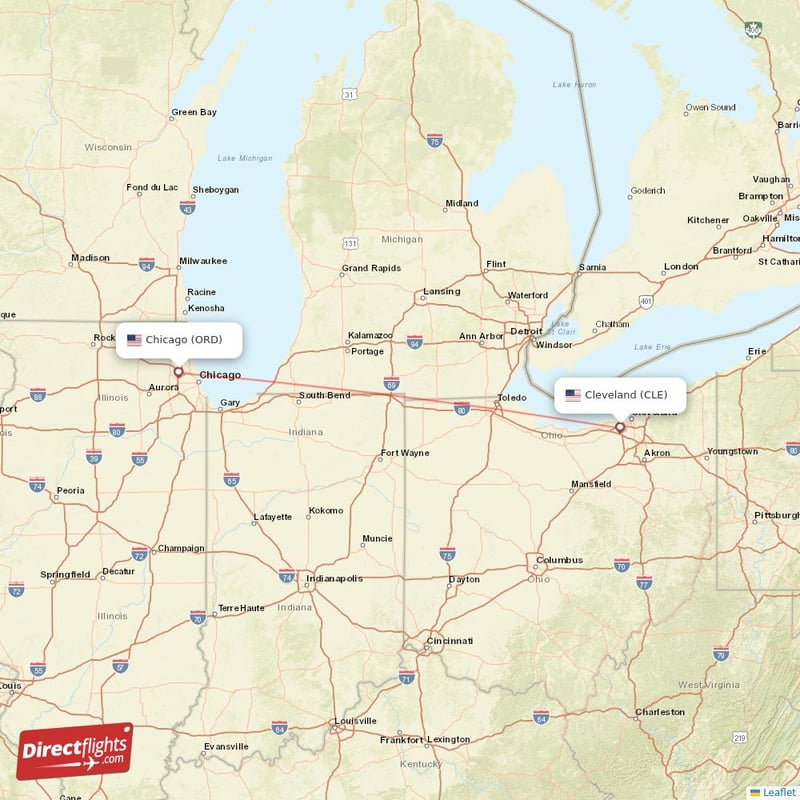
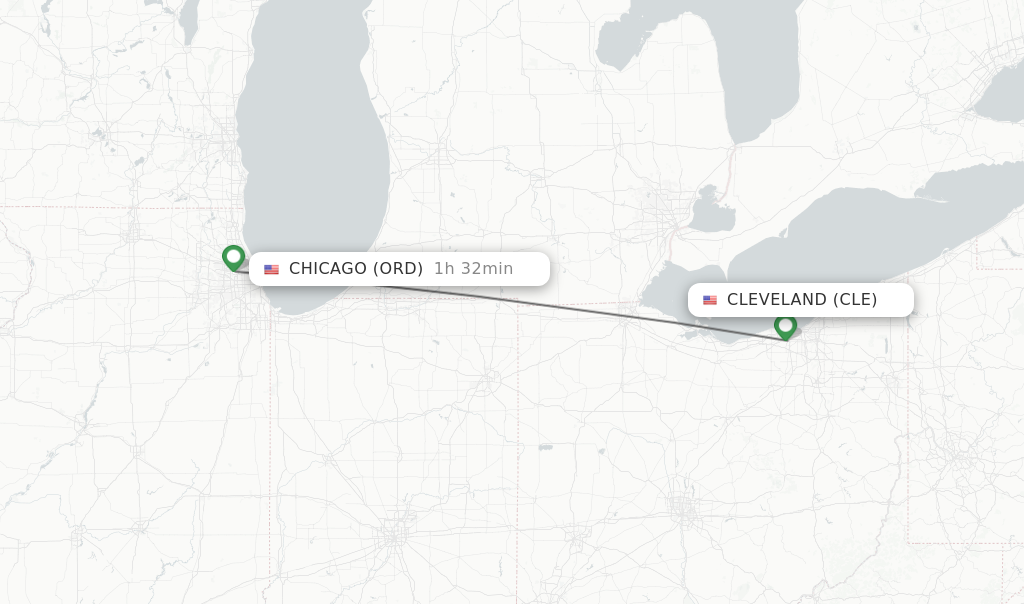
- Flight Duration: The actual flight time between Cleveland Hopkins International Airport (CLE) and Chicago O’Hare International Airport (ORD) or Chicago Midway International Airport (MDW) is remarkably short, typically around 1 hour to 1 hour and 30 minutes.
- Total Travel Time: However, it’s essential to factor in the entire airport experience. This includes travel to and from the airports, check-in procedures, security screening, boarding, and deplaning. When all these elements are considered, the total door-to-door travel time for a flight can range from 4 to 6 hours, which can sometimes be comparable to or even longer than driving, depending on traffic and airport congestion.
- Airlines and Availability: Several major airlines operate frequent direct flights between Cleveland and Chicago. This high frequency ensures flexibility in scheduling and often leads to competitive pricing. Popular carriers include United Airlines, American Airlines, and Southwest Airlines.
Train Travel: A Relaxed Alternative
While not as swift as flying or as flexible as driving, train travel offers a comfortable and often scenic way to journey between Cleveland, Ohio and Chicago, Illinois via Amtrak.
- The Route: The primary Amtrak service connecting these two cities is the Capitol Limited line, which offers a direct route. The train journey typically takes approximately 7 to 8 hours.
- Advantages of Train Travel: This mode of transport is ideal for those who prefer to avoid the stress of driving or the airport security procedures. Passengers can relax, read, work, or enjoy the changing scenery from the comfort of their seats. Many trains offer Wi-Fi, dining car services, and the ability to move around the train. It’s a more environmentally friendly option compared to flying or driving alone.
- Station Locations: In Cleveland, the main station is Cleveland Union Terminal. In Chicago, trains arrive and depart from the iconic Union Station. These central locations make it convenient to connect to other forms of transportation upon arrival.
Planning Your Trip: Considerations Beyond Distance
The decision of how to travel between Cleveland, Ohio and Chicago, Illinois is deeply intertwined with the purpose of your visit, your budget, and your personal travel style. Understanding the nuances of each option allows for a more informed and enjoyable travel plan.
Budgetary Aspects
- Driving: When considering driving, the primary costs are fuel, potential tolls (especially if utilizing toll roads like the Ohio Turnpike or Indiana Toll Road), and wear and tear on your vehicle. For a solo traveler or a small group sharing fuel costs, driving can be very economical. Parking in Chicago can also be a significant expense, so factor that into your overall budget.
- Flying: Airfare prices fluctuate considerably based on booking time, season, and demand. While sometimes the most expensive option, booking in advance or during off-peak times can yield competitive fares. Additional costs include baggage fees, airport parking or transportation to/from the airport, and potentially rental car expenses upon arrival if public transit or ride-sharing isn’t sufficient.
- Train: Train tickets can vary in price, often depending on the class of service and how far in advance you book. While typically more expensive than the fuel cost for driving, it can sometimes be more affordable than last-minute flights. The lack of additional costs like baggage fees or airport transfers can make the total cost more predictable.
Travel Style and Preferences
- The Explorer: For those who enjoy the journey as much as the destination, driving is often the preferred method. It allows for spontaneous stops at roadside attractions, charming small towns, or natural points of interest that might otherwise be missed. This approach transforms the simple act of traveling from point A to point B into a rich travel experience.
- The Efficient Traveler: If your primary goal is to reach Chicago, Illinois as quickly as possible to maximize time spent exploring the city’s attractions, flying is the most sensible choice. This allows you to arrive refreshed and ready to begin your urban adventure.
- The Relaxed Voyager: For individuals who appreciate comfort and a more leisurely pace, train travel provides an excellent balance. It offers the opportunity to unwind, enjoy the views, and arrive in Chicago without the stress of navigating traffic or adhering to strict airport schedules.
Connecting Cities and Regions
The route between Cleveland, Ohio and Chicago, Illinois traverses through a vibrant and diverse section of the American Midwest.
- Ohio: Starting in Cleveland, known for its rich industrial history, cultural institutions like the Cleveland Museum of Art, and the vibrant Rock & Roll Hall of Fame, the journey heads west. You’ll pass through areas that showcase the state’s agricultural heartland and its transition towards the industrial corridors of its western regions.
- Indiana: As you enter Indiana, the landscape often shifts to expansive farmland. Cities like South Bend, Indiana, home to the University of Notre Dame, offer potential detours for those interested in exploring more of Indiana’s character. The northern reaches of Indiana are also characterized by their proximity to the southern tip of Lake Michigan, providing glimpses of the vast freshwater body.
- Illinois: Approaching Chicago, Illinois, the landscape gradually urbanizes, transitioning from suburban sprawl to the impressive skyline of the city. The final stretch often involves navigating the extensive highway network that leads into the heart of the metropolitan area.
Ultimately, the distance between Cleveland, Ohio and Chicago, Illinois is not just a number of miles, but a gateway to a multifaceted travel experience. Whether you choose the speed of a plane, the freedom of a car, or the comfort of a train, the journey itself becomes an integral part of your visit to these two dynamic Midwestern hubs.
LifeOutOfTheBox is a participant in the Amazon Services LLC Associates Program, an affiliate advertising program designed to provide a means for sites to earn advertising fees by advertising and linking to Amazon.com. Amazon, the Amazon logo, AmazonSupply, and the AmazonSupply logo are trademarks of Amazon.com, Inc. or its affiliates. As an Amazon Associate we earn affiliate commissions from qualifying purchases.