
Navigating the urban expanse of Chicago can be a delightful adventure, whether you’re a seasoned traveler or a first-time visitor. Understanding the distances between key points of interest is crucial for efficient planning, and the proximity of Midway International Airport (MDW) to the vibrant heart of downtown is a frequent query. This guide delves into the distances, travel times, and modes of transportation that connect Midway to the iconic skyline and bustling streets of downtown Chicago, offering insights for seamless transit.
Understanding the Geographic Relationship
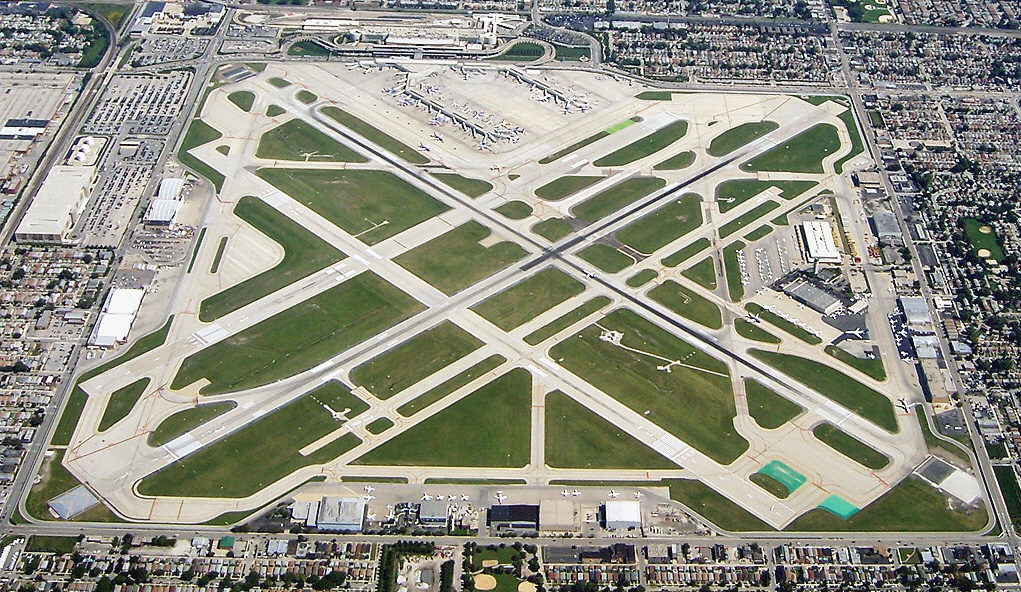
Midway International Airport (MDW), officially known as Theodore G. Francis International Airport, is situated southwest of downtown Chicago. Its strategic location makes it a convenient gateway for many travelers, offering a less congested alternative to O’Hare International Airport (ORD) for a significant portion of flights. The direct distance, or “as the crow flies,” between Midway and the central business district of downtown Chicago is approximately 9 to 10 miles (about 14.5 to 16 kilometers). However, in the context of urban travel, the actual driving or transit distance is a more practical consideration, typically ranging from 10 to 13 miles (16 to 21 kilometers), depending on the specific route taken.

Key Downtown Chicago Landmarks and Their Proximity to Midway
When considering the “downtown” area of Chicago, it’s helpful to pinpoint some of its most recognized landmarks to establish a clearer sense of scale and distance from Midway.
The Loop, Chicago’s Central Business District
The heart of downtown Chicago is often referred to as The Loop, characterized by its elevated train tracks and towering skyscrapers. Major attractions within The Loop include:
- Millennium Park, home to the iconic Cloud Gate sculpture (affectionately known as “The Bean”) and the Jay Pritzker Pavilion. The distance from Midway to Millennium Park is roughly 11 miles (17.7 kilometers) by road.
- Willis Tower (formerly Sears Tower), one of the tallest buildings in the Western Hemisphere, offering breathtaking panoramic views from its Skydeck. This landmark is approximately 10 miles (16 kilometers) from Midway.
- Art Institute of Chicago, a world-renowned museum housing an extensive collection of Impressionist and Post-Impressionist masterpieces. It’s located just under 11 miles (17.7 kilometers) from the airport.
- Navy Pier, a popular entertainment venue stretching out into Lake Michigan, featuring shops, restaurants, and amusement rides. While not strictly within The Loop, it’s a significant downtown attraction, situated about 12 miles (19.3 kilometers) from Midway.
The travel time to these downtown destinations from Midway can vary significantly based on traffic conditions, especially during peak hours.
Transportation Options from Midway to Downtown Chicago
Choosing the right mode of transportation is key to a smooth journey between Midway and downtown Chicago. The city offers a robust public transit system alongside various private and ride-sharing options, catering to different budgets and preferences.
Public Transportation: The CTA Orange Line
For the most efficient and cost-effective way to travel between Midway and downtown Chicago, the Chicago Transit Authority (CTA) Orange Line is the premier choice. This direct rail line connects Midway station to multiple stops in The Loop, making it incredibly convenient for travelers.
Orange Line Route and Travel Time
The Orange Line station is conveniently located within the airport terminal complex, accessible via a covered walkway. Once aboard, the train embarks on a journey that generally takes between 20 to 30 minutes to reach the core downtown stations. Key stops for tourists and business travelers include:
- State/Lake: This station is a central hub, providing access to Millennium Park, The Art Institute of Chicago, and various theaters.
- Clark/Lake: Another important interchange, offering proximity to The Magnificent Mile and the Chicago Riverwalk.
- Washington/Wells: This stop is ideal for those heading towards Willis Tower and the financial district.
- Harrison: Convenient for accessing institutions in the southern part of The Loop.
The Orange Line operates frequent service throughout the day, with trains running every 5 to 15 minutes, depending on the time. A single ride fare is generally affordable, and options for day passes or multi-day passes are available for those planning extensive travel within the city using the CTA system. This makes the Orange Line an excellent option for budget-conscious travelers and those seeking to avoid Chicago’s notorious traffic.
Ride-Sharing Services and Taxis
For those who prefer door-to-door service or are traveling with significant luggage, ride-sharing services like Uber and Lyft, along with traditional taxis, offer a convenient alternative.
Estimated Travel Times and Costs
The travel time via car from Midway to downtown Chicago is highly dependent on traffic conditions. During off-peak hours, the journey can take as little as 20 to 25 minutes. However, during rush hour (typically weekdays from 6:30 AM to 9:30 AM and 3:00 PM to 6:30 PM), travel times can extend to 45 minutes or even an hour.
The cost of a taxi or ride-sharing service will vary based on the provider, surge pricing (for ride-sharing), and the exact destination within downtown. Generally, a one-way trip can range from $35 to $60 or more. Designated pick-up zones are clearly marked at Midway for ride-sharing services, and taxi stands are readily available.
Rental Cars
While not always the most practical choice for navigating downtown Chicago due to parking challenges and costs, renting a car at Midway provides flexibility for exploring beyond the immediate city center or for those who plan extensive day trips.
Driving Routes and Considerations
The most common driving route from Midway to downtown Chicago involves taking Cicero Avenue north to I-55 North, then transitioning to the Stevenson Expressway towards downtown. Alternatively, drivers can opt for Cicero Avenue to I-90 East, which leads directly into the heart of the city via the Kennedy Expressway.
When driving in downtown Chicago, it’s important to be aware of traffic patterns, one-way streets, and the various tolls that may be encountered. Parking garages are available throughout the downtown area, but rates can be high, especially in prime locations. For visitors primarily focused on exploring downtown attractions, utilizing public transit or ride-sharing services often proves more economical and less stressful than driving and parking.
Beyond the Mile Markers: Factors Influencing Travel Time
While the physical distance between Midway and downtown Chicago is a fixed number, the actual time it takes to traverse this distance is a dynamic variable influenced by several factors. Understanding these elements can help travelers better manage their expectations and plan their arrival or departure times effectively.
Traffic Congestion and Peak Hours
As with any major metropolitan area, Chicago experiences significant traffic congestion, particularly during peak commuting hours. Weekdays, from the early morning (around 6:30 AM) to mid-morning (around 9:30 AM), and again in the late afternoon (around 3:00 PM) to early evening (around 6:30 PM), see the busiest roadways. During these times, driving times can nearly double, making the CTA Orange Line an increasingly attractive option for its predictability. Weekend traffic can also be heavy, especially around major events or attractions.
Special Events and Construction
Chicago is a city that frequently hosts large-scale events, from sporting championships for the Chicago Cubs or Chicago Bears to major music festivals like Lollapalooza. These events, along with ongoing road construction projects, can lead to unexpected detours and significant delays. It is always advisable to check local traffic reports and event schedules before heading to or from Midway during these periods.
Weather Conditions
Chicago’s weather can be a significant factor in travel times. Severe winter storms can cause flight delays and cancellations at Midway and also impact road travel due to snow and ice. Heavy rain or thunderstorms during warmer months can also slow down traffic. Travelers should always monitor weather forecasts and allow for extra travel time when inclement weather is expected.
Maximizing Your Transit Experience
Whether you’re arriving at Midway eager to explore the city or departing with lasting memories, optimizing your transit experience can greatly enhance your trip. Here are a few tips for a smoother journey.
Pre-Planning and Real-Time Information
- Download Transit Apps: Utilize apps like the CTA’s Ventra app for real-time train and bus schedules, fare payment, and service alerts. For road travel, apps like Google Maps or Waze provide live traffic updates and suggest optimal routes.
- Check Flight Status: Before leaving for the airport or upon arrival, always check your flight status for any delays or gate changes.
- Know Your Destination: Have your specific downtown Chicago destination clearly in mind. This will help you choose the most appropriate CTA stop or provide accurate information to your driver.
Luggage Considerations
If you have a substantial amount of luggage, the CTA Orange Line may present some challenges, especially during crowded times. In such cases, taxis or ride-sharing services might be a more comfortable option. However, many seasoned travelers find that navigating the Orange Line with standard luggage is quite manageable.

Fares and Payment
For the CTA, the Ventra card or Ventra app is the primary method of payment for fares. You can purchase a Ventra card at vending machines located at most CTA stations, including Midway. Reloading your card or managing your account through the app is seamless. For taxi and ride-sharing services, payment is typically made via credit card, either through the app or directly with the driver.
In conclusion, the distance from Midway International Airport to downtown Chicago is a manageable one, with the efficient CTA Orange Line offering a direct and affordable connection. By understanding the travel options, potential delays, and planning accordingly, visitors can ensure a stress-free transition between air travel and the vibrant urban experiences that await them in the heart of the Windy City.
LifeOutOfTheBox is a participant in the Amazon Services LLC Associates Program, an affiliate advertising program designed to provide a means for sites to earn advertising fees by advertising and linking to Amazon.com. Amazon, the Amazon logo, AmazonSupply, and the AmazonSupply logo are trademarks of Amazon.com, Inc. or its affiliates. As an Amazon Associate we earn affiliate commissions from qualifying purchases.