
Understanding the nuances of flight duration is crucial for effective travel planning, especially for popular routes like the one connecting Orlando to Chicago. While a simple answer might seem straightforward, several factors can influence the actual time spent in the air. This exploration delves into the typical flight times, the variables that affect them, and what travelers can expect when booking a journey between these two vibrant American cities.
Typical Flight Durations
The most common flight from Orlando International Airport (MCO) to Chicago O’Hare International Airport (ORD) is a non-stop service. On average, these direct flights are approximately 2 hours and 50 minutes to 3 hours and 15 minutes in duration. This timeframe represents the time the aircraft is airborne, from its departure from the gate at MCO to its arrival at the gate at ORD.
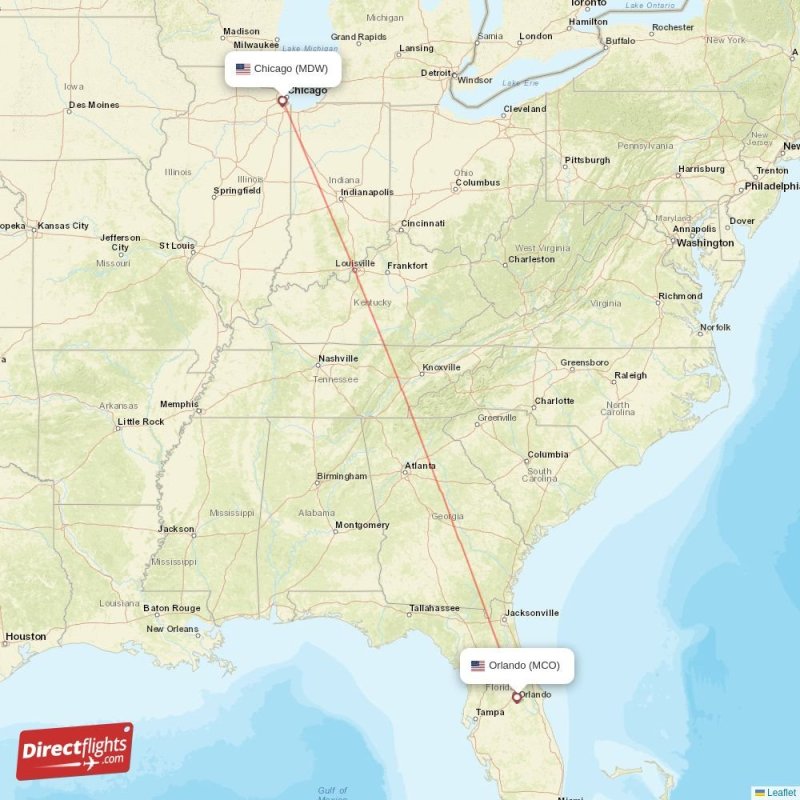
However, it’s important to distinguish between “gate-to-gate” time and “airborne” time. Gate-to-gate encompasses the entire process from pushing back from the gate at the departure airport to arriving at the gate at the destination. Airborne time, on the other hand, is the period the aircraft is actually in flight. For the Orlando to Chicago route, the airborne time is typically a bit shorter than the gate-to-gate time due to taxiing on the runways at both ends.
Non-Stop vs. Connecting Flights
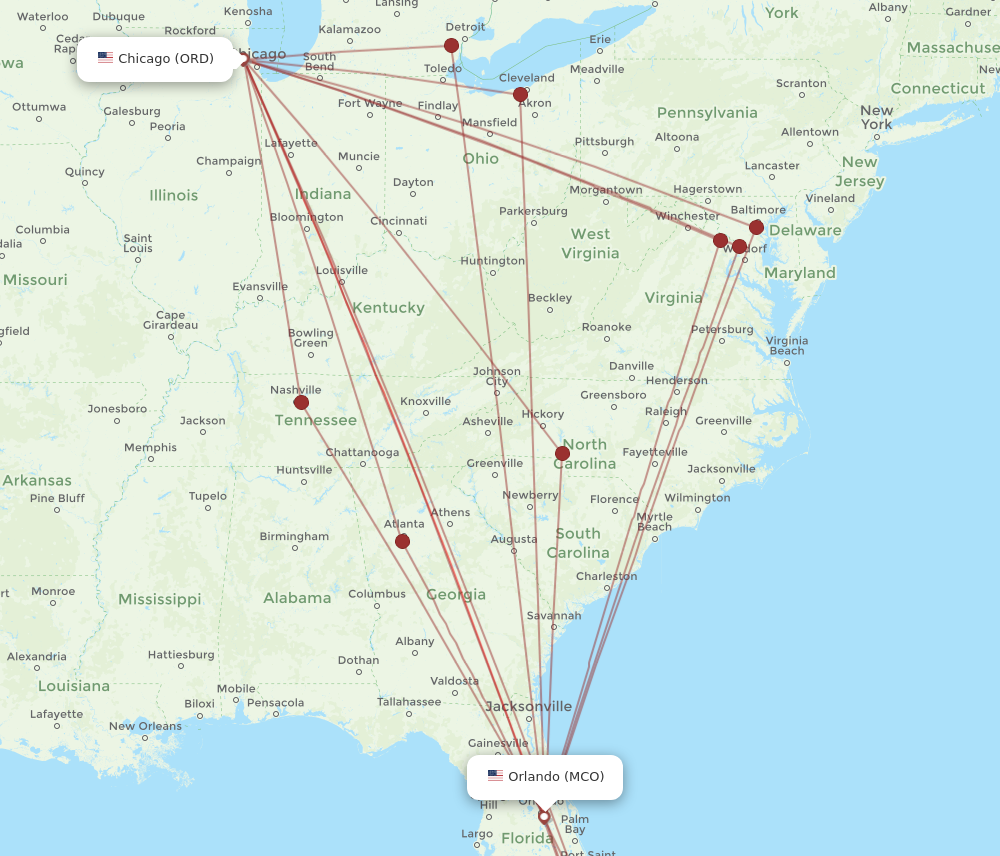
While non-stop flights offer the most efficient travel, many travelers opt for connecting flights due to cost savings or scheduling preferences. These flights will, by definition, take significantly longer. A connecting flight typically involves a layover in a different city, such as Atlanta, Charlotte, or Detroit.
The total travel time for a connecting flight can range widely, from 4 hours to over 8 hours, depending on the length of the layover. A short layover of 1-2 hours might add only an hour or two to the total journey compared to a non-stop flight, while a longer layover of 3-4 hours or more can make the total travel time comparable to a road trip. When comparing flight options, it is essential to look at the total duration, including any layovers, rather than just the individual flight segments.
Factors Influencing Flight Time
Several dynamic factors contribute to the variability in flight durations, even for the seemingly identical route between Orlando and Chicago. Understanding these elements can help travelers manage their expectations and appreciate the complexities of air travel.
Aircraft Type and Speed
Different aircraft models have varying cruising speeds. A larger, more modern jet might fly slightly faster than an older or smaller model. While the difference might be marginal on a flight of this length, it can still contribute to slight variations in arrival times. Airlines often use a mix of aircraft on their routes, so the specific plane assigned to a flight can subtly impact its duration.
Wind Conditions and Jet Streams

Perhaps the most significant external factor influencing flight time is wind. Tailwinds push the aircraft forward, reducing travel time, while headwinds slow it down. The upper atmosphere is characterized by powerful air currents known as jet streams. Flying with a jet stream can significantly shorten flight times, while flying against it can lengthen them. Pilots and air traffic control constantly monitor these conditions to optimize flight paths for efficiency. A flight traveling north from Orlando to Chicago is more likely to encounter headwinds as it moves against prevailing westerly winds, potentially increasing flight time. Conversely, if the flight path can align with a favorable southerly flow or a specific segment of a jet stream, the flight could be shorter.
Air Traffic Control and Flight Path Optimization
Air traffic control (ATC) plays a vital role in managing the skies. To ensure safety and efficiency, ATC assigns specific flight paths, altitudes, and speeds to aircraft. These assignments are dynamic and can change based on real-time air traffic congestion, weather patterns, and other operational factors. Pilots may sometimes be required to fly at slightly different altitudes or follow a more circuitous route to maintain separation from other aircraft, which can add a few minutes to the journey. Airlines and pilots actively work with ATC to optimize flight paths, often taking advantage of prevailing winds to reduce fuel burn and flight time.
Time of Day and Day of the Week
While less impactful on actual airborne time, the time of day and day of the week can indirectly influence flight duration by affecting air traffic congestion. Flights departing during peak travel times, such as early mornings, late afternoons, and evenings, might experience slightly longer taxi times on the ground or require more time for air traffic control to assign departure and arrival slots. Similarly, flying on busy travel days like Fridays or Sundays might involve more significant congestion.
Planning Your Trip to Chicago
When planning a trip from Orlando to Chicago, understanding flight durations is just the first step. Effective planning also involves considering travel to and from the airports, potential delays, and the overall travel experience.
Airport Considerations
Both Orlando International Airport and Chicago O’Hare International Airport are major international hubs. This means they handle a high volume of passenger traffic daily. Travelers should always factor in ample time for check-in, security screening, and navigating the terminals. For domestic flights, arriving at least two hours before departure is generally recommended, especially during peak travel seasons.
Getting to and From the Airports
In Orlando, options for reaching MCO include ride-sharing services, taxis, hotel shuttles, and public transportation. Similarly, in Chicago, travelers can utilize the CTA ‘L’ train, taxis, ride-sharing, or rental cars to get to and from ORD. The time taken for these transfers will add to the total journey duration and should be accounted for in your travel itinerary.
Booking and Flight Tracking
When booking flights, always pay close attention to the advertised flight duration, especially distinguishing between non-stop and connecting options. Once a flight is booked, utilizing flight tracking apps or airline websites can provide real-time updates on any delays or changes to your flight schedule, allowing for more informed decision-making throughout your travel day. This proactive approach can help mitigate stress and ensure a smoother travel experience when journeying from the sunshine of Orlando to the bustling cityscape of Chicago.
LifeOutOfTheBox is a participant in the Amazon Services LLC Associates Program, an affiliate advertising program designed to provide a means for sites to earn advertising fees by advertising and linking to Amazon.com. Amazon, the Amazon logo, AmazonSupply, and the AmazonSupply logo are trademarks of Amazon.com, Inc. or its affiliates. As an Amazon Associate we earn affiliate commissions from qualifying purchases.