
Embarking on a journey from the bustling heart of the Midwest to the tropical allure of the Caribbean is a dream for many. When planning such an escape, a fundamental question arises: “How long is the flight from Chicago to Puerto Rico?” This inquiry is more than just about ticking off flight duration on an itinerary; it’s the first step in mentally preparing for the transition from urban landscapes to island paradises, and understanding the time investment involved in reaching a destination renowned for its vibrant culture, stunning beaches, and historical significance. The flight duration, while seemingly a simple statistic, influences everything from the type of ticket you might book to how you structure your arrival day.
Factors Influencing Flight Time
The flight from Chicago to Puerto Rico is not a static measure. Several key variables converge to determine the actual time spent airborne. Understanding these elements can help travelers set realistic expectations and even optimize their booking choices for a smoother travel experience.
Direct vs. Connecting Flights
The most significant determinant of flight duration is whether you opt for a direct flight or one with layovers.
Direct Flights: The Swift Passage
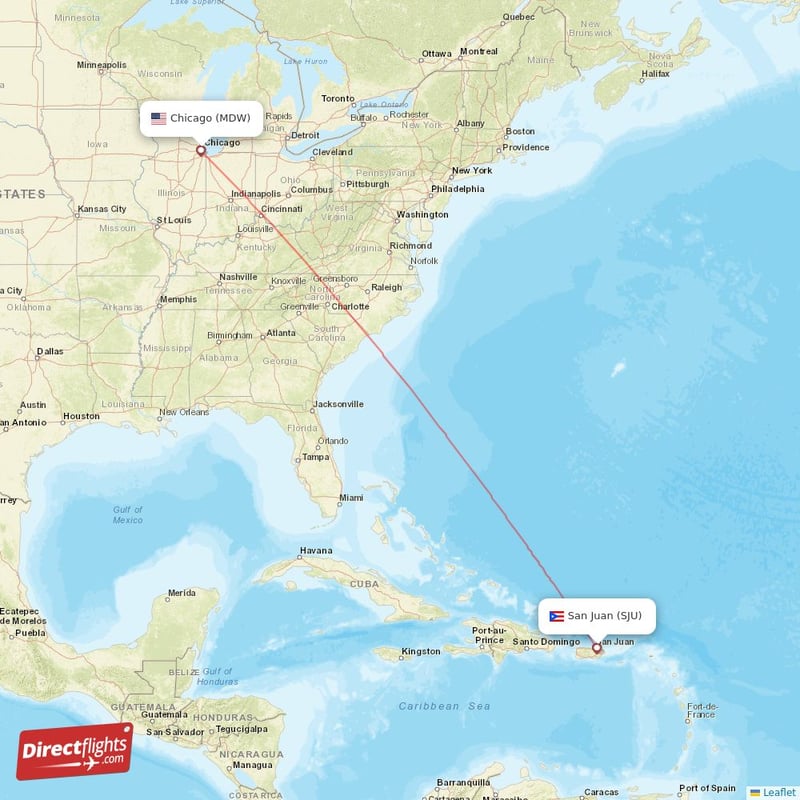
Direct flights are the most efficient way to travel between Chicago and Puerto Rico. These flights eliminate the need for passengers to disembark and re-board, significantly cutting down on travel time. Typically, a non-stop flight from Chicago O’Hare International Airport (ORD) to Luis Muñoz Marín International Airport (SJU) in San Juan, Puerto Rico, will take approximately 3 hours and 30 minutes to 4 hours and 15 minutes. This duration is based on optimal flight conditions, including air traffic and prevailing winds. Airlines like United Airlines and Spirit Airlines frequently operate these routes, making them a popular choice for travelers prioritizing speed and convenience. The ability to arrive in Puerto Rico refreshed and ready to explore is a major advantage of direct travel.
Connecting Flights: The Extended Journey
Connecting flights, while often more budget-friendly, invariably add to the total travel time. The layover duration can range from a brief 45 minutes to several hours, depending on the airline, the connecting airport, and the specific itinerary. Common layover points might include hubs like Atlanta, Charlotte, or even cities further north or west. When factoring in taxiing on the tarmac, boarding, and deplaning, a single layover can easily add 2 to 5 hours or more to the overall journey. Therefore, a connecting flight from Chicago to Puerto Rico can extend the total travel time to anywhere from 6 to 10 hours or even longer. It’s crucial for travelers to carefully examine the total duration of connecting flights during the booking process, considering not only the flight segments but also the time spent waiting in the terminal.
Airline and Aircraft Type
While less impactful than direct versus connecting flights, the specific airline and the type of aircraft used can introduce minor variations in flight time. Different airlines may have slightly different flight paths or cruising speeds dictated by their operational protocols. Similarly, the performance characteristics of various aircraft models, such as the Boeing 737 or Airbus A320 families often used on these routes, can contribute to marginal differences in flight duration. However, for practical purposes, these differences are usually within a few minutes and are less significant than other factors.
Wind and Weather Conditions
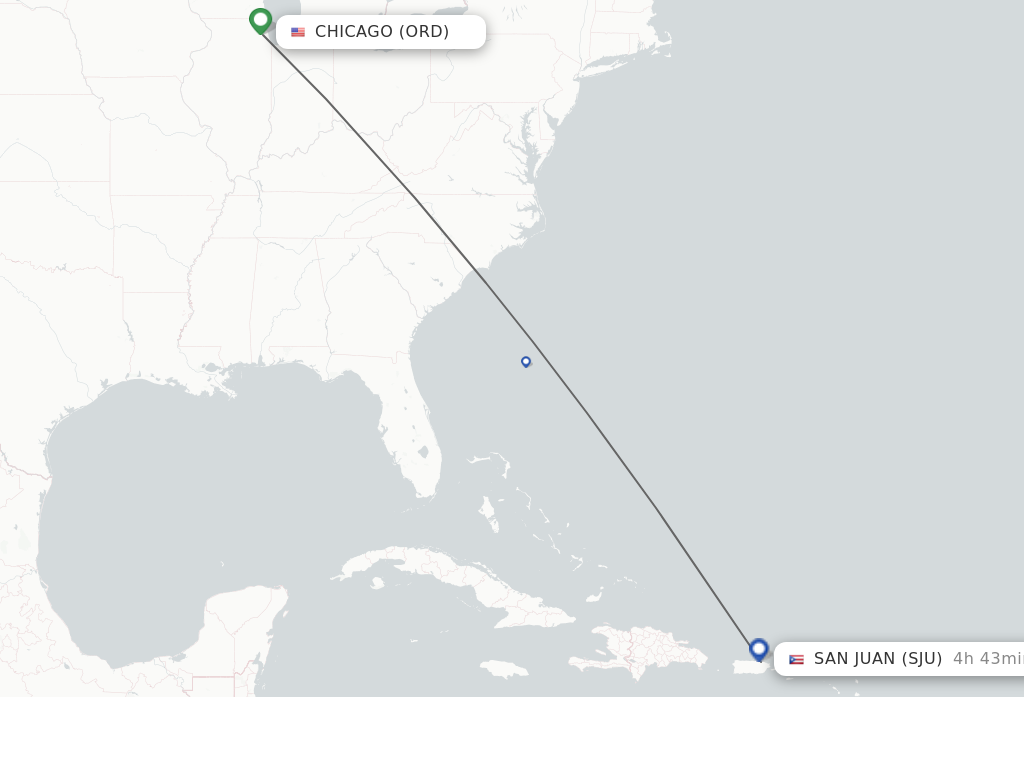
The prevailing winds, particularly the jet stream, play a crucial role in transcontinental and international flight times. Flights traveling eastward from Chicago to Puerto Rico often benefit from tailwinds, which can shorten the flight duration. Conversely, headwinds can extend the flight time. Weather patterns, both at the departure and arrival airports, and along the flight path, can also necessitate diversions or slower flight speeds due to turbulence or storms, thereby impacting the total time. While airlines factor these into their scheduled times, unexpected weather events can lead to delays.
Planning Your Arrival in Puerto Rico
Understanding the flight duration is the first piece of the puzzle. The next step is to consider how this time investment translates into your arrival experience in Puerto Rico.
Time Zone Differences
Puerto Rico observes Atlantic Standard Time (AST), which is UTC-4. Chicago, being in the Central Time Zone (CT), observes either Central Standard Time (CST) or Central Daylight Time (CDT). During Standard Time, Chicago is UTC-6, and during Daylight Saving Time, it is UTC-5. This means that Puerto Rico is one hour ahead of Chicago during the period when Chicago observes Central Standard Time. However, when Chicago is on Central Daylight Time, the time difference is just one hour, with Puerto Rico being one hour ahead. It is essential to confirm the current time difference at the time of travel to avoid confusion with arrival times and initial planning. This time difference means that an early morning flight from Chicago might land in Puerto Rico around midday, allowing for a full afternoon of activities.
Navigating Luis Muñoz Marín International Airport
Upon arrival at Luis Muñoz Marín International Airport (SJU) in San Juan, travelers will need to account for time spent deplaning, navigating the terminal, collecting luggage, and proceeding through customs and immigration. As Puerto Rico is a U.S. territory, U.S. citizens do not require passports, simplifying the arrival process. However, processing times can still vary depending on the volume of arriving flights. Once through the terminal, transportation options such as rental cars, taxis, ride-sharing services, and pre-arranged shuttles are readily available to take you to your accommodation, whether it’s a beachfront resort in Isla Verde, a boutique hotel in Old San Juan, or a rental villa.
Maximizing Your Travel Time
The flight from Chicago to Puerto Rico, whether short and direct or longer with a layover, represents a valuable block of time. How you utilize this time can significantly impact your overall travel experience.
Preparing for Your Puerto Rican Adventure
The flight is an ideal opportunity to immerse yourself in the culture and history of Puerto Rico. Reading a book about Puerto Rican history, learning a few basic Spanish phrases, or researching local cuisine can enhance your anticipation and understanding. You can also use this time to finalize your itinerary, noting down key attractions like El Morro, the bioluminescent bays of Vieques or Fajardo, and the lush landscapes of the El Yunque National Forest. Many airlines offer in-flight entertainment systems with movies and music, which can help pass the time pleasantly.

Comfort and Convenience in the Air
To make the most of your flight, prioritizing comfort is key. Packing essentials in your carry-on, such as comfortable clothing, a neck pillow, headphones, and any necessary medications, can make a significant difference. Staying hydrated and avoiding excessive alcohol consumption can also help you feel better upon arrival, reducing the impact of jet lag. Choosing a flight time that aligns with your natural sleep schedule can also contribute to a more restful journey, especially if you’re opting for a red-eye flight.
Ultimately, the flight from Chicago to Puerto Rico is a bridge between two distinct worlds. While the duration is a practical consideration, it’s also a time to transition, to prepare, and to build excitement for the vibrant experiences that await on the island. Whether your flight is just under four hours or extends significantly with connections, the anticipation of stepping onto Puerto Rican soil, breathing in the tropical air, and immersing yourself in its rich tapestry of sights, sounds, and flavors, makes the journey well worth it.
LifeOutOfTheBox is a participant in the Amazon Services LLC Associates Program, an affiliate advertising program designed to provide a means for sites to earn advertising fees by advertising and linking to Amazon.com. Amazon, the Amazon logo, AmazonSupply, and the AmazonSupply logo are trademarks of Amazon.com, Inc. or its affiliates. As an Amazon Associate we earn affiliate commissions from qualifying purchases.