
Understanding the duration of a flight from Chicago to Iceland is a crucial piece of information for any traveler planning an adventure to the land of fire and ice. While the exact flight time can fluctuate based on several factors, a general overview provides a solid foundation for your travel planning. This guide delves into the typical flight durations, the variables that influence them, and what to expect during your journey, ensuring you can make the most of your time and prepare adequately for your transatlantic voyage.
Direct vs. Connecting Flights: The Primary Time Factor
The most significant determinant of your flight’s total travel time from Chicago to Iceland is whether you opt for a direct flight or one with layovers. Direct flights are the most efficient way to travel between continents, minimizing your time spent in transit and maximizing your time at your destination.
Direct Flights: The Fastest Route
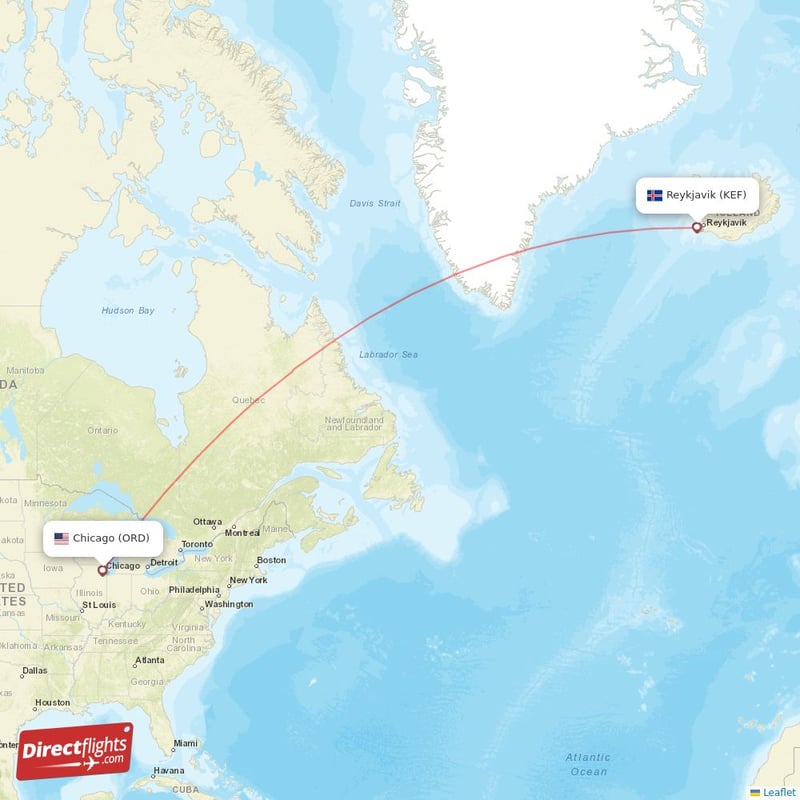
When direct flights are available, they offer the most straightforward and time-saving option. For the route from Chicago to Iceland, specifically to Keflavík International Airport (KEF), the closest major airport to Reykjavík, direct flights typically range from 5.5 to 6.5 hours. This duration accounts for the time spent airborne, covering the approximate distance of 3,300 miles (5,300 kilometers) across the North Atlantic.
Airlines such as Icelandair have historically offered direct services on this route, making it a popular choice for those seeking a quick escape to Iceland. The actual flight time can be influenced by prevailing winds. Tailwinds can shorten the journey, while headwinds will extend it. Flight paths are also optimized for efficiency, so the route taken might not be a perfectly straight line on a map.
Connecting Flights: Added Time and Potential for Exploration
Connecting flights, while often cheaper, inevitably add significant time to your overall travel. The duration of a connecting flight will depend heavily on the layover city and the length of the stop. Common layover points for flights from Chicago to Iceland might include other major European hubs like London, Amsterdam, or even cities on the East Coast of the United States before an onward transatlantic journey.
A flight with one layover can easily extend your total travel time to 9 to 15 hours, or even longer, depending on the layover duration. This includes the time spent on the ground in the connecting city, which can range from a brief 1-2 hours to an extended period of several hours. If your layover is particularly long, you might even have time to briefly explore the city where you’re connecting, turning a necessity into a mini-adventure. However, it’s crucial to factor in the potential for flight delays at both your departure and arrival airports, which can further prolong your journey.
Factors Influencing Flight Duration
Beyond the direct versus connecting flight dichotomy, several other elements can subtly alter the time you spend in the air. Understanding these can help you set realistic expectations for your travel.
Wind Patterns: The Invisible Force
The winds, particularly the jet stream, play a significant role in transatlantic flight times. Flying eastward from Chicago to Iceland generally means you’ll benefit from the jet stream, acting like a powerful tailwind. This can shave valuable minutes off your flight. Conversely, the return journey from Iceland to Chicago often encounters headwinds from the jet stream, leading to slightly longer flight durations.
Aircraft Type and Speed
While most major airlines operating long-haul routes utilize similar wide-body aircraft, subtle differences in cruising speeds can contribute to minor variations in flight time. However, this is generally a less impactful factor compared to wind conditions or layovers.
Air Traffic and Routing
Air traffic control plays a vital role in managing flight paths and ensuring safety. The specific routing assigned by air traffic controllers can also influence the distance flown and, consequently, the flight duration. Busy air corridors, especially around major aviation hubs, might necessitate slightly longer routes to avoid congestion.

Time of Day and Season
While less direct, the time of day and the season can indirectly affect flight times. For instance, during peak travel seasons, air traffic might be heavier, potentially leading to minor delays in ground operations or air traffic management.
Preparing for Your Flight to Iceland
Knowing the approximate flight time is just the first step in preparing for your journey. Being well-prepared can make the travel experience much more comfortable and enjoyable.
Packing Essentials for the Flight
Regardless of whether you’re on a direct or connecting flight, comfort is key. Pack essentials in your carry-on luggage:
- Entertainment: Books, e-readers, downloaded movies or music, and noise-canceling headphones are invaluable for passing the time.
- Comfort Items: A travel pillow, a warm blanket or scarf, and comfortable, loose-fitting clothing will make your time in the air much more pleasant. Layers are always a good idea, as cabin temperatures can fluctuate.
- Snacks and Drinks: While airlines provide refreshments, having your own favorite snacks and an empty reusable water bottle (to fill after security) can be a lifesaver.
- Personal Hygiene: Wipes, a toothbrush and toothpaste, and lip balm can help you feel refreshed, especially on longer flights.
- Travel Documents: Ensure your passport, visa (if required), and any other necessary travel documents are easily accessible.
Maximizing Comfort and Minimizing Jet Lag
To mitigate the effects of jet lag upon arrival in Iceland, consider the following:
- Adjust Your Watch: As soon as you board your flight, set your watch to Icelandic time. This helps your mind begin to adjust.
- Stay Hydrated: Drink plenty of water during the flight and avoid excessive alcohol and caffeine, which can dehydrate you and disrupt sleep patterns.
- Move Around: Get up and walk the aisles periodically to improve circulation and reduce stiffness. Simple in-seat stretches can also be beneficial.
- Sleep Smart: If it’s nighttime in Iceland, try to sleep on the plane. Use your eye mask and earplugs to create a sleep-conducive environment. If it’s daytime, try to stay awake and expose yourself to natural light when possible.
Understanding Your Itinerary
When booking your flight from Chicago to Iceland, pay close attention to the details provided by the airline or booking platform.
Reading the Fine Print
Always review the flight details carefully. This includes the total travel time, the duration of any layovers, the arrival and departure times in local time for each leg of the journey, and the layover airport. This information is crucial for accurate planning, especially if you have onward travel or accommodation booked upon arrival.
Potential for Delays
While airlines strive to maintain their schedules, flight delays can and do happen. These can be due to weather, mechanical issues, or operational problems. It’s wise to build a small buffer into your plans, particularly if your arrival in Iceland is critical for a pre-booked tour or rental car pickup. Most airlines will notify you of significant delays in advance.
Arrival in Iceland
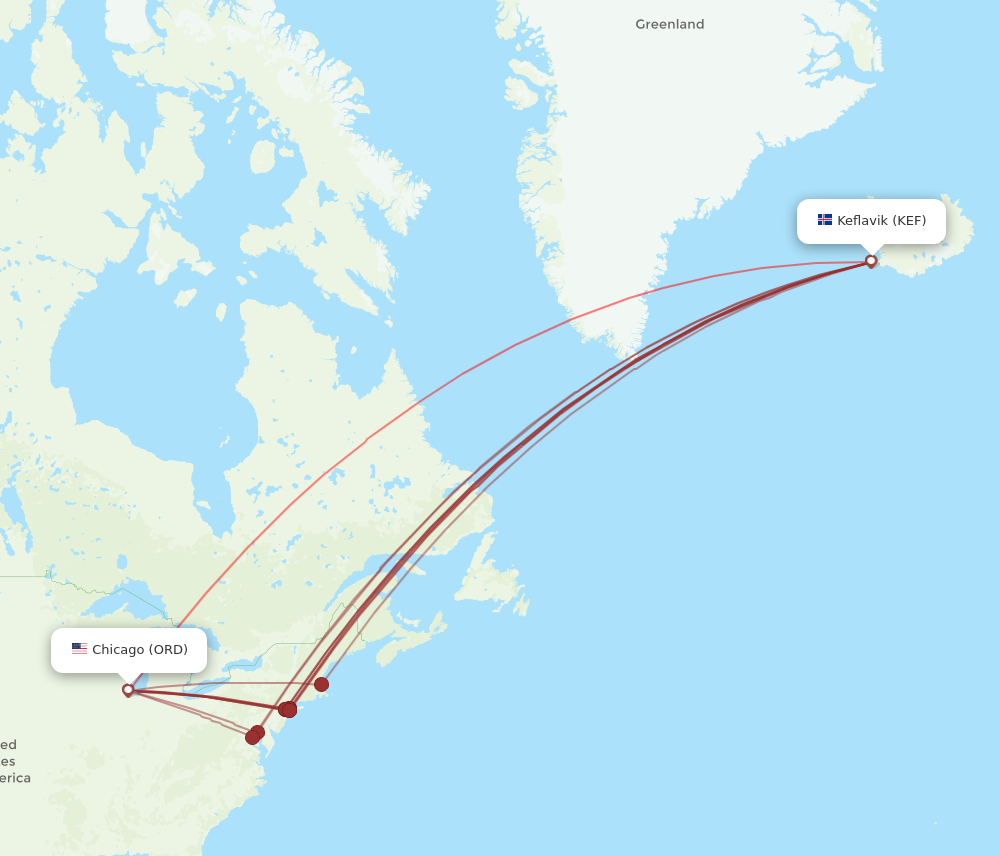
Upon arrival at Keflavík International Airport, you’ll typically need to clear immigration and customs. The time this takes can vary, but it’s generally an efficient process. From the airport, it’s about a 45-minute drive to Reykjavík.
In conclusion, the flight from Chicago to Iceland is a manageable transatlantic journey. While direct flights offer a swift passage of around 6 hours, connecting flights will naturally extend this time considerably. By understanding the influencing factors and preparing diligently, you can ensure your journey to this breathtaking island nation is as smooth and enjoyable as possible, setting the stage for an unforgettable Icelandic experience.
LifeOutOfTheBox is a participant in the Amazon Services LLC Associates Program, an affiliate advertising program designed to provide a means for sites to earn advertising fees by advertising and linking to Amazon.com. Amazon, the Amazon logo, AmazonSupply, and the AmazonSupply logo are trademarks of Amazon.com, Inc. or its affiliates. As an Amazon Associate we earn affiliate commissions from qualifying purchases.