
Embarking on a journey from the vibrant heart of the American Midwest to the dazzling metropolis of the Middle East is an undertaking that requires careful planning, especially when it comes to understanding the significant time commitment involved. The flight from Chicago to Dubai is a substantial transatlantic and transcontinental voyage, crossing multiple time zones and covering vast distances. This extensive travel demands consideration not only of the flight duration itself but also of factors that can influence it, such as airline choice, potential layovers, and even the time of year.

Understanding Direct vs. Connecting Flights
The primary determinant of how long your journey from Chicago to Dubai will take is whether you opt for a direct flight or one with one or more connections. While the allure of a non-stop flight is undeniable, offering the simplest and often fastest route, direct flights between these two iconic cities are less common and can be significantly more expensive.
The Elusive Direct Flight
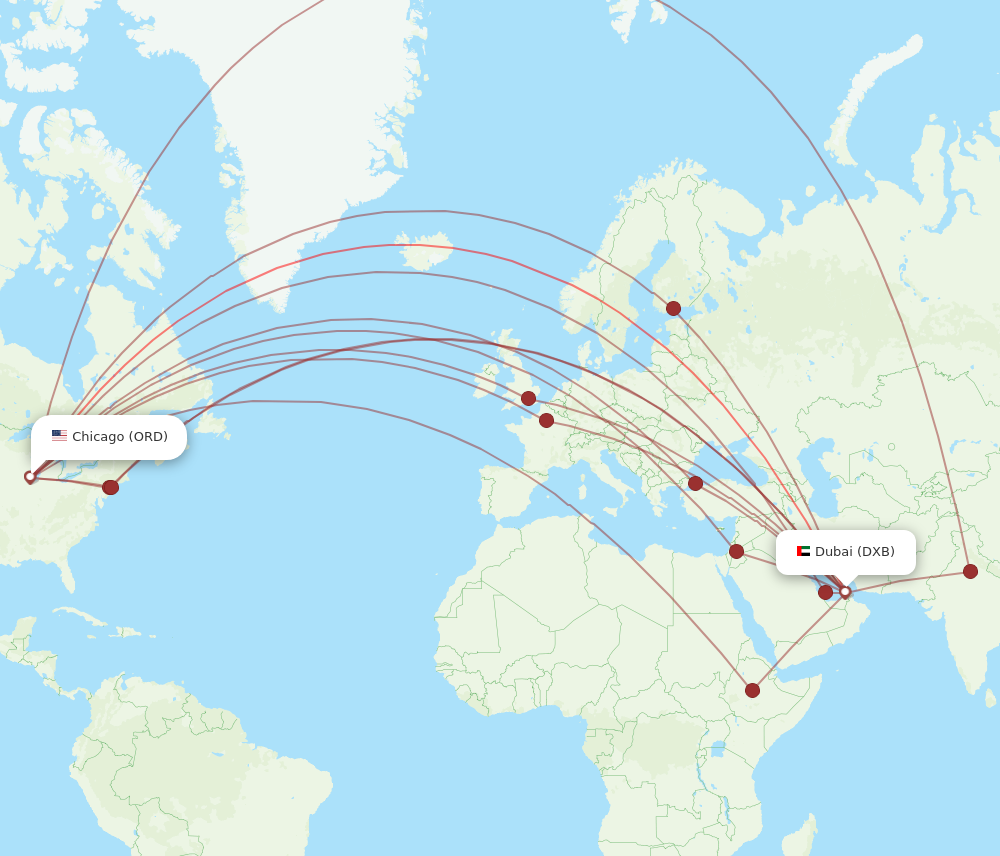
Direct flights from Chicago O’Hare International Airport (ORD) to Dubai International Airport (DXB) are offered by a limited number of carriers, most notably Emirates. When available, these non-stop services represent the most efficient way to traverse the approximately 7,000-mile distance. The typical flight duration for a direct flight is generally in the range of 13 to 15 hours. This figure can fluctuate slightly depending on wind conditions, flight path optimization, and the specific aircraft used. For instance, a tailwind can shave off precious minutes, while headwinds can extend the journey. Aircraft like the Boeing 777 or the larger Airbus A380, commonly used on these long-haul routes, are engineered for efficiency and comfort over such distances.
The Prevalence of Connecting Flights
The vast majority of travelers flying from Chicago to Dubai will find themselves on a flight that includes at least one stop. This is often due to the economics of air travel and the network strategies of airlines. Common layover cities include major European hubs such as Frankfurt, London, Amsterdam, or Paris, as well as other strategic points within the United States or the Middle East.
The total travel time for a connecting flight can vary dramatically. It is crucial to factor in both the flight segments and the layover duration. A common connecting itinerary might involve:
- Flight 1: Chicago to a European hub (e.g., 7-9 hours).
- Layover: This can range from a brief 1.5 hours to several hours, or even an overnight stay, depending on the booking.
- Flight 2: European hub to Dubai (e.g., 5-7 hours).
Therefore, a connecting flight can easily extend the total journey time to anywhere from 18 to 24 hours, and sometimes even longer, particularly if the layover is significant. When comparing flight options, it is imperative to look at the “total travel time” listed by the airline or booking platform, which usually includes the layover.
Factors Influencing Flight Duration
Beyond the fundamental choice between direct and connecting flights, several other variables can subtly, or not so subtly, impact the actual time spent in the air and on the ground.
Airline and Aircraft Type
Different airlines may operate slightly different routes or utilize aircraft with varying cruising speeds. While modern jetliners are remarkably similar in their long-haul capabilities, minor differences can contribute to variations in flight time. For example, some airlines might prioritize fuel efficiency, leading to slightly slower cruising speeds, whereas others might aim for quicker transit times. The specific model of the aircraft also plays a role; larger planes like the Boeing 777-300ER or Airbus A380 are designed for sustained high-speed travel over long distances.
Air Traffic Control and Weather Conditions
The skies are a complex network managed by air traffic control (ATC). During peak travel seasons or in congested airspace, flights may experience minor delays on the tarmac or be required to fly slightly longer routes to maintain separation from other aircraft. Similarly, adverse weather conditions, such as severe thunderstorms or strong headwinds, can necessitate route diversions or reduced speeds, extending the flight time. While airlines build some buffer into their schedules, significant weather events can cause noticeable changes to the planned duration.
Route Optimization and Wind Patterns
Airlines constantly optimize flight paths to take advantage of prevailing wind patterns. The jet stream, a high-altitude air current, can significantly influence flight times. Flying eastbound from Chicago to Dubai, travelers often benefit from tailwinds, which can shorten the flight. Conversely, the return journey from Dubai to Chicago may encounter headwinds, leading to a slightly longer flight duration. These are natural phenomena that pilots and flight planners meticulously account for.
Maximizing Comfort on a Long-Haul Journey
Given the significant duration of flights between Chicago and Dubai, comfort becomes a paramount consideration for travelers. Whether you are embarking on a luxury vacation, a business trip, or a family adventure, a little preparation can make a world of difference.
Preparing for the Flight
- Hydration: Air travel can be dehydrating. Drink plenty of water before, during, and after your flight. Avoid excessive alcohol and caffeine, which can exacerbate dehydration.
- Movement: On long flights, it is essential to move around the cabin periodically to improve circulation and prevent stiffness. Walking to the lavatory or stretching in the aisle can be beneficial. In-seat exercises, such as ankle rotations and calf raises, can also help.
- Comfortable Attire: Opt for loose-fitting, breathable clothing. Layers are ideal, as cabin temperatures can fluctuate. Comfortable footwear is also a must.
- Entertainment: Download movies, podcasts, audiobooks, or music onto your devices. Most long-haul flights offer in-flight entertainment systems, but having personal options ensures continuous enjoyment.
- Sleep Aids: If you struggle to sleep on planes, consider bringing a neck pillow, eye mask, and earplugs. Some travelers find melatonin or other natural sleep aids helpful, though it’s advisable to consult with a healthcare professional.
Cabin Class Considerations
The cabin class in which you travel can profoundly impact your experience on such an extended journey.
- Economy Class: While the most budget-friendly, economy class can be challenging for very long flights. Airlines typically offer standard amenities, but personal space is limited. Seats may recline, and meals are provided, but the overall comfort is basic.
- Premium Economy: Offering a step up from economy, premium economy seats often provide more legroom, a wider seat, and enhanced recline. Amenities may include upgraded meal services and priority boarding. This can be a good compromise for those seeking more comfort without the expense of business class.
- Business Class: This class is designed for comfort and productivity. Lie-flat seats are standard on most long-haul routes, allowing for restful sleep. Passengers enjoy gourmet meals, premium beverages, enhanced in-flight entertainment, and often access to exclusive airport lounges. The service is generally more personalized and attentive.
- First Class: The epitome of air travel luxury, first class offers private suites, exceptional dining, and unparalleled service. It provides the most comfortable and exclusive experience, making the long flight feel significantly shorter.
Navigating Time Zones and Arrival
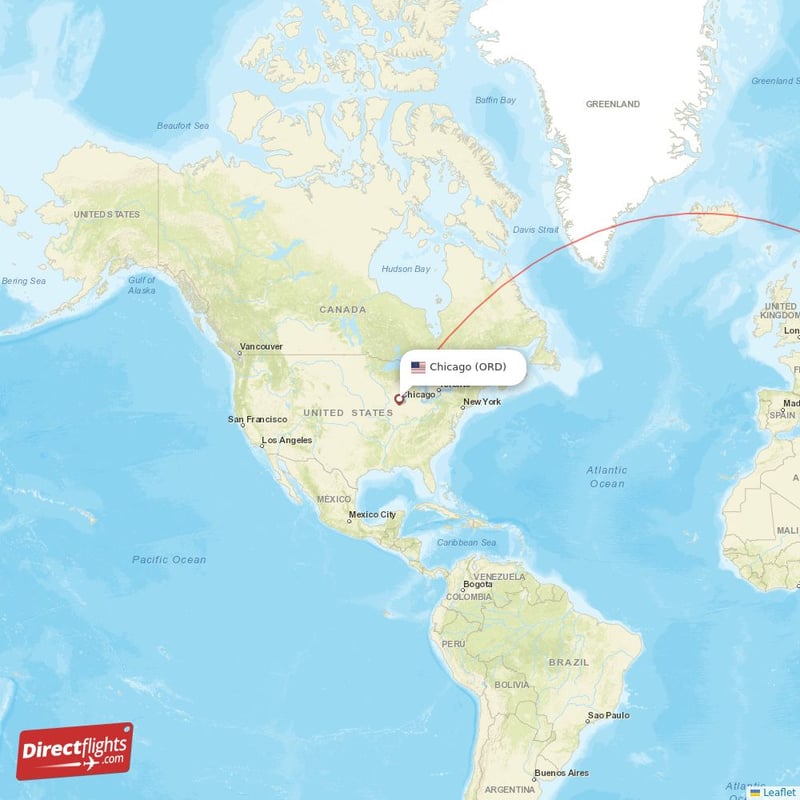
The flight from Chicago to Dubai crosses a significant number of time zones. Chicago observes Central Time (CT), while Dubai operates on Gulf Standard Time (GST), which is UTC+4. This is a difference of approximately 9 hours, with Dubai being ahead of Chicago. This considerable time difference means that upon arrival, travelers will need to adjust to a substantially different daily schedule, which can lead to jet lag.
Managing Jet Lag
To mitigate the effects of jet lag:
- Adjust Your Sleep Schedule: In the days leading up to your flight, begin to gradually adjust your sleep and wake times to align with Dubai’s schedule.
- Stay Hydrated: As mentioned earlier, proper hydration is crucial.
- Embrace Local Time: Upon arrival in Dubai, try to expose yourself to daylight and stay awake until a reasonable local bedtime. Avoid long naps during the day.
- Light Exercise: Gentle physical activity can help your body adjust to the new time zone.
Understanding the exact flight duration, accounting for potential layovers, and preparing for the demands of a long-haul journey are all critical components of a well-executed trip from Chicago to Dubai. By considering these factors, travelers can ensure their experience is as seamless and enjoyable as possible, setting the stage for a memorable exploration of the dazzling city of Dubai.
LifeOutOfTheBox is a participant in the Amazon Services LLC Associates Program, an affiliate advertising program designed to provide a means for sites to earn advertising fees by advertising and linking to Amazon.com. Amazon, the Amazon logo, AmazonSupply, and the AmazonSupply logo are trademarks of Amazon.com, Inc. or its affiliates. As an Amazon Associate we earn affiliate commissions from qualifying purchases.