
Understanding the flight duration between major metropolitan areas is a cornerstone of efficient travel planning. For those looking to journey from the Washington D.C. metropolitan area to the vibrant city of Chicago, knowing the typical flight time is essential for arranging airport transfers, scheduling meetings, or simply setting expectations for a comfortable travel day. This guide delves into the specifics of this common domestic route, offering insights beyond just the block time.
Average Flight Duration and Factors Influencing It
The direct flight time from Washington D.C. to Chicago is remarkably consistent, typically falling within a narrow window.
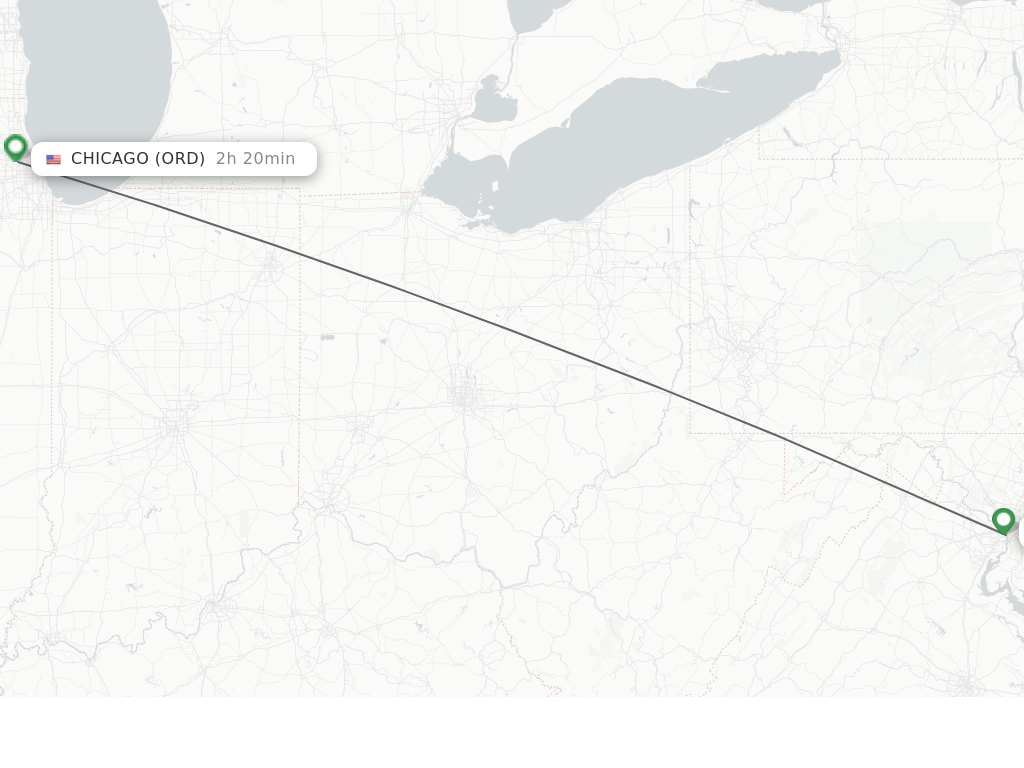
Standard Flight Times
For non-stop flights, the journey from Washington Dulles International Airport (IAD) or Ronald Reagan Washington National Airport (DCA) to Chicago O’Hare International Airport (ORD) generally ranges from 2 hours and 15 minutes to 2 hours and 45 minutes. This figure represents the time spent in the air.
Key Influencing Factors
While the average flight time provides a solid baseline, several elements can subtly alter the actual duration of your flight:
- Aircraft Type and Speed: Different aircraft models have varying cruising speeds. Larger, more modern jets might shave off a few minutes compared to older or smaller aircraft.
- Headwinds and Tailwinds: This is perhaps the most significant variable for flight duration. Flying east to west, as this route often involves, can sometimes encounter headwinds that extend the flight time. Conversely, flying west to east can benefit from tailwinds, shortening the duration. The strength and direction of these atmospheric currents are constantly monitored by air traffic control and pilots.
- Air Traffic Congestion: Both departure and arrival airports can experience periods of heavy air traffic. Delays in taxiing to the runway, holding patterns before landing, or navigating busy airspace can add minutes to the overall journey, even if the airborne time remains constant.
- Flight Path and Air Traffic Control: Air traffic controllers constantly optimize flight paths for safety and efficiency. While direct routes are usually prioritized, occasional detours due to weather or air traffic density can influence the total time.
- Time of Day and Day of Week: Flights during peak travel times (early mornings, late afternoons, Fridays, Sundays) may experience more congestion, potentially leading to slightly longer taxi times or holding patterns.
Considering Connecting Flights
While direct flights are the most convenient and quickest option, connecting flights are also prevalent on the Washington D.C. to Chicago route, especially for travelers originating from smaller airports in the D.C. metropolitan area or seeking different price points.
Impact of Layover Cities
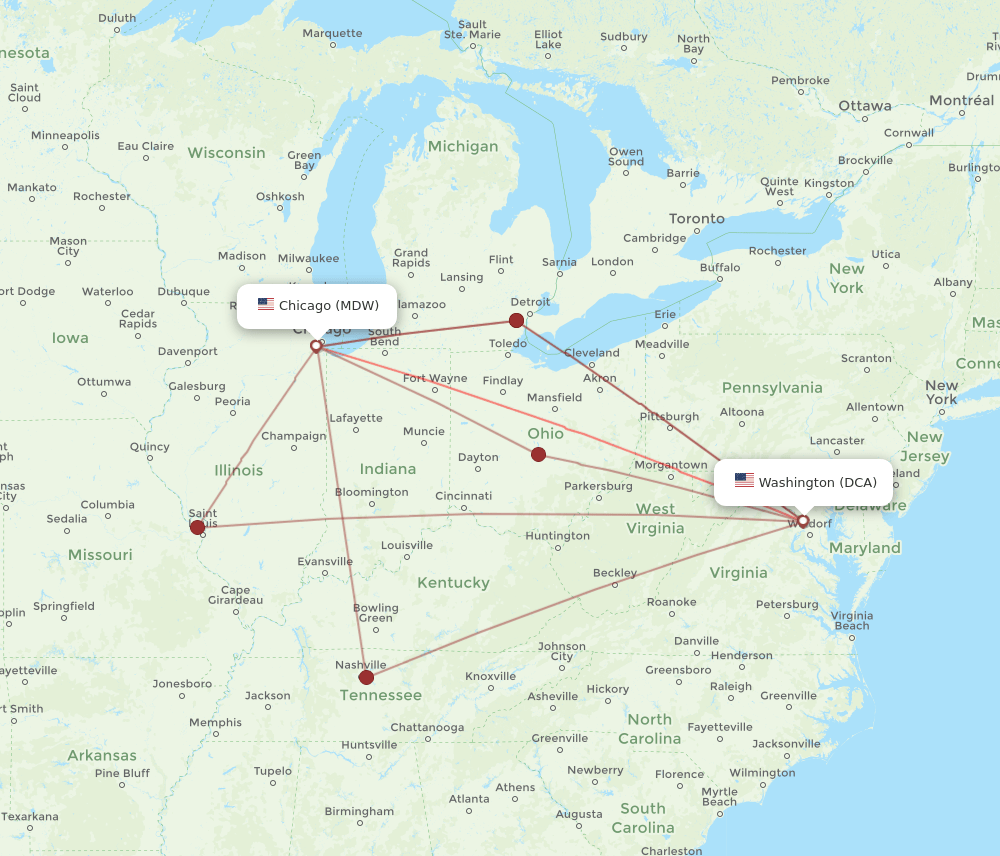
Connecting flights inevitably add significant time to the overall travel duration. The length of the layover is the primary determinant, but the efficiency of the connecting airport also plays a role. Common layover cities for this route might include:
- Charlotte Douglas International Airport (CLT): A major hub for American Airlines, it’s a frequent stop for flights originating from the East Coast.
- Atlanta Hartsfield-Jackson International Airport (ATL): A dominant hub for Delta Air Lines, known for its extensive network.
- Detroit Metropolitan Wayne County Airport (DTW): Another significant hub for Delta, often used for routes connecting the Northeast and Midwest.
Total Travel Time with Connections
When factoring in a layover, the total travel time can easily extend from 4 hours to 8 hours or more. This includes:
- Flight time to the connecting city.
- Layover duration: This can range from a brief 45 minutes to several hours, depending on the booking.
- Flight time from the connecting city to Chicago.
- Time for deplaning, navigating the connecting airport, and re-boarding.
It is crucial to carefully review the total itinerary when booking connecting flights, paying close attention to the layover time, especially if you have tight connections or require time to deplane and re-board with luggage.
Planning Your Journey: Beyond Flight Time
While understanding flight duration is critical, a smooth travel experience from Washington D.C. to Chicago involves more than just airborne minutes.
Airport Choice and Logistics
Washington D.C. is served by three major airports: Ronald Reagan Washington National Airport (DCA), Washington Dulles International Airport (IAD), and Baltimore/Washington International Thurgood Marshall Airport (BWI). Each has its own advantages and disadvantages regarding flight availability, airline hubs, and accessibility from different parts of the metropolitan area.
- DCA: Offers a prime location and often a high number of short-haul flights. However, it has perimeter rules that can limit long-haul domestic flights.
- IAD: A major international gateway and a hub for several airlines, it generally offers more flight options for routes like Chicago, but it is located further from the city center.
- BWI: While technically in Maryland, it serves the wider Washington D.C. metropolitan area and can offer competitive pricing and flight options, often being a hub for Southwest Airlines.
In Chicago, O’Hare International Airport (ORD) is the primary destination for most flights from the D.C. area. It is a massive hub with extensive ground transportation options, including the CTA ‘L’ train, taxis, and ride-sharing services, to get you into the city.
Timing Your Travel
To optimize your travel, consider:
- Booking in Advance: Securing your tickets well in advance can often lead to better fares and more desirable flight times.
- Day of the Week: Mid-week flights (Tuesdays and Wednesdays) are often less expensive and less crowded than weekend flights.
- Time of Day: Early morning or late-night flights might offer lower prices but require adjustments to your schedule.
- Airport Arrival: For domestic flights, arriving at the airport at least two hours before departure is generally recommended, especially at larger airports like those in the D.C. area and Chicago.
Preparing for Your Flight
A well-prepared traveler is a less stressed traveler. Here are some tips to ensure your journey from Washington D.C. to Chicago is as smooth as possible.
Carry-On and Checked Baggage
Familiarize yourself with the baggage policies of your chosen airline. Regulations regarding carry-on size and weight, as well as the fees for checked baggage, can vary significantly. Packing efficiently can save you money and hassle. Many airlines now charge for checked bags, making a well-packed carry-on an attractive option for this relatively short flight.
In-Flight Amenities and Entertainment
While the flight duration is under three hours, most major airlines offer some form of in-flight entertainment, such as personal seat-back screens or Wi-Fi connectivity for streaming on your own devices. Bringing a book, downloaded podcasts, or work to catch up can also make the time pass quickly. Consider packing a portable charger to keep your devices powered throughout the journey.

Navigating Arrival in Chicago
Upon arrival at Chicago O’Hare International Airport, you’ll have several convenient options to reach your final destination in the city. The CTA Blue Line train offers a direct and cost-effective route from the airport to downtown Chicago, typically taking around 45 minutes. Taxis and ride-sharing services are also readily available and offer a more direct, albeit more expensive, journey. If your destination is further afield or you prefer the convenience, pre-booking a shuttle service or renting a car are also viable options. Understanding these ground transportation choices in advance will save you time and potential stress upon landing.
In conclusion, the flight from Washington D.C. to Chicago is a brief but significant domestic travel segment. By understanding the average flight times, the factors that influence them, and planning accordingly, travelers can ensure a seamless and efficient journey between these two influential American cities.
LifeOutOfTheBox is a participant in the Amazon Services LLC Associates Program, an affiliate advertising program designed to provide a means for sites to earn advertising fees by advertising and linking to Amazon.com. Amazon, the Amazon logo, AmazonSupply, and the AmazonSupply logo are trademarks of Amazon.com, Inc. or its affiliates. As an Amazon Associate we earn affiliate commissions from qualifying purchases.