
The journey across the Atlantic from the historic charm of London to the architectural marvels of Chicago is a transatlantic leap that many travelers undertake for business or leisure. Understanding the flight duration is a crucial piece of information for planning any itinerary, whether you’re aiming to maximize your time exploring the Windy City or ensuring you arrive in London well-rested for your onward journey. While the direct flight is the most sought-after option for its efficiency, various factors can influence the total travel time, making it essential to consider more than just the time spent airborne.

The primary determinant of flight duration is, of course, the type of flight. Direct flights offer the most straightforward answer, minimizing transit stops and often providing the quickest route between these two major global cities. However, connecting flights, while sometimes more budget-friendly, invariably add significant time to the overall travel experience. Understanding these differences is key to setting realistic expectations for your transatlantic voyage.
Direct Flight Durations: The Swift Transatlantic Crossing
For travelers prioritizing speed and convenience, direct flights from London to Chicago are the ideal choice. These non-stop services bypass the complexities and delays associated with layovers, allowing for a more predictable and often more comfortable journey.
Typical Time in the Air
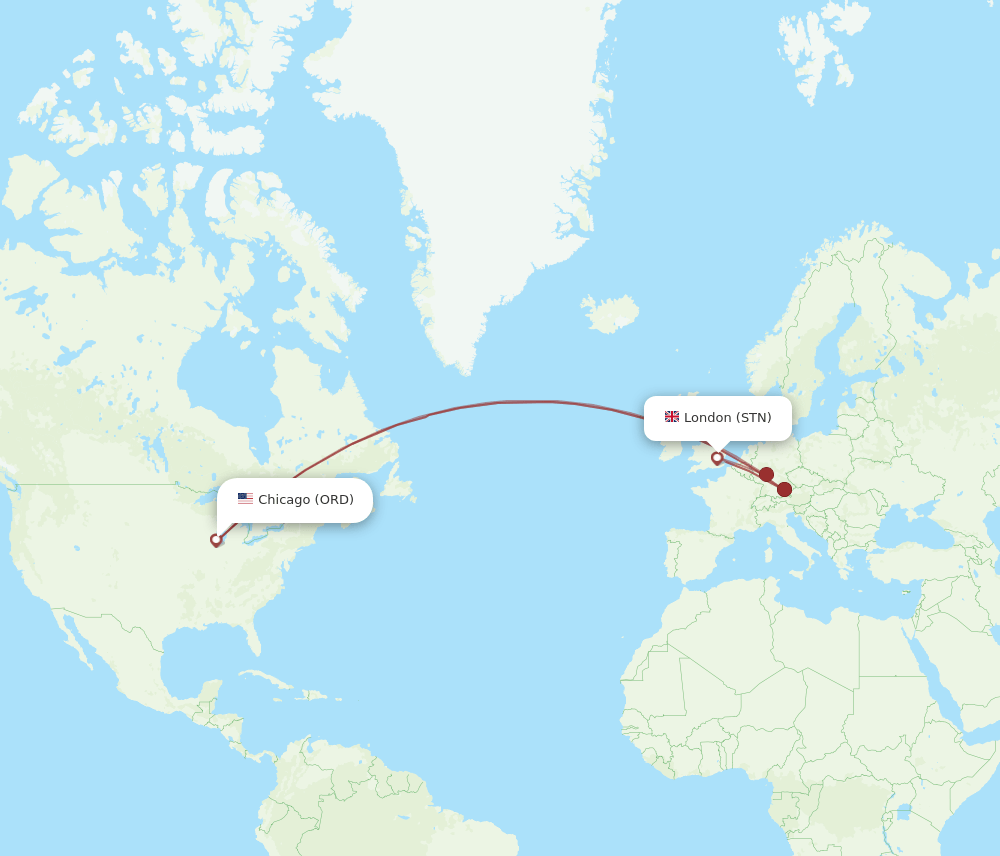
A direct flight from London Heathrow Airport (LHR) or London Gatwick Airport (LGW) to Chicago O’Hare International Airport (ORD) typically spans approximately 7.5 to 8.5 hours. This figure represents the actual time the aircraft is in the air. Several airlines operate this route, including major carriers like British Airways and United Airlines, with their schedules and specific aircraft types contributing to minor variations in flight time.
Factors Influencing Direct Flight Speed
While the 7.5 to 8.5-hour window is a reliable estimate, several dynamic factors can subtly alter the flight duration:
- Jet Streams: The prevailing winds at cruising altitudes, known as jet streams, play a significant role. Flying eastward from Chicago to London, flights often benefit from tailwinds, making the journey shorter. Conversely, flying westward from London to Chicago, the flight may encounter headwinds, extending the time in the air. This phenomenon can account for differences of up to an hour in flight time between the eastbound and westbound routes.
- Aircraft Type: Modern aircraft are designed for efficiency and speed. Larger, more advanced planes might offer slightly faster cruising speeds, shaving off a few minutes. However, the impact of aircraft type on the overall duration is generally less pronounced than that of jet streams.
- Air Traffic Control: Busy air corridors, particularly around major hubs like Chicago O’Hare, can sometimes lead to minor delays in approach or departure. While air traffic control strives for seamless operations, unforeseen congestion can add a few minutes to the total flight time.
- Weather Conditions: Severe weather patterns, though rare for direct transcontinental flights, can necessitate rerouting or slight adjustments to flight paths, impacting the overall duration.
Connecting Flights: Navigating Layover Time
While direct flights offer the ultimate in efficiency, connecting flights provide an alternative for travelers seeking more flexible scheduling or potentially lower fares. However, these journeys introduce the variable of layover time, which can significantly extend the total travel duration.
Calculating Total Travel Time
When considering a connecting flight, the total travel time encompasses:
- Flight Time: The sum of the durations of each flight segment.
- Layover Duration: The time spent at the connecting airport. This can range from a brief 60-minute window to several hours, depending on the specific itinerary.
- Time for Transfers: This includes deplaning, navigating the connecting airport, potentially clearing security again, and boarding the next flight.
Common Connecting Hubs and Impact on Duration

Flights from London to Chicago with a single stop often connect through major European or North American hubs. Common layover cities include:
- Dublin (DUB): Often chosen for its pre-clearance immigration facilities, allowing passengers to clear US customs and immigration in Ireland, making their arrival in Chicago feel like a domestic flight.
- Reykjavik (KEF): Icelandair frequently uses Keflavik as a hub, offering a more northerly route.
- Major European Cities: Airports like Amsterdam Schiphol (AMS), Paris Charles de Gaulle (CDG), and Frankfurt Airport (FRA) are common connection points for airlines like KLM, Air France, and Lufthansa.
- Canadian Cities: Toronto Pearson International Airport (YYZ) can also serve as a transit point.
The layover duration in these hubs can vary dramatically. A short connection might be as little as 1.5 to 2 hours, while a longer layover could span 4 to 8 hours or even more, especially if it’s a strategically booked overnight stop. Consequently, a connecting flight from London to Chicago can easily take anywhere from 10 to 18+ hours in total.
Considerations for Connecting Flights
When booking a connecting flight, several aspects warrant attention:
- Minimum Connection Time (MCT): Airlines and airports establish MCTs to ensure passengers have enough time to transfer. It’s crucial to book itineraries that comfortably exceed the MCT, especially at large or complex airports.
- Airport Size and Layout: Navigating a vast airport like Amsterdam Schiphol or Frankfurt Airport can take longer than transferring through a smaller facility. Familiarizing yourself with airport maps beforehand can be beneficial.
- Immigration and Customs: If your layover involves changing countries, you might need to go through immigration and customs procedures, adding substantial time.
- Baggage Transfer: Ensure your baggage is checked through to Chicago. While usually seamless, occasional issues can arise, particularly with multiple airline partners.
Planning Your Arrival: Maximizing Your Time in Chicago
Knowing the flight duration is foundational to planning your arrival in Chicago. Whether you opt for a direct or connecting flight, this understanding allows for better logistical arrangements and ensures a smoother transition into your Chicago adventure.
Time Zone Differences
A significant aspect of arrival planning is accounting for the time zone difference. Chicago operates on Central Daylight Time (CDT) or Central Standard Time (CST), which is 6 hours behind Greenwich Mean Time (GMT), the primary time zone for London. This means if you depart London at 10:00 AM GMT, you will arrive in Chicago at approximately 1:00 PM CDT on the same calendar day, considering an 8-hour flight. This time difference is crucial for setting alarms, scheduling meetings, and managing any potential jet lag.
Arrival Procedures at O’Hare International Airport
Upon landing at Chicago O’Hare International Airport (ORD), travelers will typically proceed through U.S. Customs and Immigration. If you have utilized pre-clearance facilities in a city like Dublin, this process is significantly expedited. Otherwise, expect to spend some time in the immigration hall. After clearing immigration, you will collect your checked luggage before proceeding through customs. Once through customs, you are free to enter the public areas of the airport.
Ground Transportation Options from O’Hare
Chicago offers a range of efficient ground transportation options from O’Hare International Airport:
- Chicago Transit Authority (CTA) ‘L’ Train: The Blue Line provides a direct and economical link to downtown Chicago. The journey takes approximately 40-50 minutes and runs 24/7.
- Taxis and Ride-Sharing Services: Available at designated pick-up areas, these offer a more convenient but typically more expensive option to reach your final destination.
- Car Rentals: Several major car rental companies operate at O’Hare, providing flexibility for exploring the city and surrounding areas at your own pace.
- Airport Shuttles: Various shuttle services offer shared or private transfers to hotels and specific locations within the city.
By carefully considering the flight duration and these arrival and transportation factors, you can ensure a seamless transition from your transatlantic flight to the vibrant heart of Chicago.
LifeOutOfTheBox is a participant in the Amazon Services LLC Associates Program, an affiliate advertising program designed to provide a means for sites to earn advertising fees by advertising and linking to Amazon.com. Amazon, the Amazon logo, AmazonSupply, and the AmazonSupply logo are trademarks of Amazon.com, Inc. or its affiliates. As an Amazon Associate we earn affiliate commissions from qualifying purchases.