
Embarking on a journey from the vibrant heart of the American Midwest, specifically Chicago, to the sun-drenched landscapes and historic cities of Italy is a dream for many. Understanding the duration of this trans-Atlantic voyage is a fundamental aspect of planning this significant trip. While a precise number can fluctuate based on numerous variables, this guide aims to provide a comprehensive overview of flight times from Chicago O’Hare International Airport to various Italian gateways.
Direct vs. Connecting Flights: The Primary Determinants of Travel Time
The most significant factor influencing the total travel time from Chicago to Italy is whether your itinerary includes direct or connecting flights. This choice directly impacts both the in-air duration and the overall time spent from departure to arrival.

Non-Stop Flights: The Fastest Route
For travelers prioritizing speed and efficiency, non-stop flights are the ideal option. These direct services bypass layovers, allowing you to reach your Italian destination with minimal interruptions.
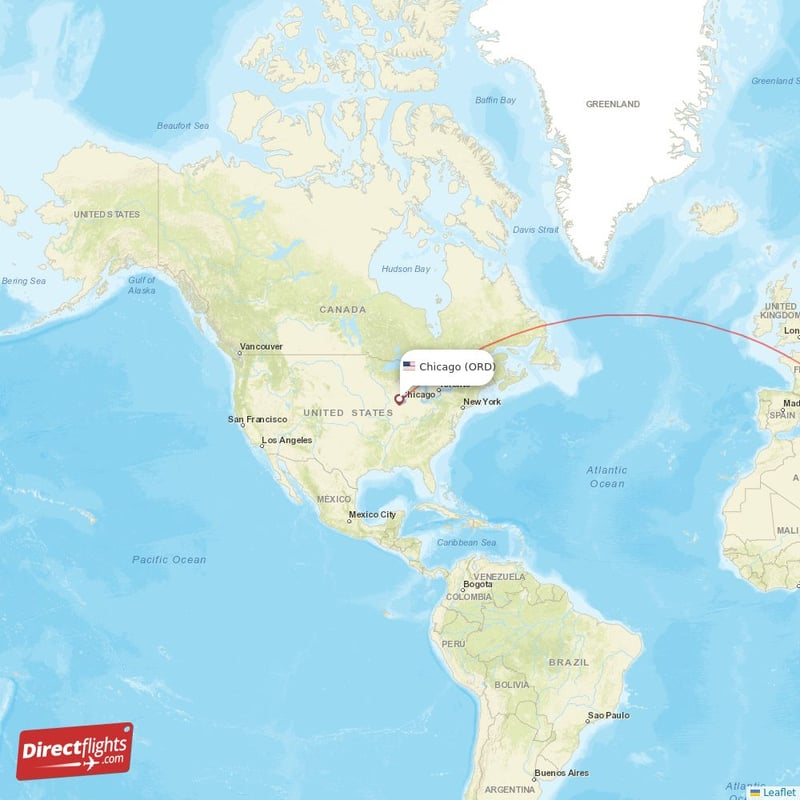
- Typical Duration: Non-stop flights from Chicago O’Hare International Airport to major Italian cities such as Rome Fiumicino Airport, Milan Malpensa Airport, or Venice Marco Polo Airport generally range from 7.5 to 9 hours.
- Factors Affecting Duration:
- Aircraft Type: Larger, more efficient aircraft can sometimes facilitate slightly shorter flight times.
- Wind Conditions: Tailwinds can significantly reduce flight duration, while headwinds can extend it. These are dynamic and can vary on any given day.
- Flight Path: While generally standardized, slight variations in the optimal flight path due to air traffic control or weather patterns can influence the total airborne time.
- Airlines Offering Direct Services: Historically, airlines such as United Airlines and formerly Alitalia (now merged into ITA Airways) have operated direct routes from Chicago to Italy. It’s always advisable to check current flight schedules with major carriers for the most up-to-date information.
Flights with One or More Stops: Extended Travel
Connecting flights, while often more budget-friendly, invariably extend the total travel time. These journeys involve a layover in a third city, which can be within the United States or in another European hub.
- Total Travel Time: With one or more stops, the total travel time from Chicago to Italy can range from 10 hours to well over 20 hours. This includes the flight segments and the layover duration.
- Common Layover Cities: Popular layover points for flights from Chicago to Italy include:
- European Hubs: Amsterdam Schiphol Airport, Paris Charles de Gaulle Airport, Frankfurt Airport, London Heathrow Airport, and Dublin Airport.
- US Hubs: Occasionally, flights may connect through other major US cities before crossing the Atlantic.
- Layover Duration: The length of a layover is a critical factor. Short layovers (e.g., 1-2 hours) can be stressful, especially if you need to change terminals or go through security again. Longer layovers (e.g., 4+ hours) can offer opportunities for a brief exploration of the transit city or a relaxed meal, but they significantly increase the overall journey time.
- Considerations for Connecting Flights:
- Baggage Transfer: Ensure your baggage is checked through to your final destination in Italy. This is standard practice on most international itineraries but is worth confirming.
- Terminal Changes: Be aware of potential terminal changes at your layover airport. Some airports, like Paris Charles de Gaulle Airport, can be vast, requiring significant time to navigate.
- Visa Requirements: For certain nationalities and layover locations, transit visas might be necessary. Always check the regulations for your specific passport and the country of your layover.
Factors Influencing Flight Duration
Beyond the direct versus connecting flight dichotomy, several other elements can subtly influence how long you spend in the air.
Flight Path and Jet Streams
The Earth’s atmosphere is a dynamic environment, and flight paths are meticulously planned to take advantage of or mitigate the effects of prevailing winds.
- Jet Streams: These fast-flowing, narrow air currents in the upper atmosphere play a crucial role. Flying eastward, as is the case from Chicago to Italy, often means benefiting from powerful tailwinds provided by the jet stream. This can shave off valuable time from the flight. Conversely, westward travel typically battles headwinds, extending flight durations.
- Air Traffic Control: The intricate network of air traffic control systems globally dictates the precise routes aircraft can take. While aiming for the most efficient path, factors like congestion over busy airspaces (e.g., over North America or Europe) can lead to slight deviations or holding patterns, subtly affecting flight times.
- Weather Patterns: Severe weather systems, such as thunderstorms or hurricanes, can necessitate detours to ensure passenger safety and a smooth flight. These deviations add mileage and, consequently, time to the journey.
Aircraft Type and Airline Efficiency
While less impactful than direct versus connecting flights, the aircraft itself and the airline’s operational efficiency can contribute minor differences.
- Aircraft Technology: Modern aircraft are designed for fuel efficiency and speed. Newer models might be capable of slightly faster cruising speeds or more direct routing due to advanced navigation systems.
- Airline Operations: An airline’s ground operations and flight planning efficiency can also play a small role. Factors like timely boarding, efficient taxiing on the tarmac, and optimized cruising altitudes are all part of the operational equation.
Planning Your Travel Day: Beyond the In-Air Time
When considering “how long” the flight is, it’s essential to think holistically about the entire travel day. This encompasses more than just the hours spent at cruising altitude.
Pre-Flight Preparations
The time spent before boarding the aircraft is a critical part of your travel experience.
- Airport Arrival: For international flights, it is strongly recommended to arrive at Chicago O’Hare International Airport at least 3 hours before your scheduled departure. This allows ample time for check-in, security screening, and navigating the terminal to your gate.
- Security and Immigration: Security procedures can be unpredictable. The time required for screening can vary significantly depending on the day of the week, time of day, and staffing levels.
- Boarding Process: The boarding process itself takes time, often starting 45-60 minutes before departure.
Post-Flight Procedures
Upon landing in Italy, your journey isn’t immediately over.
- Deplaning: Exiting the aircraft can take several minutes, especially on larger planes.
- Immigration and Customs: Navigating immigration and customs at your arrival airport in Italy (e.g., Rome Fiumicino Airport or Milan Malpensa Airport) can be a lengthy process, particularly during peak travel times. Allow at least 1 to 2 hours for this.
- Baggage Claim: Waiting for your luggage to appear on the carousel can add another 20-45 minutes.
- Ground Transportation: Once you have your luggage, you’ll need to arrange transportation to your final destination. This could involve taxi services, airport trains (like the Leonardo Express to central Rome), or pre-booked transfers, each with its own travel time.
Sample Total Travel Times
To illustrate, let’s consider a couple of scenarios:
-
Scenario 1: Non-Stop Flight to Rome
- Flight Time: 8 hours
- Pre-Flight (Airport Arrival, Security, Boarding): 3 hours
- Post-Flight (Deplaning, Immigration, Customs, Baggage Claim): 1.5 hours
- Total Travel Day Time: Approximately 12.5 hours
-
Scenario 2: One-Stop Flight to Florence (via Amsterdam)
- Flight Segment 1 (Chicago to Amsterdam): 7 hours
- Layover in Amsterdam: 4 hours
- Flight Segment 2 (Amsterdam to Florence Airport): 1.5 hours
- Pre-Flight (Airport Arrival, Security, Boarding): 3 hours
- Post-Flight (Deplaning, Immigration, Customs, Baggage Claim): 1.5 hours
- Total Travel Day Time: Approximately 17 hours
Navigating Your Arrival in Italy
Once you’ve landed and navigated the immediate post-flight procedures, you’ll be ready to begin your Italian adventure. The time difference between Chicago and Italy is significant (typically 7-8 hours, depending on daylight saving time), which can contribute to jet lag. Planning your arrival time strategically, perhaps aiming for an afternoon or early evening arrival, can help ease the transition and allow you to settle into your accommodation before nighttime.
Whether you opt for the swift efficiency of a direct flight or the potentially more economical yet longer route of a connecting journey, understanding these variables is key to managing your expectations and planning a smooth and enjoyable trip from the Windy City to the heart of Europe.
LifeOutOfTheBox is a participant in the Amazon Services LLC Associates Program, an affiliate advertising program designed to provide a means for sites to earn advertising fees by advertising and linking to Amazon.com. Amazon, the Amazon logo, AmazonSupply, and the AmazonSupply logo are trademarks of Amazon.com, Inc. or its affiliates. As an Amazon Associate we earn affiliate commissions from qualifying purchases.