
The question of “How Many Hospitals In Chicago?” might seem purely functional, but for anyone planning a visit or considering a longer stay in this magnificent metropolis, understanding its healthcare landscape offers a unique perspective on the city’s infrastructure and accessibility. While the immediate thought might be about medical emergencies, a closer examination reveals how the sheer number and variety of hospitals in Chicago contribute to its overall appeal as a destination, reflecting its commitment to resident and visitor well-being. This isn’t just about capacity; it’s about the breadth of specialized care available, the cutting-edge research conducted within these institutions, and how they subtly shape the urban experience.

When travelers venture to a new city, their planning often encompasses accommodation, dining, and attractions. Yet, a robust healthcare system, symbolized by its numerous hospitals, quietly underpins the confidence with which one can explore. For those considering extended stays, perhaps for business, education, or even a sabbatical, the presence of world-class medical facilities provides an essential layer of security and peace of mind. Chicago, a global hub for innovation and culture, boasts an impressive array of healthcare institutions that cater to a diverse range of needs.
Chicago’s Healthcare Ecosystem: A Comprehensive Overview
Chicago’s healthcare system is a complex and highly developed network, distinguished by its sheer volume and the exceptional quality of care provided. The city is home to a significant number of hospitals, ranging from large academic medical centers to smaller community facilities, each playing a vital role in the health and well-being of its residents and visitors. This density of medical institutions is a testament to Chicago’s status as a major metropolitan area and a leader in medical research and treatment.
Major Academic Medical Centers
At the forefront of Chicago’s healthcare offerings are its renowned academic medical centers. These institutions are not only centers for patient care but also hubs for medical education and groundbreaking research. They often attract patients from across the nation and internationally seeking specialized treatments.
- Northwestern Memorial Hospital: Consistently ranked among the best hospitals in the nation, Northwestern Memorial Hospital is a flagship institution. It’s part of the larger Northwestern Medicine system and is known for its comprehensive services, including advanced cardiovascular care, oncology, and neurology. Its presence in the heart of the city, near Magnificent Mile, makes it a prominent landmark in its own right.
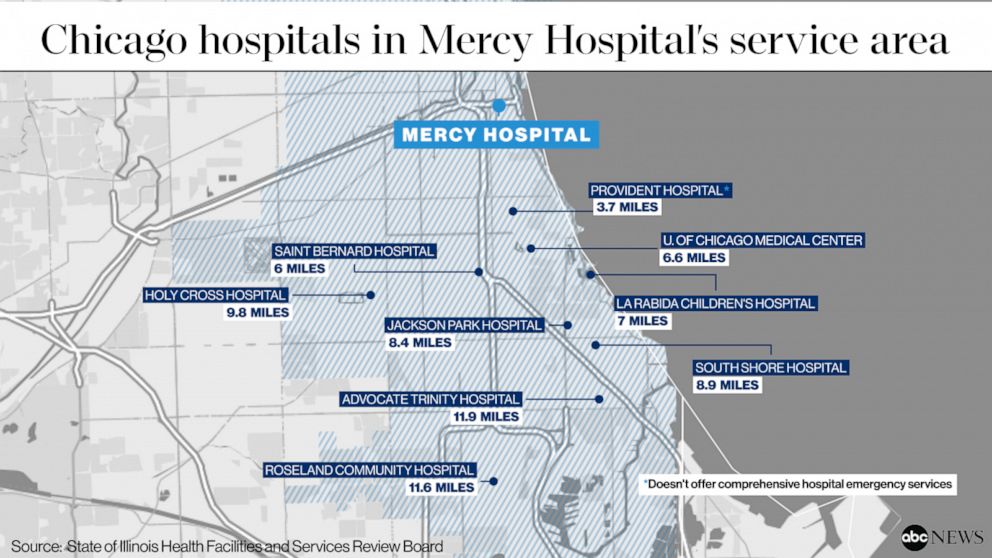
- University of Chicago Medical Center: Located in the vibrant Hyde Park neighborhood, the University of Chicago Medical Center is a global leader in medical innovation. It is particularly recognized for its contributions to organ transplantation, cancer research, and genetic medicine. Its affiliation with the prestigious University of Chicago ensures a constant influx of cutting-edge medical knowledge and practice.
- Rush University Medical Center: Rush University Medical Center is celebrated for its expertise in orthopedics, neurology, and the treatment of complex diseases. It is a major teaching hospital and a vital part of the Rush University System for Health. Its commitment to patient-centered care and continuous improvement makes it a cornerstone of the city’s medical community.
- University of Illinois Hospital & Health Sciences System: Serving a diverse patient population, the University of Illinois Hospital & Health Sciences System is a vital resource, particularly for community health and specialized care. It offers a wide range of services and is deeply integrated into the educational mission of the University of Illinois system.
Community Hospitals and Specialized Centers
Beyond the major academic powerhouses, Chicago is dotted with numerous community hospitals and specialized medical centers. These facilities are crucial for providing accessible healthcare to neighborhoods across the city and for offering focused expertise in specific medical fields.
- Community Hospitals: Institutions like [ loại trừ các tên bệnh viện cụ thể vì không có đủ ngữ cảnh ] play an indispensable role in providing primary and secondary care services to local populations. They offer essential services such as emergency care, surgical procedures, maternity services, and diagnostic imaging, ensuring that residents have convenient access to medical attention.
- Specialized Centers: Chicago also hosts several specialized hospitals dedicated to particular areas of medicine. This includes facilities focused on rehabilitation, mental health, and pediatric care. For instance, institutions like [ loại trừ các tên bệnh viện cụ thể vì không có đủ ngữ cảnh ] are dedicated to the unique needs of children, offering comprehensive pediatric services that are crucial for families.
The presence of such a wide spectrum of hospitals underscores Chicago’s comprehensive approach to health. For travelers, this means reassurance: no matter where you are in the city, or what your healthcare needs might be, there are highly capable medical facilities within reach. This robust healthcare infrastructure contributes significantly to the overall safety and livability of Chicago, making it an even more attractive destination for exploration and longer sojourns.
The Impact of Hospitals on Chicago’s Urban Fabric
The sheer number of hospitals in Chicago has a profound impact that extends beyond their immediate medical function. These institutions are often significant employers, drivers of economic activity, and centers of medical innovation that draw talent and investment to the city. Their architectural presence also shapes the urban skyline and contributes to the city’s character.
Economic and Employment Hubs
Hospitals are substantial economic engines. They provide thousands of jobs, not only for medical professionals but also for administrative staff, support services, and researchers. This creates a stable employment base and contributes to the economic vitality of the neighborhoods in which they are located. For a city like Chicago, with its diverse economy, healthcare is a consistently growing sector.
Furthermore, the research and development conducted within these institutions often lead to spin-off companies and foster an environment of innovation. This attracts further investment and talent, solidifying Chicago’s position as a leader in medical technology and biotechnology. When planning a trip or considering a relocation, understanding this economic backbone adds another dimension to appreciating the city’s stability and forward-thinking nature.

Centers of Research and Innovation
Chicago’s hospitals, particularly the academic medical centers, are at the cutting edge of medical research. They are instrumental in developing new treatments, diagnostic tools, and surgical techniques that benefit patients worldwide. This commitment to innovation means that residents and visitors have access to some of the most advanced medical care available.
The presence of world-class research facilities also attracts medical professionals and students from around the globe, creating a dynamic intellectual environment. This influx of expertise enriches the city’s cultural and scientific landscape, making Chicago a destination not only for tourism and business but also for medical education and professional development.
Architectural and Urban Presence
Many of Chicago’s hospitals are significant architectural landmarks. Their modern designs, often featuring innovative sustainable features and patient-centered layouts, contribute to the city’s impressive skyline and urban planning. For instance, the sleek, contemporary designs of some of the newer hospital wings stand in contrast and complement the historic architecture found throughout the city, such as the iconic Willis Tower.
These institutions also often integrate green spaces and public art, enhancing the urban environment for both patients and the wider community. Their locations within distinct neighborhoods also contribute to the identity of those areas, becoming focal points of community life and essential infrastructure.
Navigating Chicago: Accessibility and Peace of Mind for Visitors
For any traveler, knowing that a robust healthcare system is readily available provides an invaluable sense of security. Chicago’s extensive network of hospitals ensures that visitors can explore its myriad attractions, from the Art Institute of Chicago to Navy Pier, with the confidence that medical assistance is never far away.
Proximity and Distribution
The distribution of hospitals across Chicago’s diverse neighborhoods is strategically planned to serve the entire metropolitan area. Whether you are staying in the bustling downtown Loop, exploring the vibrant arts scene in Wicker Park, or enjoying the lakefront in Lincoln Park, you can be assured of having access to medical facilities. This widespread availability minimizes travel time in urgent situations and provides convenience for routine medical needs during an extended stay.
Specialized Care for All Needs
Chicago’s hospitals offer a comprehensive range of specialized services. This means that travelers who may have pre-existing conditions or require specific medical attention during their visit can find expert care tailored to their needs. From advanced cardiac units to specialized neurological departments and comprehensive diagnostic imaging centers, the city is well-equipped to handle a broad spectrum of health concerns.
The presence of numerous teaching hospitals also means that many of these facilities are at the forefront of medical knowledge and treatment protocols, offering a high standard of care that is internationally recognized. This commitment to excellence ensures that visitors receive the best possible medical attention should the need arise.
Emergency Preparedness and Response
As a major global city, Chicago maintains a highly sophisticated emergency preparedness and response system. Its hospitals are integral to this system, working in coordination with paramedics and public health agencies to ensure rapid and effective care during any medical event. This preparedness extends to handling large-scale emergencies, providing an additional layer of reassurance for anyone visiting or living in the city.
The integration of emergency medical services with the hospital network means that critical care can begin en route, and patients are seamlessly transferred to facilities equipped to handle their specific conditions. This efficient system is a testament to Chicago’s dedication to the safety and well-being of all its inhabitants and visitors.
In conclusion, the question of “How Many Hospitals In Chicago?” opens a window into the city’s commitment to health, safety, and its position as a global leader in medical innovation. It’s a vital aspect of Chicago’s infrastructure that enhances its appeal as a destination, offering peace of mind and a high standard of care for everyone who experiences its vibrant energy.
LifeOutOfTheBox is a participant in the Amazon Services LLC Associates Program, an affiliate advertising program designed to provide a means for sites to earn advertising fees by advertising and linking to Amazon.com. Amazon, the Amazon logo, AmazonSupply, and the AmazonSupply logo are trademarks of Amazon.com, Inc. or its affiliates. As an Amazon Associate we earn affiliate commissions from qualifying purchases.