
The Chicago Marathon is more than just a race; it’s a colossal event that transforms the city into a vibrant tapestry of athletic endeavor and community spirit. Each year, hundreds of thousands of participants, from elite athletes to passionate amateurs, descend upon the Windy City with dreams of crossing the finish line. Understanding the sheer scale of this iconic event involves delving into the numbers, the logistics, and the profound impact it has on the city’s tourism and lifestyle.
The Phenomenal Participation Numbers
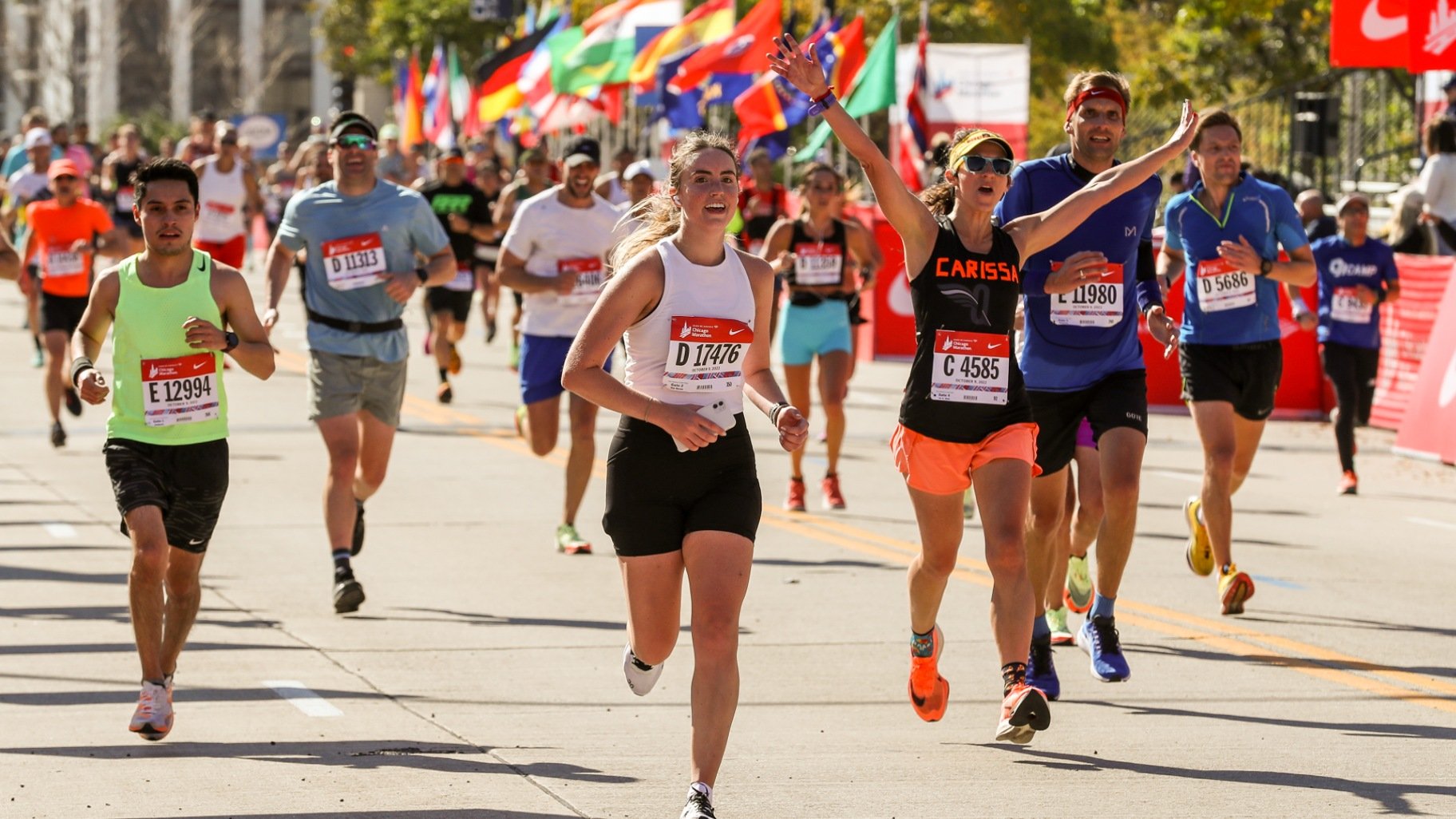
The question of “how many people run in the [Chicago Marathon]?” doesn’t have a single, static answer, as participation fluctuates annually based on various factors including qualification standards, entry processes, and global events. However, the trend consistently points towards massive engagement.
Elite Athlete Field
While the majority of runners are recreational, the presence of elite athletes is a significant draw and a cornerstone of the [Chicago Marathon]’s prestige. These world-class runners, often competing for substantial prize money and world records, typically number in the dozens, though the exact count can vary. Their participation elevates the race’s profile and attracts international media attention. These athletes represent the pinnacle of human endurance and often hail from athletic powerhouses like Kenya and Ethiopia, among other nations.
Open Division Participants
The bulk of the marathon’s participants fall into the open division, comprising runners of all ages and abilities. This diverse group is what truly defines the spirit of the event. Registration for the Chicago Marathon is highly sought after, and typically, tens of thousands of runners are accepted each year.
- Average Finishers: Historically, the number of individuals who successfully complete the 26.2-mile course hovers around the 40,000 to 45,000 mark. This figure represents those who not only start but also achieve their goal of finishing.
- Registration Numbers: The number of individuals who apply for or are accepted into the race can be even higher, reflecting the immense global interest in participating. Sometimes, the application pool can exceed 50,000 to 60,000 hopeful runners.
- Lottery System: Due to overwhelming demand, the Chicago Marathon often employs a lottery system for general entry, making securing a spot a competitive endeavor. This process underscores the desirability of the race.
Factors Influencing Participation
Several elements can influence the exact number of participants in any given year:
- Economic Conditions: Global economic trends can affect disposable income for travel and race entry fees.
- Public Health Concerns: As seen in recent years, global health crises can lead to cancellations, postponements, or modified event formats, impacting participation numbers.
- Race Capacity and Infrastructure: The city’s capacity to host such a large event, including medical support, aid stations, and crowd control, also plays a role in setting participation limits.
- Entry Deadlines and Qualification: The timing of registration deadlines and any specific qualification requirements (like achieving a certain time in a previous marathon) can also shape the final numbers.
The Logistics of Hosting a Massive Event
The sheer volume of runners in the Chicago Marathon necessitates an extraordinary level of planning and execution by event organizers, the city of Chicago, and numerous supporting organizations.
Course Management and Safety
The iconic marathon course winds through 29 diverse neighborhoods of Chicago, spanning approximately 26.2 miles. Managing this extensive route for tens of thousands of runners requires:
- Road Closures: Extensive road closures are implemented to ensure runner safety and facilitate smooth passage. This impacts city traffic significantly on race day and often requires detailed public advisement.
- Aid Stations: Strategically placed aid stations are crucial, providing hydration (water, sports drinks) and medical support. For tens of thousands of runners, these stations must be well-stocked and efficiently managed.
- Medical Support: A vast network of medical personnel, including doctors, nurses, paramedics, and first responders, are on standby along the course and at the finish line to address any health emergencies.
- Volunteer Force: The event relies on an enormous team of volunteers, often numbering in the thousands, to staff aid stations, direct runners, manage information booths, and assist with overall organization.
Technology and Race Day Operations
Modern marathons leverage technology to enhance the participant and spectator experience:
- Timing Systems: Advanced timing chips are used to accurately record the start and finish times of each runner, often providing split times at various checkpoints.
- Participant Tracking: Many runners and their families utilize mobile apps that allow for real-time tracking of participants as they progress through the course.
- Communication Networks: Robust communication systems are essential for coordinating event staff, emergency services, and volunteers across the sprawling race route.
The Economic and Tourism Impact
The Chicago Marathon is a major economic engine for the city, drawing a significant influx of visitors and boosting various sectors of the local economy.
Accommodation and Hospitality

The surge in participants and their accompanying friends and family members creates a substantial demand for accommodation.
- Hotel Bookings: Hotels across Chicago, from downtown luxury establishments like the Palmer House Hotel to more budget-friendly options in surrounding neighborhoods, experience peak occupancy during the marathon weekend. Many hotels offer special packages or amenities for runners.
- Airbnb and Short-Term Rentals: The demand also extends to short-term rental platforms, providing alternative lodging options for visitors.
- Restaurants and Entertainment: The influx of people directly benefits the city’s vibrant culinary scene and entertainment venues. Restaurants often see increased patronage, and local businesses experience a boost in sales.
Local Businesses and Retail
Beyond hospitality, the marathon impacts a wider range of local businesses:
- Sporting Goods Stores: Retailers specializing in running gear, apparel, and accessories often see a significant increase in sales in the weeks leading up to and during the event.
- Souvenir Shops: Tourists and participants alike seek out mementos of their experience, benefiting shops selling Chicago-themed merchandise.
- Transportation Services: The increased movement of people throughout the city provides business for taxis, ride-sharing services, and public transportation.
Event Tourism and City Branding
The Chicago Marathon is a globally recognized event that positions Chicago as a premier destination for sports tourism.
- International Appeal: The race attracts participants and spectators from all corners of the globe, introducing them to the city’s attractions, culture, and hospitality. This global exposure enhances Chicago’s international profile.
- Positive City Image: The successful execution of such a large-scale event contributes to a positive perception of Chicago as a well-organized, vibrant, and welcoming city.
- Community Engagement: The marathon fosters a strong sense of community pride, with residents lining the streets to cheer on runners, creating an electric atmosphere that enhances the overall visitor experience.
Preparing for Race Day: A Runner’s Perspective
For the tens of thousands of individuals who participate, the Chicago Marathon represents the culmination of months, if not years, of dedicated training. The journey to the starting line is as significant as the race itself.
Training Regimens
The typical marathon training plan involves a progressive increase in mileage, incorporating long runs, speed work, and strength training. Runners often follow structured plans designed to build endurance and prevent injury. This rigorous preparation is a significant lifestyle commitment.
- Time Commitment: Training requires a substantial time investment, often demanding early mornings, weekend long runs, and consistent adherence to a schedule.
- Nutrition and Recovery: Proper nutrition, hydration, and adequate rest are crucial components of marathon preparation, impacting overall health and performance.
- Mental Fortitude: Beyond the physical demands, marathon running requires immense mental strength, perseverance, and the ability to push through discomfort.
Race Day Experience
The race day experience for participants is a blend of excitement, nerves, and the realization of a long-held goal.
- Pre-Race Rituals: Runners often have pre-race rituals, from specific meals to lucky charms, all contributing to their mental preparation.
- The Start Line: The atmosphere at the starting corrals, usually located near Grant Park, is electric, filled with anticipation and the shared energy of thousands of runners.
- The Course: Each mile of the Chicago Marathon offers unique sights and sounds, from the cheering crowds in neighborhoods like Lincoln Park to the iconic skyline views.
- The Finish Line: Crossing the finish line in Grant Park is an emotional and triumphant moment, marked by the completion of a significant personal challenge and the awarding of a finisher’s medal.
Beyond the Finish Line: The Legacy of the Chicago Marathon
The impact of the Chicago Marathon extends far beyond the single day of the event. It leaves a lasting impression on participants, the city, and the broader running community.
Charitable Contributions
The marathon serves as a significant platform for charitable fundraising. Many participants run for a cause, raising substantial amounts for various non-profit organizations. This aspect adds a layer of profound social impact to the event. Charities like the Make-A-Wish Foundation and the St. Jude Children’s Research Hospital often have large teams of runners.
Inspiring Future Runners
The spectacle of tens of thousands of people achieving a monumental feat inspires countless others to take up running and to set their own ambitious fitness goals. It showcases the power of human potential and the rewards of dedication.

A Global Running Destination
Year after year, the Chicago Marathon solidifies its status as one of the world’s premier marathon events, drawing participants from every continent. Its consistent excellence in organization, its captivating course, and its vibrant city setting make it a bucket-list race for runners worldwide. The event’s reputation is such that it often joins the ranks of other prestigious marathons like the Boston Marathon and the New York City Marathon as a key fixture in the global running calendar.
LifeOutOfTheBox is a participant in the Amazon Services LLC Associates Program, an affiliate advertising program designed to provide a means for sites to earn advertising fees by advertising and linking to Amazon.com. Amazon, the Amazon logo, AmazonSupply, and the AmazonSupply logo are trademarks of Amazon.com, Inc. or its affiliates. As an Amazon Associate we earn affiliate commissions from qualifying purchases.