
Understanding the fluctuating cost of gasoline is a crucial element for any traveler planning a visit to or navigating within a major metropolitan area like Chicago, Il. The price of fuel directly impacts budgeting for road trips, daily commutes, and exploring the numerous attractions the Windy City has to offer. While the national average provides a general benchmark, localized factors significantly influence pump prices, making a specific inquiry into Chicago gas prices essential for informed travel planning.
Factors Influencing Chicago Gas Prices
The price of gasoline is a complex interplay of global, national, and local forces. For travelers, understanding these determinants can provide valuable context and perhaps even inform decisions about when and where to fill up.
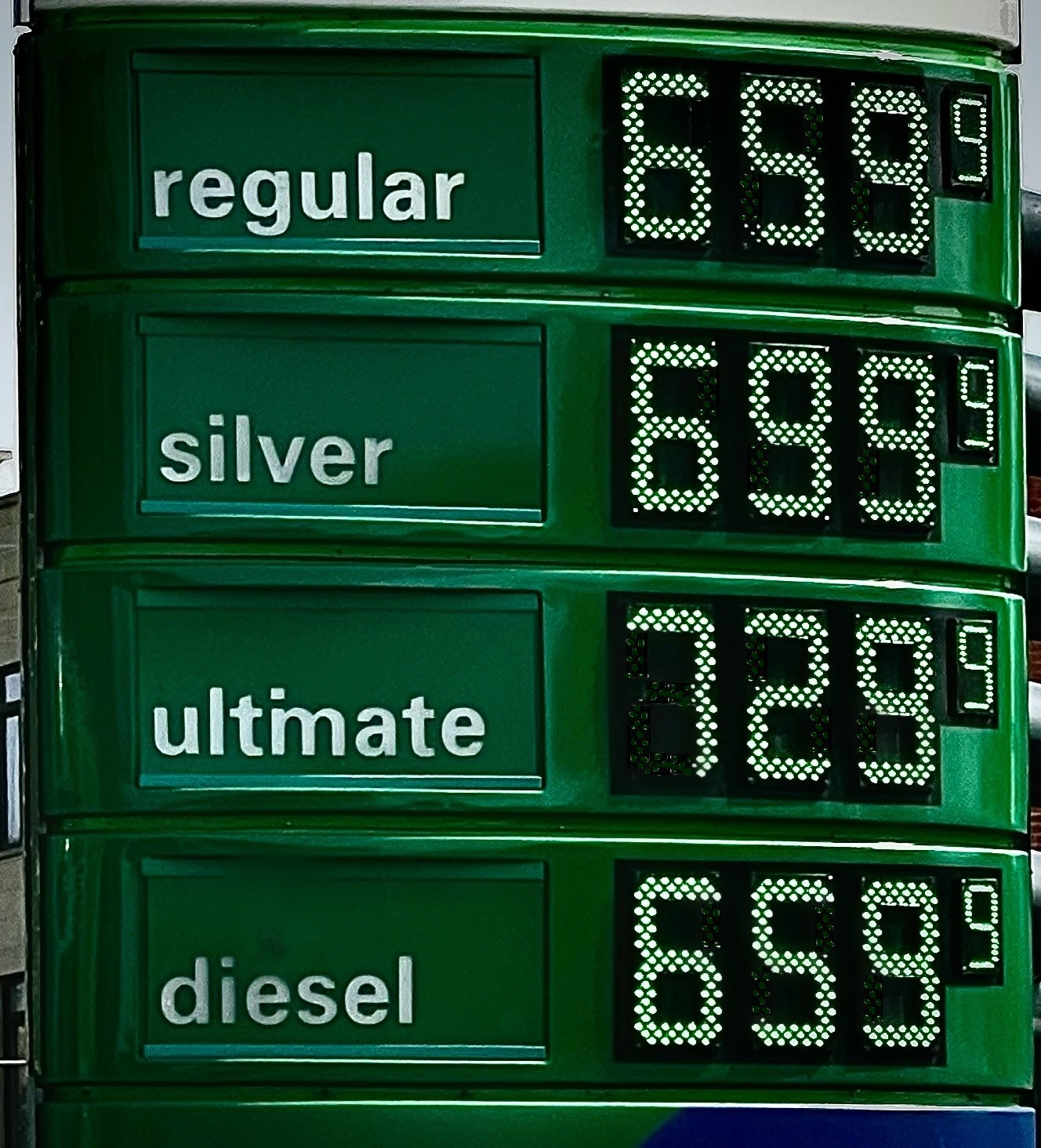
Global Oil Markets
At the most fundamental level, gasoline prices are tied to the cost of crude oil, the raw material from which it is refined. Global events such as geopolitical tensions in major oil-producing regions, decisions made by organizations like OPEC (Organization of the Petroleum Exporting Countries), and shifts in global demand can cause crude oil prices to surge or plummet. These international fluctuations invariably trickle down to the pump in cities like Chicago. For instance, a conflict in the Middle East could lead to supply disruptions, driving up the cost of crude oil and, consequently, gasoline prices across the United States.
National Supply and Demand
Beyond global influences, national supply and demand dynamics play a significant role. The refining capacity within the United States, the efficiency of the distribution network, and overall consumer demand all contribute to price levels. Seasonal variations are particularly notable. During the summer months, increased travel demand often leads to higher gasoline consumption, putting upward pressure on prices. Conversely, demand typically dips in the fall and winter, potentially leading to lower prices, although refinery maintenance and the transition to different fuel blends can offset this effect.
Regional Refining and Distribution
Chicago, like other major cities, has its own regional refining and distribution infrastructure. The proximity to refineries, the efficiency of pipelines and transportation networks, and the number of competing gas stations all contribute to local pricing. For example, if a major refinery in the Midwest experiences an outage, it can directly impact supply and drive up prices in surrounding areas, including Chicago. The cost of transporting fuel via trucks from terminals to individual gas stations also factors into the final price consumers see at the pump.
State and Local Taxes
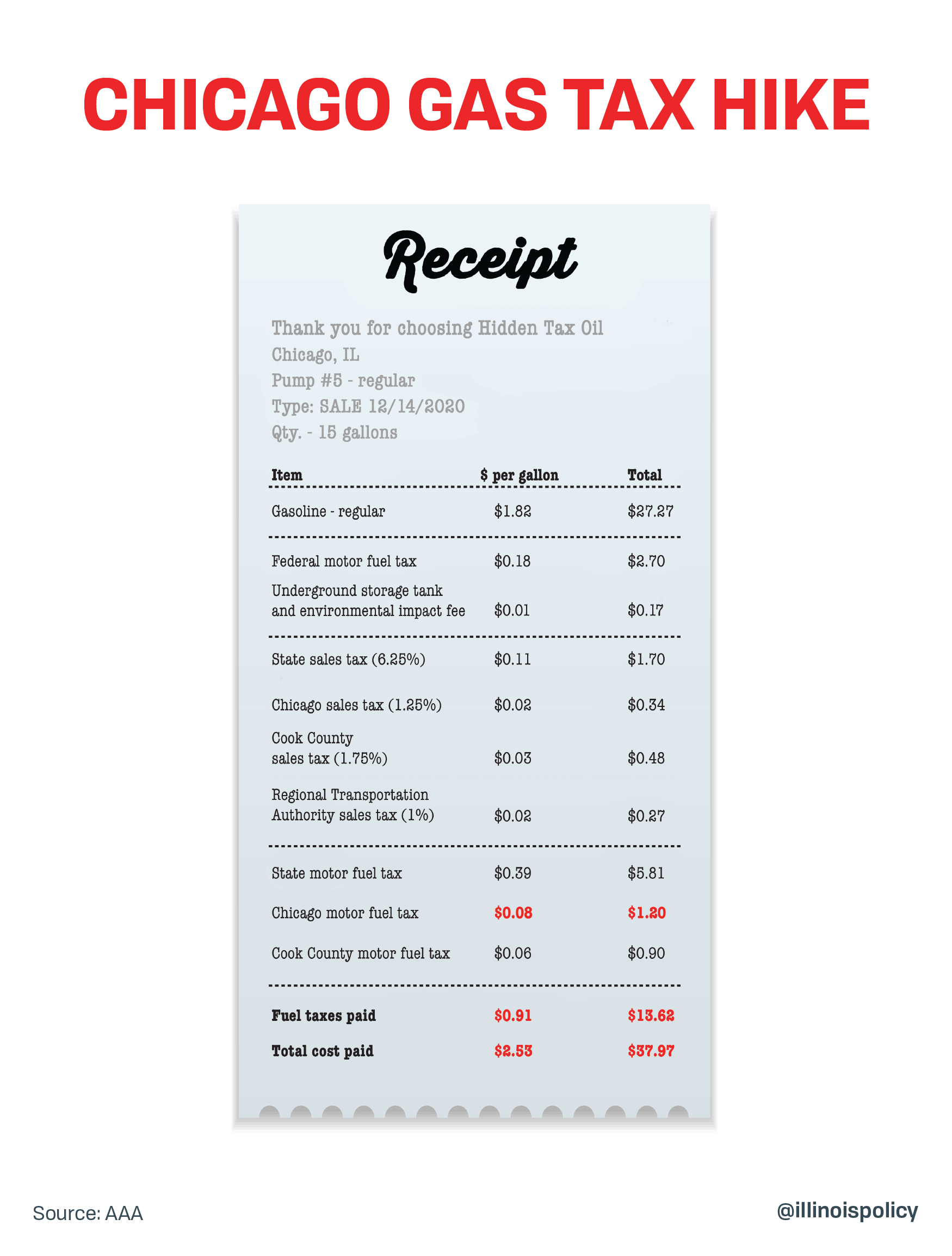
A substantial portion of the retail price of gasoline consists of taxes. These include federal excise taxes, state excise taxes, and sometimes local taxes or fees. Illinois, for instance, has a state gasoline tax that contributes to the overall cost. These taxes are levied to fund infrastructure projects, such as road maintenance and construction, and can vary significantly from state to state, impacting regional price differences. When planning a road trip to or from Chicago, factoring in the gas tax rates of different states is a wise budgeting strategy.
Environmental Regulations and Fuel Blends
Environmental regulations, particularly those related to air quality, necessitate the use of specific fuel blends that vary by season and region. In the United States, summer gasoline blends are formulated to reduce evaporative emissions, which can be more expensive to produce than winter blends. These mandated changes in fuel composition can contribute to price fluctuations, especially during the transition periods between seasons. Chicago, with its urban environment, is subject to these regulations, and their implementation can influence local gas prices.
Navigating Chicago’s Gas Landscape
For travelers visiting or residing in Chicago, effectively navigating the gas market can lead to cost savings and a more predictable travel experience. Understanding where and how to find the best prices is key.
Utilizing Gas Price Apps and Websites
In the digital age, numerous mobile applications and websites are dedicated to tracking real-time gasoline prices at stations across the country. Popular options like GasBuddy, AAA Mobile, and others allow users to search for the cheapest gas in their vicinity or along a planned route. These tools are invaluable for Chicago visitors, enabling them to quickly identify the most affordable options without extensive searching. By inputting a Chicago zip code or neighborhood, travelers can access a comprehensive list of local gas stations and their current prices, often updated by users.
Geographic Price Variations Within the City
Even within Chicago itself, gas prices can exhibit notable geographic variations. Stations located closer to major expressways or in high-traffic tourist areas might command slightly higher prices due to convenience and demand. Conversely, stations in more residential neighborhoods or further from major thoroughfares might offer more competitive pricing. For travelers exploring different parts of the city, from the Loop to the Lincoln Park Zoo, a mindful approach to refueling can yield savings. For instance, filling up before heading into the downtown core or before embarking on a longer excursion to the suburbs can be a strategic move.
Brand Loyalty and Convenience Stores
Many consumers are drawn to specific gas station brands due to loyalty programs, perceived quality, or the convenience of attached convenience stores and services. While brand loyalty can offer benefits like fuel discounts or rewards points, it’s important to compare prices, as even within the same brand, prices can vary between individual stations. Furthermore, the cost of goods within the convenience store itself can sometimes influence the overall perceived value. For travelers who rely on these amenities, weighing the cost of gasoline against the convenience factor is a personal decision.

Timing Your Refueling
As mentioned earlier, seasonal demand significantly impacts gas prices. For those planning extended stays or road trips originating from Chicago, timing a refueling stop strategically can be beneficial. Avoiding peak travel times, such as holiday weekends or the start of summer vacation periods, might allow for the opportunity to fill up at slightly lower prices. Monitoring price trends in the weeks leading up to a trip can also provide insights into potential price movements.
Budgeting for Travel in Chicago
The cost of gasoline is a significant component of a travel budget, especially for those who plan to drive extensively during their visit to Chicago. Understanding how to estimate and manage these costs is essential for a smooth and enjoyable experience.
Estimating Fuel Costs for Excursions
When planning day trips or excursions from Chicago, such as visiting nearby suburbs or attractions outside the city limits, estimating fuel costs is a straightforward process. This involves knowing the approximate mileage of the round trip and the vehicle’s fuel efficiency (miles per gallon, or MPG). Once these figures are known, one can consult current Chicago gas prices to calculate the total fuel expenditure. For example, a 100-mile round trip in a car that gets 25 MPG would require 4 gallons of gas. If the price per gallon is $3.50, the estimated fuel cost for that excursion would be $14.00.
Impact on Attraction Accessibility
The cost of gasoline can indirectly influence the accessibility of certain attractions. For visitors planning to explore beyond the immediate downtown area, such as visiting the Art Institute of Chicago or taking a drive along the scenic Lake Shore Drive, the expense of fuel might play a role in deciding which activities are feasible. For those on a tighter budget, utilizing Chicago’s extensive public transportation system, including the CTA “L” trains and bus network, might be a more economical alternative for navigating the city.
Comparing Driving vs. Public Transportation
When planning travel within Chicago, it’s often beneficial to compare the costs associated with driving versus using public transportation. While driving offers flexibility and convenience, the combined costs of gasoline, parking fees (which can be substantial in downtown areas), and potential tolls can quickly add up. Chicago’s public transit system, while requiring an upfront fare, can be significantly more cost-effective for covering longer distances or accessing popular tourist areas. The Chicago Transit Authority (CTA) offers various passes that can provide further savings for frequent riders.
Fuel Efficiency and Vehicle Choice
For travelers who own their vehicles or are considering renting one for a Chicago trip, fuel efficiency is a critical factor in managing gasoline expenses. Vehicles with higher MPG ratings will naturally consume less fuel, leading to lower costs over time. This is particularly relevant for longer road trips that may involve extensive driving in and around Illinois. When renting a car, opting for a smaller, more fuel-efficient model can lead to significant savings on gasoline compared to a larger SUV or truck, especially given the prevailing gas prices in a major metropolitan area like Chicago.
Looking Ahead: Future Gas Price Trends in Chicago
Predicting future gasoline prices with absolute certainty is a challenging endeavor, as numerous variables can influence the market. However, by monitoring key indicators and understanding the underlying economic and geopolitical factors, travelers can form a general outlook.
Economic Indicators and Global Demand
The overall health of the global economy is a primary driver of oil demand. A strong global economy typically translates to higher demand for energy, which can push oil prices upward. Conversely, economic downturns or recessions can lead to reduced demand and lower prices. For Chicago, this means that national and international economic forecasts can provide clues about potential future gas price trends. Observing reports from institutions like the International Monetary Fund (IMF) or analyses of consumer spending patterns can offer valuable insights.
Geopolitical Stability and Supply Disruptions
As previously discussed, geopolitical events have a profound impact on oil prices. Instability in oil-producing regions, conflicts, or sanctions imposed on major oil exporters can lead to sudden price spikes. Conversely, periods of relative geopolitical calm and increased production from key nations can contribute to price stability or decreases. Travelers planning trips to Chicago should stay informed about major global events that could affect energy markets. For example, news related to political developments in Venezuela, Iran, or Russia can have far-reaching implications for fuel costs.
The Role of Renewable Energy and EVs
The long-term trend towards renewable energy sources and the increasing adoption of electric vehicles (EVs) may eventually impact gasoline demand and prices. As more consumers transition to EVs, the demand for gasoline could decrease, potentially leading to lower prices for internal combustion engine vehicles. However, this transition is gradual, and for the foreseeable future, gasoline will remain a primary fuel source for transportation. Illinois and Chicago are seeing increased investment in EV infrastructure, which could influence the local energy landscape in the coming years.
Seasonal Patterns and Refinery Operations
Seasonal demand patterns and refinery maintenance cycles will likely continue to influence gasoline prices in Chicago and across the nation. The shift from winter to summer fuel blends typically occurs in the spring, often accompanied by a temporary price increase due to the more complex and costly production of summer-grade gasoline. Similarly, planned refinery maintenance in the fall can sometimes lead to localized price adjustments. Travelers should remain aware of these predictable seasonal shifts when planning their travel budgets.
In conclusion, the price of gas in Chicago is a dynamic figure influenced by a multitude of factors. For travelers, staying informed through readily available resources and understanding the underlying market forces can transform a potential budget concern into a manageable aspect of their Chicago adventure, ensuring a more enjoyable and financially predictable journey.
LifeOutOfTheBox is a participant in the Amazon Services LLC Associates Program, an affiliate advertising program designed to provide a means for sites to earn advertising fees by advertising and linking to Amazon.com. Amazon, the Amazon logo, AmazonSupply, and the AmazonSupply logo are trademarks of Amazon.com, Inc. or its affiliates. As an Amazon Associate we earn affiliate commissions from qualifying purchases.