
Understanding the various deductions from your paycheck can feel like navigating a labyrinth, especially when you’re focused on planning your next great Chicago adventure. While the specifics of payroll taxes are complex and depend on individual circumstances, a comprehensive look at what impacts your take-home pay in Chicago provides crucial context for budgeting any trip or longer stay in this vibrant metropolis. This guide delves into the primary tax components that reduce your gross earnings, offering clarity for residents and visitors alike who are considering extended stays or frequent visits that might require detailed financial planning.
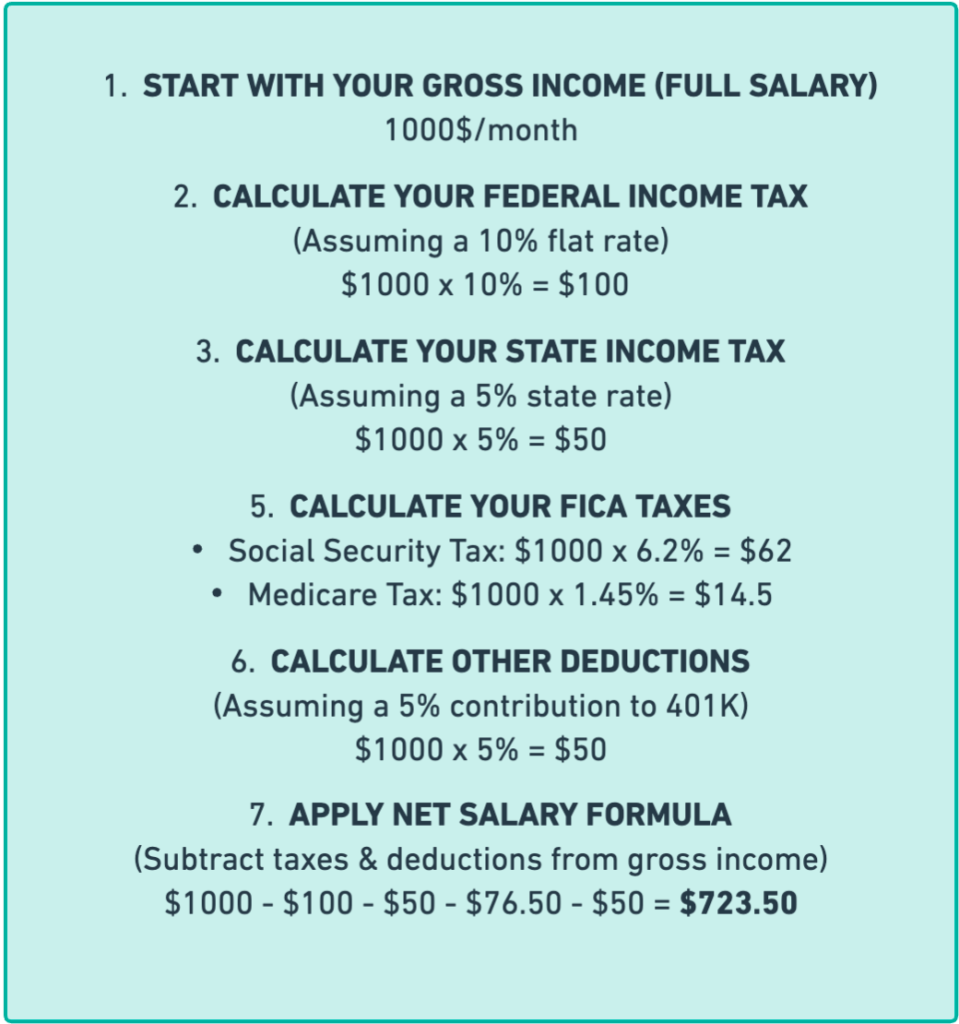
Federal Income Tax
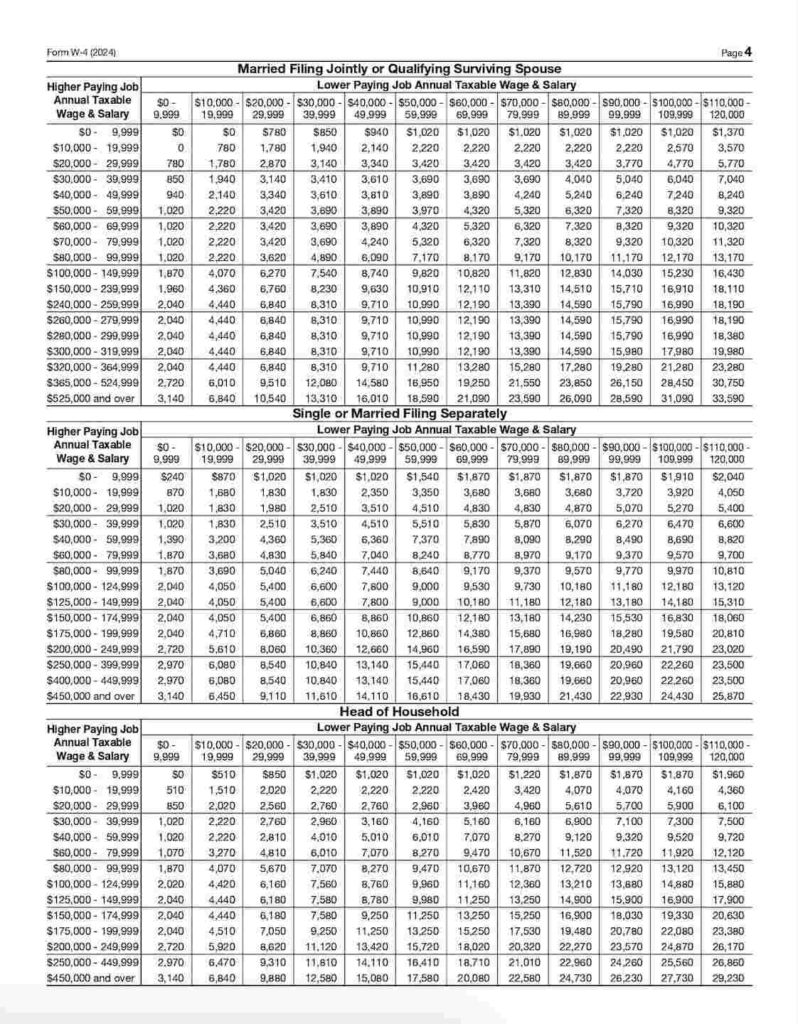
The most significant deduction from any paycheck in the United States is federal income tax. This tax is progressive, meaning higher earners pay a larger percentage of their income in taxes. The specific amount withheld depends on several factors you provide to your employer on Form W-4, including:
Filing Status
Your filing status – single, married filing jointly, married filing separately, head of household – dictates the tax brackets you fall into and the standard deduction amount. Each status has different implications for how your tax liability is calculated.
Withholding Allowances (or Credits)
The number of withholding allowances you claim on your W-4 directly impacts the amount of tax withheld. More allowances generally mean less tax is withheld, while fewer allowances mean more tax is withheld. Recent changes to tax law have simplified the W-4, moving away from allowances to a system based on claiming dependents, other income, and deductions. This allows for more accurate withholding and aims to reduce the likelihood of large tax refunds or underpayments.
Taxable Income
This is your gross income minus certain deductions and exemptions. Employers use IRS-published withholding tables or computational methods to estimate the amount of federal income tax to withhold from each paycheck based on your W-4 information and the tax rates for the current year. It’s crucial to keep your W-4 up-to-date, especially if your personal or financial situation changes, to ensure accurate withholding. Incorrect withholding can lead to owing a significant amount at tax time or receiving a smaller refund than anticipated, which could impact your travel or accommodation budget.
State Income Tax
Illinois, the state in which Chicago is located, has a flat-rate income tax. This means a single percentage is applied to all taxable income, regardless of the amount earned.
Illinois Income Tax Rate
As of recent tax years, the Illinois state income tax rate stands at a flat 4.95%. This rate applies to both individual income and corporate income. Unlike the federal system, there are fewer complex brackets.
Deductions and Exemptions
While the rate is flat, certain deductions and exemptions can reduce your taxable income in Illinois. These can include deductions for dependents, certain retirement contributions, and medical expenses. Understanding these can help in estimating your net pay more accurately. For those considering a longer stay or perhaps purchasing property in Chicago, knowing these state-specific tax rules is paramount.
Local Taxes in Chicago
Beyond federal and state taxes, Chicago imposes its own set of local taxes that directly affect the take-home pay of its residents. These are often overlooked but can add up.
Chicago Personal Property Lease Transaction Tax
This tax applies to the leasing of tangible personal property within the city limits. While more relevant to businesses, certain employee benefits involving leased property could be indirectly affected.
Chicago Employer Expense Tax (Cloud Tax)
More commonly known as the “Cloud Tax,” this ordinance imposes a tax on the use of specified digital services, including software-as-a-service (SaaS) and cloud computing services. While primarily levied on businesses that provide these services, the cost of these services can be passed on to consumers, potentially impacting business expenses and, by extension, employment opportunities and wages within the city. The exact impact on an individual’s paycheck is indirect, but it contributes to the overall cost of doing business in Chicago.
Other Potential Local Levies
While not directly taken from every paycheck, Chicago has various other local taxes, such as sales taxes and amusement taxes, that impact the cost of living and doing business. These indirectly influence the economic landscape and can affect disposable income available for travel and leisure activities.
Social Security and Medicare Taxes (FICA)
These are federal payroll taxes that fund Social Security and Medicare programs. They are a crucial component of every employee’s paycheck.
Social Security Tax
This tax is a fixed percentage of your gross earnings up to an annual wage base limit. For recent tax years, the employee’s share of the Social Security tax is 6.2%. Once you earn above the annual limit, Social Security taxes are no longer withheld for the remainder of the year. This tax contributes to retirement, disability, and survivor benefits.
Medicare Tax
Medicare tax is applied to all your earnings without an income limit. The employee’s share is 1.45% of gross pay. For high-income earners, an Additional Medicare Tax of 0.9% may also apply. This tax funds the Medicare health insurance program for individuals aged 65 and older, and for some younger people with disabilities.
Combined FICA Rate
Together, Social Security and Medicare taxes represent a significant portion of payroll deductions. The combined employee rate is 7.65% (6.2% + 1.45%) on earnings up to the Social Security wage base, and 1.45% on earnings above that limit, with the potential for an Additional Medicare Tax for higher earners. For anyone planning a significant stay in Chicago, understanding these fixed deductions is essential for accurate budgeting.
Other Potential Deductions
Beyond mandatory taxes, several other deductions are common on paychecks, some of which can affect the funds available for your next holiday or a stay at a beautiful Chicago hotel.
Health Insurance Premiums
If your employer offers health insurance, a portion of the premium is typically deducted from your paycheck on a pre-tax basis. This reduces your taxable income, offering a slight tax benefit while ensuring you have essential health coverage. The cost can vary significantly based on the plan chosen and employer contributions.
Retirement Plan Contributions
Contributions to employer-sponsored retirement plans, such as a 401(k) or 403(b), are also common. These are often made on a pre-tax basis, meaning they reduce your current taxable income. While these deductions decrease your immediate take-home pay, they are vital for long-term financial security, including funding future travel aspirations.
Union Dues
If you are a member of a labor union, union dues are typically deducted from your paycheck. These are generally considered deductible expenses for tax purposes.
Wage Garnishment
In some cases, a portion of an employee’s wages may be legally seized to satisfy debts, such as child support, alimony, or unpaid taxes. This is known as wage garnishment and is a court-ordered deduction.
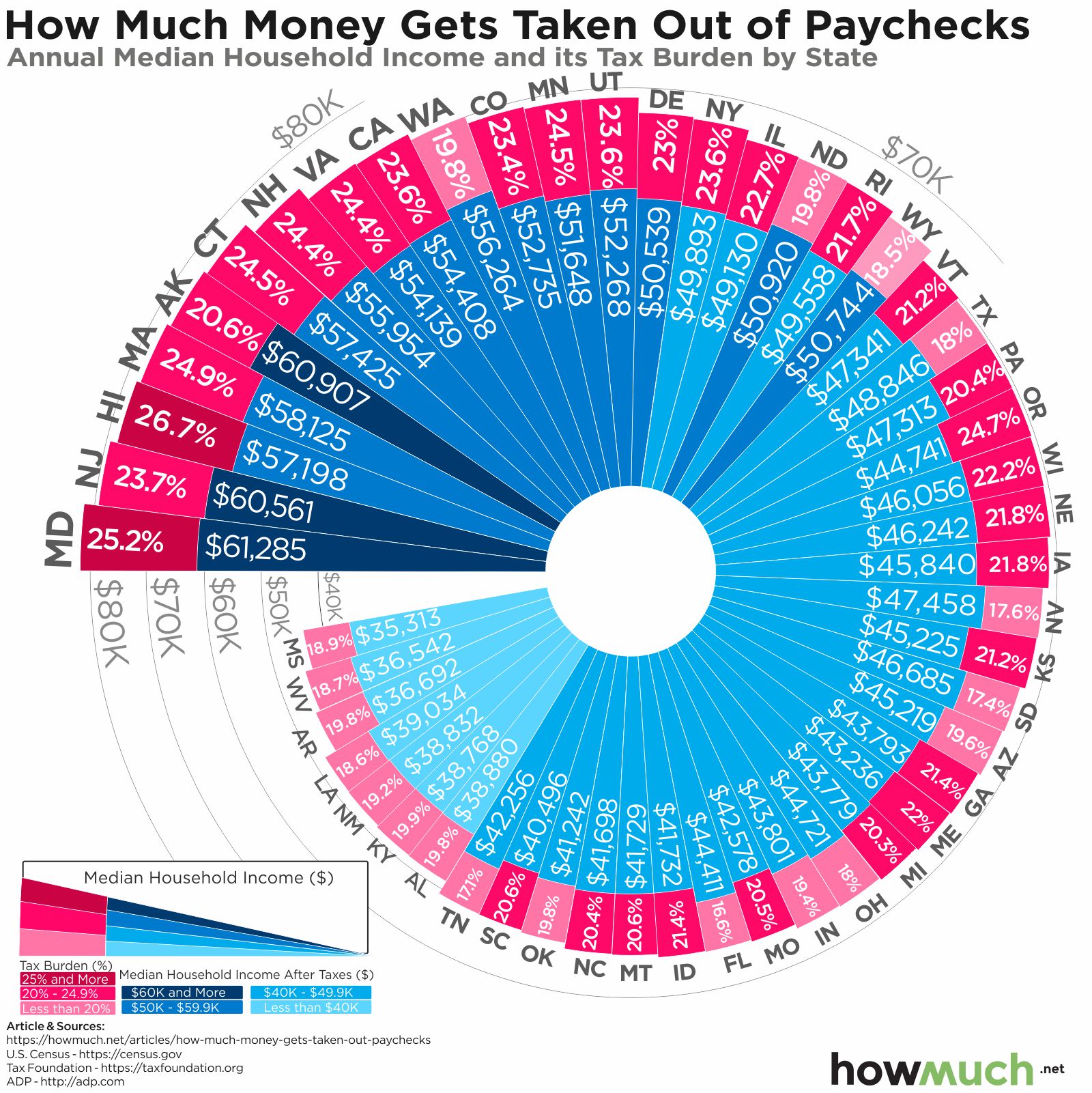
Estimating Your Take-Home Pay in Chicago
Accurately calculating your net pay requires considering all the factors mentioned above. Many online payroll calculators can help you estimate your take-home pay by inputting your gross salary, filing status, and other relevant information. However, for precise figures, consulting your pay stubs and understanding the specifics of your employer’s benefits package is crucial.
For individuals considering a longer-term stay in Chicago, perhaps for a period that necessitates understanding local employment taxes more deeply, or even for tourists who are contemplating a more extended exploration of the city’s myriad attractions like the Art Institute of Chicago or a visit to the Navy Pier, having a clear picture of your financial outlay is indispensable. This knowledge empowers you to budget effectively, ensuring that your exploration of Chicago’s culture, cuisine, and iconic landmarks, from the Willis Tower to the charming neighborhoods, is both enjoyable and financially sound. By demystifying the deductions, you can better allocate your resources towards experiencing all that this magnificent city has to offer.
LifeOutOfTheBox is a participant in the Amazon Services LLC Associates Program, an affiliate advertising program designed to provide a means for sites to earn advertising fees by advertising and linking to Amazon.com. Amazon, the Amazon logo, AmazonSupply, and the AmazonSupply logo are trademarks of Amazon.com, Inc. or its affiliates. As an Amazon Associate we earn affiliate commissions from qualifying purchases.