
Navigating the myriad of information available in the digital age often requires meticulous attention to detail, especially when documenting sources. For those delving into the rich tapestry of Chicago’s cultural landscape, event brochures, whether physical or digital, can be invaluable resources. These often overlooked documents offer a curated glimpse into festivals, exhibitions, performances, and community gatherings that define the city’s vibrant spirit. Properly citing these materials ensures academic integrity and allows readers to trace your research back to its origins. This guide focuses on the Chicago context, providing a clear framework for citing event brochures using a widely accepted style.
Understanding the Importance of Citation
In the realm of research, whether for academic papers, travel guides, or historical accounts, accurate citation is paramount. It serves multiple critical functions:
Crediting Sources and Avoiding Plagiarism
The most fundamental reason for citation is to acknowledge the intellectual property of others. When you use information, ideas, or data from a brochure, you must attribute it to the creators. Failure to do so constitutes plagiarism, a serious academic offense. Citing ensures that you are giving credit where credit is due and maintaining ethical research practices.
Enhancing Credibility and Authority
By meticulously citing your sources, you demonstrate that your work is well-researched and grounded in factual information. This builds trust with your audience, be they professors, fellow researchers, or interested travelers. When readers can see the origins of your information, they are more likely to accept your findings and consider your work authoritative.
Enabling Further Research
Citations act as signposts for your readers. They allow those who are interested in a particular piece of information to easily locate the original source and explore the topic in greater depth. This is particularly relevant when discussing specific events in Chicago, such as the Taste of Chicago or the Chicago Jazz Festival, where brochures might contain unique historical details or program specifics.
Providing Context and Background
Event brochures are often designed to inform and entice. They can contain historical context about an event, information about featured artists or performers, or details about the venue. Citing these documents allows you to seamlessly integrate this contextual information into your own work, enriching your narrative and providing your audience with a more comprehensive understanding.
Citing Event Brochures in Chicago: A Chicago-Centric Approach
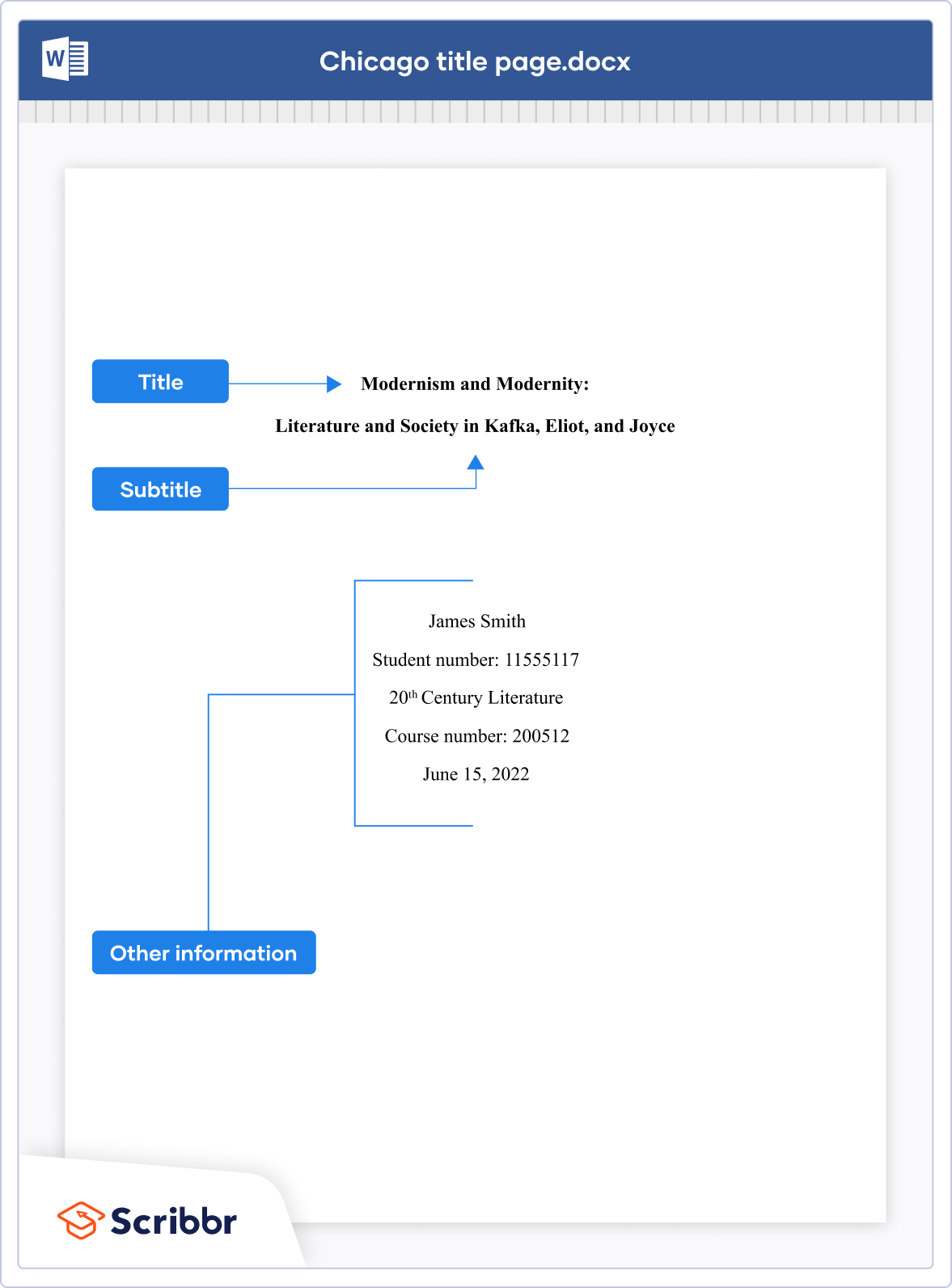
While citation styles can vary, the principles remain consistent. For this guide, we will adopt a common approach that can be adapted to most major citation styles, emphasizing the elements unique to citing a brochure from a specific Chicago event. The key is to capture enough information for a reader to locate the brochure.
Essential Information to Gather
Before you can cite an event brochure, you need to extract the crucial details. The following information is generally required:
- Author/Issuing Organization: Who produced the brochure? This could be an individual, a committee, a specific department within a larger organization, or the event organizers themselves. For a festival like the Lollapalooza in Chicago, this might be Live Nation or the festival’s organizing committee.
- Title of the Brochure: This is often the name of the event itself, or a specific title printed on the brochure.
- Date of Publication/Event: When was the brochure created or distributed? If the brochure directly corresponds to a specific event date, use that. Otherwise, look for a publication date.
- Publisher (if different from author): Sometimes, a separate entity prints or distributes the brochure on behalf of the authoring organization.
- Location of Publication (if available): While often implied by the content, if a city is explicitly stated, include it. For a Chicago event, this is usually Chicago.
- Page Numbers (if applicable): If you are referencing a specific section or piece of information within a multi-page brochure, note the page number.
- Access Information (for online brochures): This includes the URL and the date you accessed the brochure.
Constructing the Citation
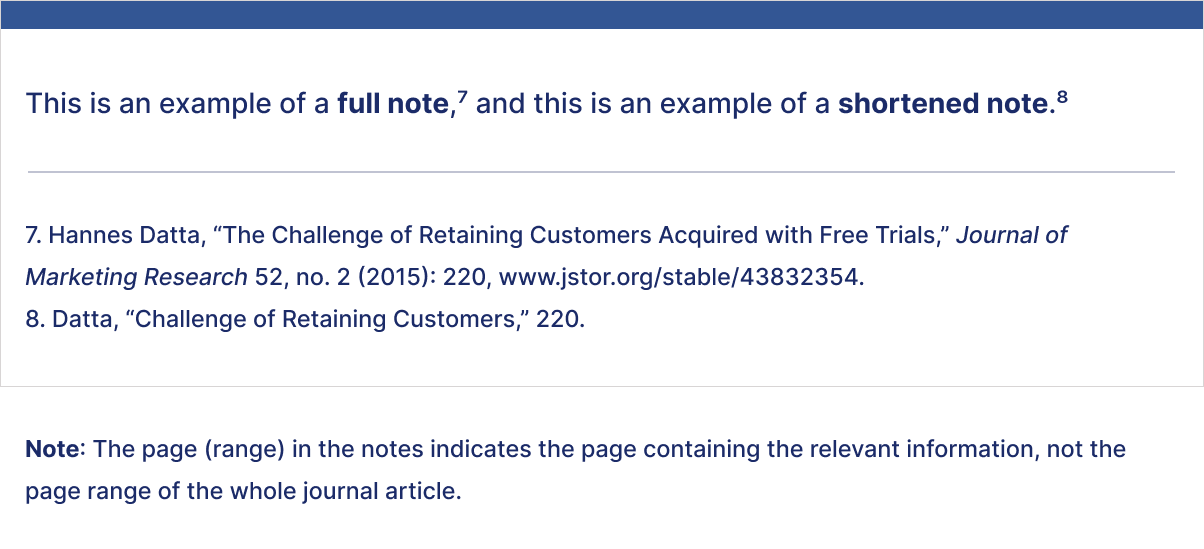
Let’s break down how to assemble this information into a standard citation format. We will provide examples using a format similar to the Chicago Manual of Style, which is common in the humanities and often preferred for its flexibility.
In-Text Citations
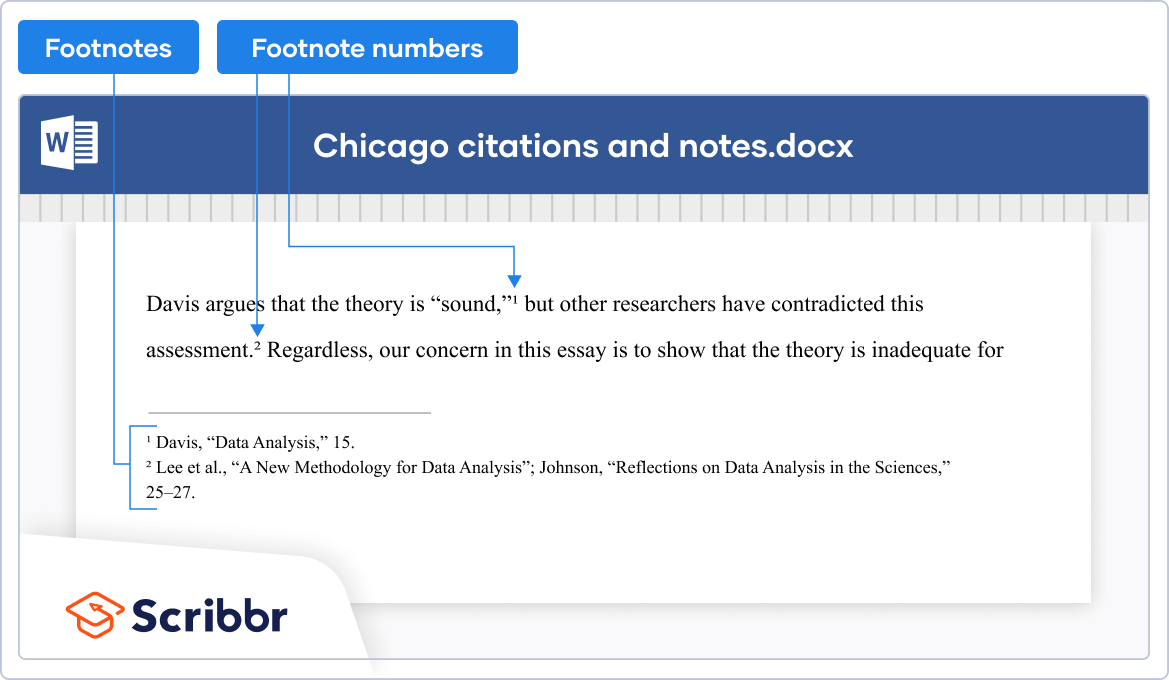
In-text citations are brief references placed within the body of your text. They typically include the author’s last name and the year of publication, or a shortened title if no author is listed.
Example (with author):
The annual Chicago Blues Festival, a cornerstone of the city’s summer cultural calendar, often features historical retrospectives that highlight legendary performers (Smith, 2022).
Example (without author, using organization name):
The detailed program for the Art Institute of Chicago’s contemporary art exhibition provided extensive background on the featured artists (Art Institute of Chicago, 2023).
Works Cited / Bibliography Entry
The full citation appears in a separate section at the end of your work. This entry provides complete publication details.
Format for a Physical Brochure:
Author Last Name, First Name. Title of Brochure. Publisher, Year.
Example:
Miller, Sarah. Grant Park Music Festival: Summer Season Guide. Grant Park Orchestral Association, 2021.
- If no author is listed, start with the title:
Title of Brochure. Publisher, Year.
Example:
Chicago International Film Festival: Official Program. Chicago Film Festival Foundation, 2022.
- If the publisher and author are the same, you can often omit the publisher:
Author Last Name, First Name. Title of Brochure. Year.
Example:
Johnson, David. Navy Pier Events Calendar. 2023.
Format for an Online Brochure:
Author Last Name, First Name. “Title of Brochure.” Title of Website/Organization, Publisher (if different from author), Date of Publication/Update, URL. Accessed Date.
Example:
Williams, Emily. “Lincoln Park Zoo: Annual Conservation Report Brochure.” Lincoln Park Zoo, Lincoln Park Zoological Society, 2020, www.lpzoo.org/conservation/reports/2020. Accessed 15 October 2023.
- If the brochure is directly on the organization’s main website without a specific page title, use the organization name as the “Title of Website/Organization”:
Author Last Name, First Name. “Title of Brochure.” Organization Name, Publisher (if different), Date, URL. Accessed Date.
Example:
Davis, Michael. “Magnificent Mile Shopping Association: Holiday Event Guide.” Magnificent Mile Association, 2022, www.themagnificentmile.com/events/holiday-guide.pdf. Accessed 12 December 2023.
- If there is no author and no specific publication date, provide the most recent update date or the access date:
“Title of Brochure.” Organization Name, Last Updated [Date] OR Accessed [Date], URL.
Example:
“Millennium Park Foundation: Summer Concert Series Overview.” Millennium Park Foundation, Accessed 5 July 2023, www.millenniumparkfoundation.org/events/summer-concerts.
Specific Considerations for Chicago Event Brochures
When dealing with brochures from Chicago’s diverse array of events, keep these nuances in mind:
Distinguishing Between Event and Organization
For events held at established institutions like the Field Museum or the Shedd Aquarium, you may need to clarify whether the brochure represents the institution itself or a specific temporary exhibition or event hosted by the institution. The author/issuing organization element of your citation should reflect this.
Example for an exhibition within a museum:
Lee, Robert. Prehistoric Mammals of North America. Brochure for exhibition at the Field Museum. Field Museum, 2022.
Handling Promotional Materials
Event brochures are often promotional. While they are valid sources for details about the event itself, be mindful of potential bias. Your citation should accurately reflect the source, and your analysis should consider its promotional nature.
Digital vs. Physical Brochures
The format significantly impacts how you cite. Physical brochures require details about their tangible existence, while digital brochures necessitate URLs and access dates to ensure findability. Always check if a digital version is available to make your citation more robust.
Advanced Citation Scenarios
Sometimes, citing event brochures can present unique challenges. Here are a few less common but important scenarios:
Undated Brochures
If a brochure lacks a publication date, and there’s no clear indication of when it was produced, you can use the abbreviation “n.d.” (no date) in place of the publication year. However, always try to find any clues within the brochure or on the organizer’s website that might suggest a timeframe.
Example:
Green, Anna. Ravenswood Art Walk: Artist Directory. Ravenswood Art Walk Committee, n.d.
Brochures as Part of a Larger Publication
Occasionally, an event brochure might be an insert or supplement to a larger publication, such as a magazine or newspaper. In such cases, you would cite both the brochure and the larger publication it accompanied.
Example (if the brochure was a supplement to a local newspaper):
Chicago Neighborhood Guide: Summer Festivals. Supplement to the Chicago Tribune, June 2023.
Unpublished or Limited Distribution Brochures
If you have a brochure that was not formally published or had very limited distribution (e.g., a hand-out at a very niche local gathering), you might need to describe its nature and how you acquired it, especially if it’s not available online.
Example:
Personal communication, [Your Name] to [Recipient’s Name], [Date of Communication], regarding the brochure for the “Uptown Jazz Showcase,” obtained at the event on [Date of Event].
Conclusion
Mastering the art of citing event brochures, especially those originating from the dynamic city of Chicago, is a valuable skill for any researcher or writer. By carefully gathering the necessary information and adhering to established citation principles, you can accurately represent your sources, bolster the credibility of your work, and provide a clear pathway for others to explore the fascinating events that shape urban culture. Whether you are documenting the historical significance of the Chicago World’s Fair or detailing the current offerings at a local arts center, precise citation is the bedrock of reliable and respected research.
LifeOutOfTheBox is a participant in the Amazon Services LLC Associates Program, an affiliate advertising program designed to provide a means for sites to earn advertising fees by advertising and linking to Amazon.com. Amazon, the Amazon logo, AmazonSupply, and the AmazonSupply logo are trademarks of Amazon.com, Inc. or its affiliates. As an Amazon Associate we earn affiliate commissions from qualifying purchases.