
Planning a trip to Alaska, the United States‘ largest and most geographically diverse state, requires attention to detail. From booking flights and accommodations to scheduling tours and activities, every aspect of your Alaskan adventure hinges on understanding local time. Given its immense size and position across a vast longitude, it’s a common question for travelers: “What time zone is Alaska?”
While much of the continental United States is neatly divided into four standard time zones, Alaska presents a slightly more complex picture, primarily falling into one main time zone with a crucial exception. Understanding these nuances is not just a matter of curiosity; it’s a vital piece of the puzzle for a seamless travel experience, helping you avoid missed connections, confusion with tour operators, and unnecessary stress during your exploration of the Last Frontier. This comprehensive guide will break down Alaska’s time zones, explain the implications for travelers, and offer practical tips to ensure your journey is as smooth as Alaska’s stunning glacial landscapes.
Understanding Alaska’s Primary Time Zone: Alaska Time (AKT)
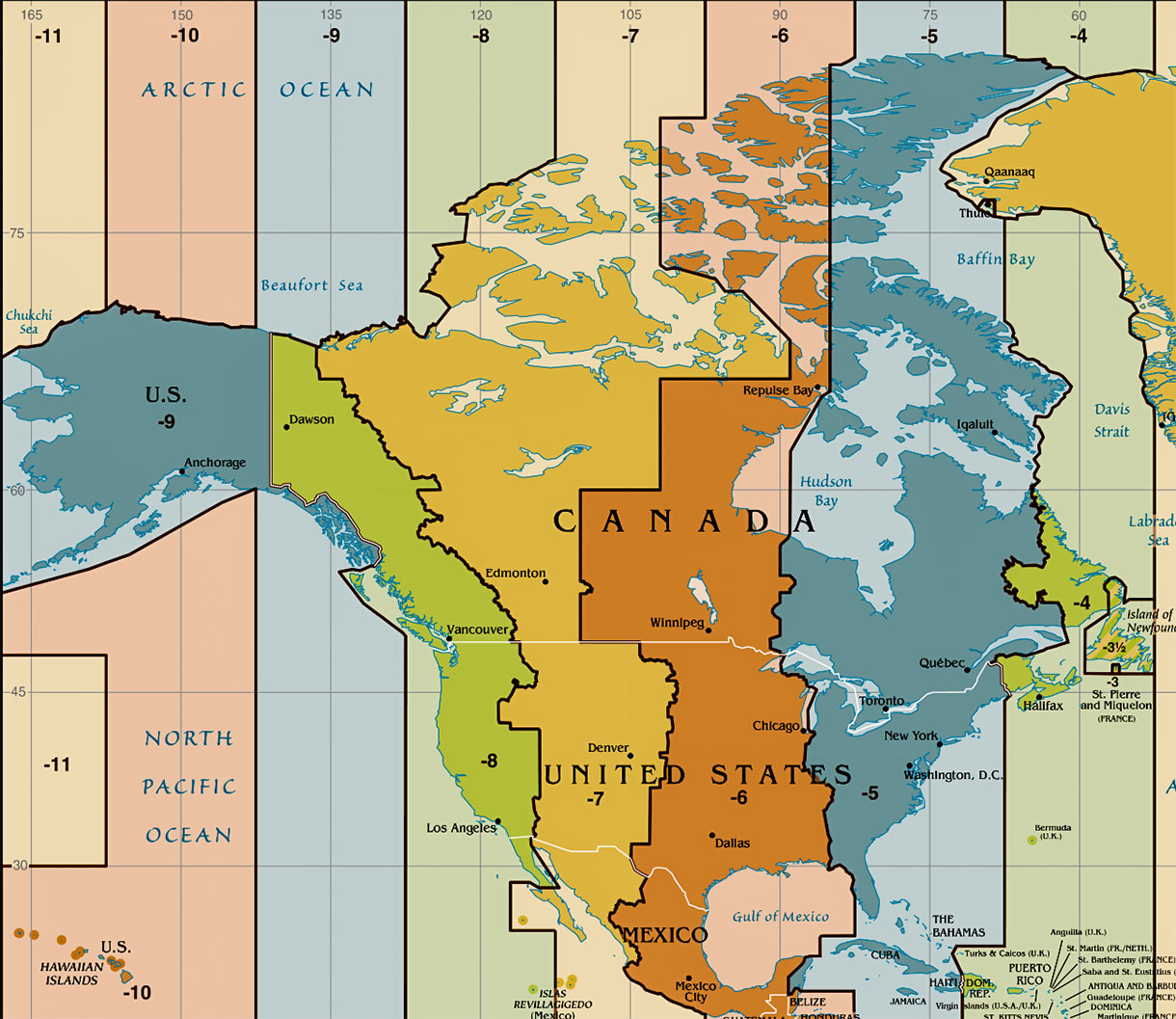
The vast majority of Alaska operates under the Alaska Time Zone (AKT). This time zone is a significant shift from the rest of the continental United States, reflecting Alaska’s unique geographical placement far to the northwest of the Lower 48.
The Alaska Time Zone (AKT): A Closer Look
The Alaska Time Zone is observed as UTC-9 during standard time. This means that Alaska is nine hours behind Coordinated Universal Time (UTC), which is often colloquially referenced by its predecessor, Greenwich Mean Time (GMT). To put it into perspective for travelers from other parts of North America:
- Four hours behind Eastern Time: If it’s 12:00 PM on the East Coast, it’s 8:00 AM in most of Alaska.
- One hour behind Pacific Time: If it’s 12:00 PM in Seattle or Los Angeles, it’s 11:00 AM in Anchorage or Juneau.
This substantial time difference, especially for those traveling from the East Coast or even further afield, can lead to considerable jet lag. Recognizing this difference well in advance allows you to mentally prepare and plan for a gradual adjustment upon arrival, ensuring you make the most of your initial days exploring Alaska’s wonders.
Daylight Saving Time in Alaska
Like most of the United States, Alaska observes Daylight Saving Time (DST). This typically begins on the second Sunday in March and ends on the first Sunday in November. During this period, clocks are moved forward by one hour.
- When Daylight Saving Time is in effect, the Alaska Time Zone becomes Alaska Daylight Time (AKDT).
- Alaska Daylight Time is observed as UTC-8.
This means that during the popular summer travel months, when many visitors flock to Alaska to experience its extended daylight hours, the time difference relative to other time zones will adjust accordingly. For instance, Alaska will still be four hours behind Eastern Daylight Time and one hour behind Pacific Daylight Time. While the concept of Daylight Saving Time is standard, its impact on your internal clock, combined with Alaska’s extreme summer daylight, can make scheduling feel particularly unique.
The Exception: The Aleutian Islands and Hawaii Standard Time
While the majority of Alaska falls within the Alaska Time Zone, there is a significant geographical exception that travelers should be aware of: the westernmost portion of the Aleutian Islands.
Navigating the Aleutians: What Travelers Need to Know
The portion of the Aleutian Islands west of 172 degrees west longitude adheres to Hawaii Standard Time (HST). This means they are on UTC-10 during standard time and Hawaii Daylight Time (HDT) during Daylight Saving Time (UTC-9), though Hawaii itself does not observe Daylight Saving Time.
- This specific area includes islands like Adak and Attu.
- Practically, this means these islands are one hour behind the rest of Alaska.
For most tourists, this exception is unlikely to impact their primary travel plans, as destinations like Anchorage, Juneau, Fairbanks, and popular national parks are well within the Alaska Time Zone. However, for adventurous travelers venturing to these remote western islands, perhaps for unique wildlife viewing, fishing charters, or a truly off-the-beaten-path experience, understanding this time difference is crucial. It ensures accurate scheduling for flights, boat transfers, and any pre-booked local accommodations or tours. Always double-check local times if your itinerary takes you to the far reaches of the Aleutian Islands.
Why Time Zones Matter for Your Alaskan Adventure: Planning and Logistics
Understanding Alaska’s time zones is paramount for seamless travel planning, impacting everything from your arrival to your daily activities and departure. Ignoring these differences can lead to missed connections, wasted time, and unnecessary frustration.
Coordinating Flights, Tours, and Accommodations
The significant time difference between Alaska and the contiguous United States, particularly the East Coast, means that arrival times for flights can feel disorienting. A flight departing New York City at 8:00 AM Eastern Time might arrive in Anchorage at 1:00 PM Alaska Time after a seven-hour journey, yet it would be 5:00 PM back in New York.
- Flight Connections: If you have connecting flights, especially within Alaska to smaller towns like Ketchikan, Sitka, or Juneau, confirm all times are listed in local Alaska Time.
- Tour Bookings: Whether you’re planning a wildlife viewing excursion in Seward, a glacier trek from Talkeetna, or a Northern Lights tour from Fairbanks, all departure and meeting times will be local. Double-check your confirmation emails against your phone’s time settings to avoid missing out on these unforgettable experiences.
- Hotel and Accommodation Check-ins: Be mindful of check-in and check-out times for hotels, resorts, or vacation rentals. If arriving early or late, confirming with the front desk or host, accounting for the time difference, is always a good practice. Many establishments in popular tourist hubs like Anchorage, Fairbanks, and Juneau cater to travelers, but clear communication is key.

Cruises and Alaska’s Time Zones
Cruises are an incredibly popular way to experience Alaska’s stunning coastal beauty, with many itineraries departing from Seattle, Vancouver, or within Alaska itself. Cruise ship timekeeping can be a point of confusion for passengers.
- Ship Time vs. Local Time: Some cruise lines operate on “ship time,” which might remain constant throughout the journey, often aligning with the departure port’s time zone (Pacific Time for Seattle departures). Other cruise lines adjust their clocks to match the local time zone of each port they visit.
- Importance of Communication: Always verify the official time policy with your cruise line or check daily onboard announcements. This is crucial for planning your shore excursions in Skagway, Ketchikan, Juneau, or Sitka, ensuring you’re back on the ship before it departs. A missed ship due to time zone confusion can be a costly mistake.

Managing Jet Lag and Daily Schedules
Jet lag is a real concern for many travelers to Alaska. The significant time difference can disrupt sleep patterns, appetite, and energy levels.
- Pre-Trip Adjustment: Consider gradually shifting your sleep schedule a few days before your trip. If flying from the East Coast, try going to bed and waking up an hour earlier each day.
- Upon Arrival: Embrace Alaska’s daylight. Even if you arrive feeling tired, try to stay awake until the local evening. Exposure to natural light helps reset your body clock. Hydrate well and avoid excessive caffeine or alcohol.
- Flexibility: Plan a more relaxed itinerary for your first day or two. Don’t schedule demanding activities too early. This “lifestyle” approach to travel allows your body to adjust, ensuring you’re refreshed and ready to fully experience Alaska.
Beyond the Clock: Embracing Alaska’s Unique Rhythms and Experiences
While understanding the exact time on a clock is important, Alaska’s unique geographical position also means extreme variations in daylight hours, which can often feel more impactful than the time zone itself.
The Land of the Midnight Sun and Winter Darkness
Alaska is famously known as the “Land of the Midnight Sun” during summer months and, conversely, experiences profound darkness in winter.
- Summer Solstice (June): In Fairbanks, for example, the sun barely dips below the horizon, leading to nearly 24 hours of daylight. This can be exhilarating but also disorienting for sleep. Even in Anchorage or Juneau, summer evenings are long and bright. Travelers often use blackout curtains in their hotels or accommodations to aid sleep.
- Winter Solstice (December): The opposite occurs, with only a few hours of daylight in many areas. This is prime season for Northern Lights viewing, especially around Fairbanks, where the long, dark nights provide optimal conditions. Winter travel brings its own rhythm, emphasizing indoor cultural experiences and snow-based activities.
These natural phenomena heavily influence “tourism” and “lifestyle” aspects of an Alaskan trip, sometimes more so than the time zone. Planning your activities around the light-dark cycle, rather than solely the clock, will enrich your travel experience.
Iconic Alaskan Destinations and Their Time Context
Every corner of Alaska offers unique landmarks and experiences, all operating within the Alaska Time Zone (unless you’re far out in the Aleutians).
- Anchorage: As the largest city, Anchorage serves as a primary hub for arrivals and departures. It’s an excellent base for exploring the Chugach Mountains, the Alaska Native Heritage Center, and various cultural attractions. Its hotels and resorts are well-versed in catering to travelers from different time zones.
- Denali National Park: Home to Mount Denali, North America’s highest peak, the park is a prime destination for wildlife viewing, hiking, and photography. Tour buses run on strict schedules, so punctuality based on Alaska Time is essential. Staying in nearby Talkeetna or Kantishna offers varied accommodation options.
- Juneau: The capital city, accessible primarily by air or sea, is known for the majestic Mendenhall Glacier and the stunning Tracy Arm Fjord. Juneau is a popular cruise port, and local tours to the glacier or whale watching operate on precise Alaska Time schedules.
- Seward and Kenai Fjords National Park: Located on the Kenai Peninsula, Seward is the gateway to Kenai Fjords National Park, famous for its tidewater glaciers and abundant marine life. Boat tours are time-sensitive, so confirm your departure times well in advance.
- Skagway: A relic of the Klondike Gold Rush, Skagway offers historical charm. The White Pass and Yukon Route Railroad operates on a schedule that demands timely arrival, especially for cruise passengers.
- Ketchikan: Known for its vibrant Native Alaskan culture and totem poles, Ketchikan offers a rich blend of history and nature. Visits to the Totem Bight State Historical Park or rainforest tours require accurate time management.
- Homer: Nestled on Kachemak Bay, Homer is known as the “Halibut Fishing Capital of the World.” Fishing charters and bear viewing tours (e.g., to Katmai National Park and Preserve) leave promptly, emphasizing the need to be on Alaska Time.
Practical Tips for a Seamless Alaskan Trip
- Synchronize Your Devices: Ensure your smartphone, tablet, and any other electronic devices are set to automatically update to the local time zone. This simple step can prevent a lot of confusion.
- Confirm All Times: Re-confirm flight departure, tour meeting, and reservation times with the operators 24-48 hours in advance, explicitly asking for “local Alaska Time.”
- Wear a Watch: A traditional watch, especially one with a second time zone feature, can be useful for keeping track of your home time and local time simultaneously.
- Build in Buffer Time: Always allow extra time for travel between locations, especially if you’re navigating unfamiliar roads or rely on public transportation.
- Embrace the Light/Dark: Factor in the extreme daylight or darkness when planning your daily schedule, particularly for activities like Northern Lights viewing (winter) or late-night hikes (summer).
In conclusion, while the question “What time zone is Alaska?” has a straightforward answer for most of the state (primarily the Alaska Time Zone, UTC-9 or UTC-8 during Daylight Saving Time), its implications for travelers are vast. By taking a proactive approach to understanding time differences and their impact on your itinerary, you can navigate Alaska’s vast landscapes and unique rhythms with confidence. This preparation will allow you to fully immerse yourself in the awe-inspiring beauty, rich culture, and unforgettable experiences that await you in the Last Frontier, ensuring your Alaskan trip is truly epic.
LifeOutOfTheBox is a participant in the Amazon Services LLC Associates Program, an affiliate advertising program designed to provide a means for sites to earn advertising fees by advertising and linking to Amazon.com. Amazon, the Amazon logo, AmazonSupply, and the AmazonSupply logo are trademarks of Amazon.com, Inc. or its affiliates. As an Amazon Associate we earn affiliate commissions from qualifying purchases.