
When documenting your travels, preserving the visual narrative is as crucial as recounting the experiences themselves. Photos capture the essence of a destination, from the grandeur of a historic landmark to the intimate details of local life. However, when these images are incorporated into academic papers, travel blogs, or other written works, proper citation becomes paramount. Understanding how to cite a photo in Chicago style ensures that you give due credit to the creator and avoid issues of intellectual property infringement. Chicago style, known for its flexibility and comprehensiveness, offers clear guidelines for citing visual materials, including photographs, whether they are your own, sourced from a publication, or found online. This guide will walk you through the essential components and variations of citing photographs in Chicago style, enabling you to integrate your visual documentation with academic rigor and ethical integrity.

Citing Your Own Photographs
When the photograph is one you have taken yourself, the citation process focuses on providing enough information for the reader to understand the context of the image, without needing to attribute it to another creator. The core principle remains to acknowledge the image’s origin and provide details about its subject and location.
Personal Photo Collections
If you are citing a photograph that you personally took and it’s part of your own collection, the citation within the text (using notes) would typically include a brief description and a reference to its ownership. For example, if you took a picture of the Colosseum in Rome, Italy, during your visit in 2023, a note might read:
1. Photograph by author, Colosseum, Rome, Italy, 2023.
In your bibliography, if you choose to list personal photographs, it would follow a similar format, emphasizing your authorship:
*Author. *Photograph of Colosseum, Rome, Italy. 2023.
This approach clearly delineates that the image is your original work. It is particularly useful when you are building a personal portfolio or a travelogue where your own visual contributions are central.
Photographs Used in Presentations or Personal Projects
For presentations or personal projects that are not formally published, the need for a formal bibliography citation might be less stringent, but acknowledging the source is still good practice. If you are using your own photos, a simple caption indicating authorship is often sufficient.
- Captioning: Beneath the image, you can add a caption such as: “Photo by [Your Name].”
- Contextual Information: Including the date and location in the caption further enhances the information provided.
The goal here is transparency and recognizing your own creative output, ensuring that your work is properly attributed to you.
Citing Photographs from Published Sources
Attributing photographs found in books, magazines, journals, or other published materials requires more detailed citation, as you are referencing a work created by someone else. Chicago style accommodates these citations through both footnotes/endnotes and a bibliography.
Photographs in Books and Journals
When citing a photograph from a book or journal, you need to identify the photographer, the title of the photograph (if any), the source publication, and the page number.
Footnotes/Endnotes
The format for a footnote or endnote typically includes:
- Photographer’s name (if known)
- Title of the photograph (in quotation marks)
- Description of the photograph (if no title)
- Publication title (italicized)
- Volume and issue number (for journals)
- Publisher and publication date (for books)
- Page number where the photograph appears
Example for a book:
*1. Ansel Adams, “Moonrise, Hernandez, New Mexico,” in *Ansel Adams: 400 Photographs* (Boston: Little, Brown and Company, 1988), plate 112.*
Example for a journal:
*2. Henri Cartier-Bresson, “Behind the Gare Saint-Lazare, Paris,” photograph, *Life* magazine, October 10, 1932, 75.*
Note: If the photographer is not credited, you can begin the citation with the title of the photograph or a descriptive phrase.
Bibliography
In the bibliography, the entry is slightly different, with the author’s (photographer’s) last name appearing first.
Example for a book:
*Adams, Ansel. “Moonrise, Hernandez, New Mexico.” In *Ansel Adams: 400 Photographs, plate 112. Boston: Little, Brown and Company, 1988.
Example for a journal:
*Cartier-Bresson, Henri. “Behind the Gare Saint-Lazare, Paris.” Photograph. *Life* magazine, October 10, 1932, 75.*
The key difference in the bibliography is the inversion of the author’s name and the placement of the publication title after the author.
Photographs from Newspapers
Newspapers also serve as valuable sources of photographs. The citation format is similar to that of magazines, but you’ll typically include the date of the newspaper and the page number.
Footnotes/Endnotes
*3. Associated Press, “Protesters Gather at Eiffel Tower,” *The New York Times, June 15, 2023, A4.
Bibliography
*Associated Press. “Protesters Gather at Eiffel Tower.” *The New York Times, June 15, 2023, A4.
Citing Online Photographs
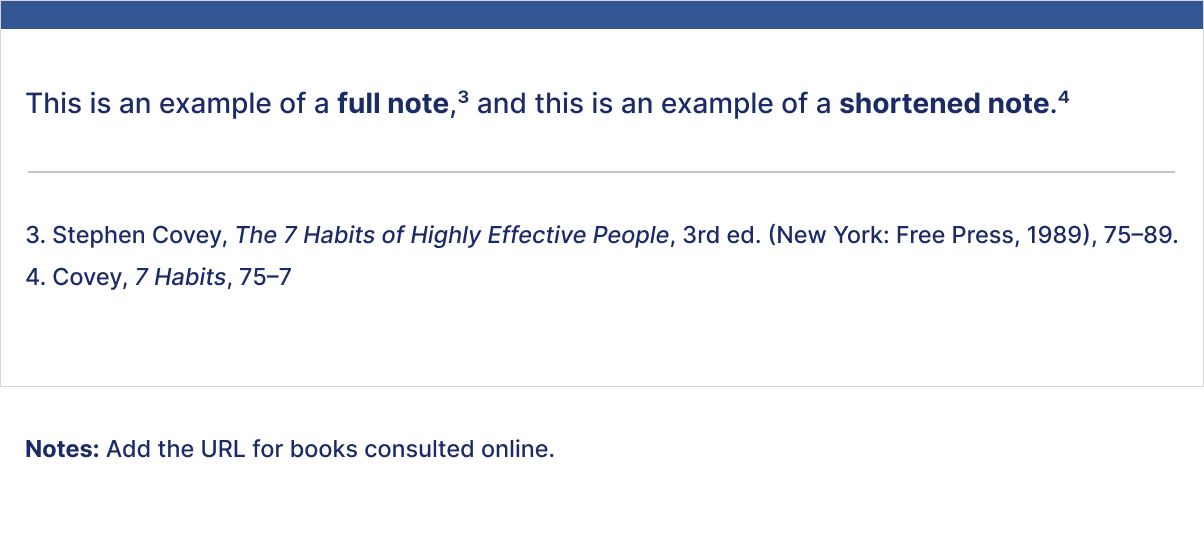
The digital age has made a vast repository of photographs accessible online. Citing these images requires careful attention to detail, especially regarding the source of the image, its URL, and the date of access. Chicago style offers specific guidelines for various online platforms.
Photographs from Websites
When citing a photograph found on a general website, you should include information about the creator, the title of the image, the website’s name, the publisher (if different from the website name), the publication date, and the URL. Crucially, include the date you accessed the image.
Footnotes/Endnotes
4. “Sunrise over Grand Canyon,” National Park Service, last modified August 10, 2022, https://www.nps.gov/grca/photos/index.htm, accessed October 26, 2023.
Bibliography
“Sunrise over Grand Canyon.” National Park Service. Last modified August 10, 2022. https://www.nps.gov/grca/photos/index.htm. Accessed October 26, 2023.
If the photographer is identified, include their name at the beginning of the citation:
Footnotes/Endnotes
5. Annie Griffiths, photograph, “Children in Masai Mara,” National Geographic, accessed October 26, 2023, https://www.nationalgeographic.com/photography/photos/masai-mara-children/.
Bibliography
Griffiths, Annie. Photograph. “Children in Masai Mara.” National Geographic. Accessed October 26, 2023. https://www.nationalgeographic.com/photography/photos/masai-mara-children/.
Photographs from Social Media Platforms
Social media platforms like Instagram, Flickr, or X (formerly Twitter) are common sources for images. The citation should identify the user, the content of the post, the platform, the date of the post, and the URL.
Footnotes/Endnotes
6. @travelphotographer, “Breathtaking view of Machu Picchu ruins at sunrise,” Instagram, September 20, 2023, https://www.instagram.com/p/Cyk1n23M7b/. (Note: Replace @travelphotographer with the actual username and adjust the URL and date accordingly.)
Bibliography
@travelphotographer. “Breathtaking view of Machu Picchu ruins at sunrise.” Instagram. September 20, 2023. https://www.instagram.com/p/Cyk1n23M7b/.
It’s essential to be as specific as possible. If the post includes more context or descriptive text, incorporate that into the citation.
Photographs from Archives and Digital Collections
Many institutions offer digitized photograph collections. When citing from these, include the archive’s name, the collection name, the item title or description, the accession number (if available), and the URL.
Footnotes/Endnotes
7. “Street scene in Marrakech,” albumen print, Morocco, ca. 1900, Library of Congress, Prints and Photographs Division, LC-USZ62-10000, https://www.loc.gov/pictures/item/2003684722/.
Bibliography
“Street scene in Marrakech.” Albumen print, Morocco, ca. 1900. Library of Congress, Prints and Photographs Division, LC-USZ62-10000. https://www.loc.gov/pictures/item/2003684722/.
The key here is to capture the metadata provided by the archive, which helps in locating the exact image.
Important Considerations for Photo Citations
Beyond the basic formats, several nuances can affect your photo citations in Chicago style. These include dealing with unknown creators, the distinction between using notes and a bibliography, and the importance of captions.
Unknown Creator and Title
In cases where the creator or the title of a photograph is unknown, you should indicate this in your citation.
- Unknown Creator: Begin the citation with the title of the photograph or a descriptive phrase. For example, “Untitled photograph of a [Parisian] café.”
- Unknown Title: Use a descriptive phrase in place of the title, enclosed in quotation marks or italics as appropriate for the source type. For example, “Photograph of locals at a market in Havana.”
In the bibliography, the entry would start with the descriptive phrase.
Notes and Bibliography System
Chicago style primarily uses two systems: the notes and bibliography system and the author-date system. For citing photographs, the notes and bibliography system is most common, especially in humanities fields like art history and literature, which often feature visual elements. This system uses numbered footnotes or endnotes to cite sources within the text, with a corresponding bibliography at the end of the work that provides full bibliographic details for each source.
- Footnotes/Endnotes: Provide immediate reference to the source for the reader without disrupting the flow of the text.
- Bibliography: Offers a comprehensive list of all sources used, allowing readers to find and consult them.
For visual content like photographs, this dual approach ensures that the image is clearly referenced in context and that its original source is fully detailed for further study.

Captions vs. Citations
It’s important to distinguish between a caption and a formal citation.
- Captions: These are brief descriptions placed directly below or beside an image, providing immediate context about the photo (e.g., who or what is depicted, where and when it was taken). Captions are essential for reader comprehension.
- Citations (Notes and Bibliography): These are formal references that provide bibliographic details about the source of the image, fulfilling academic and ethical requirements for attribution.
While a caption might state “Photo by John Smith,” the footnote or bibliography entry would provide the full details of Mr. Smith’s work and where it was published or found. In some cases, a detailed caption might suffice as a citation, especially in less formal academic contexts or certain types of publications, but a full note-bibliography system is generally preferred for rigorous academic work. Always consult your instructor or editor for specific requirements.
By adhering to these guidelines, you can confidently and ethically incorporate photographs into your travel writing, academic research, or any project that benefits from visual storytelling, ensuring that credit is given where it is due and that your work is well-documented.
LifeOutOfTheBox is a participant in the Amazon Services LLC Associates Program, an affiliate advertising program designed to provide a means for sites to earn advertising fees by advertising and linking to Amazon.com. Amazon, the Amazon logo, AmazonSupply, and the AmazonSupply logo are trademarks of Amazon.com, Inc. or its affiliates. As an Amazon Associate we earn affiliate commissions from qualifying purchases.