
Navigating the complexities of filing a police report in a vibrant metropolis like Chicago can seem daunting, particularly for visitors or those unfamiliar with the local procedures. Whether you are a tourist who has experienced a minor theft near the Art Institute of Chicago, a business traveler whose luggage was lost during transit through O’Hare International Airport, or a resident dealing with a property-related issue, understanding the correct channels is paramount. This guide aims to demystify the process, ensuring you can effectively report incidents to the Chicago Police Department and receive the assistance you need.

Understanding When to File a Police Report
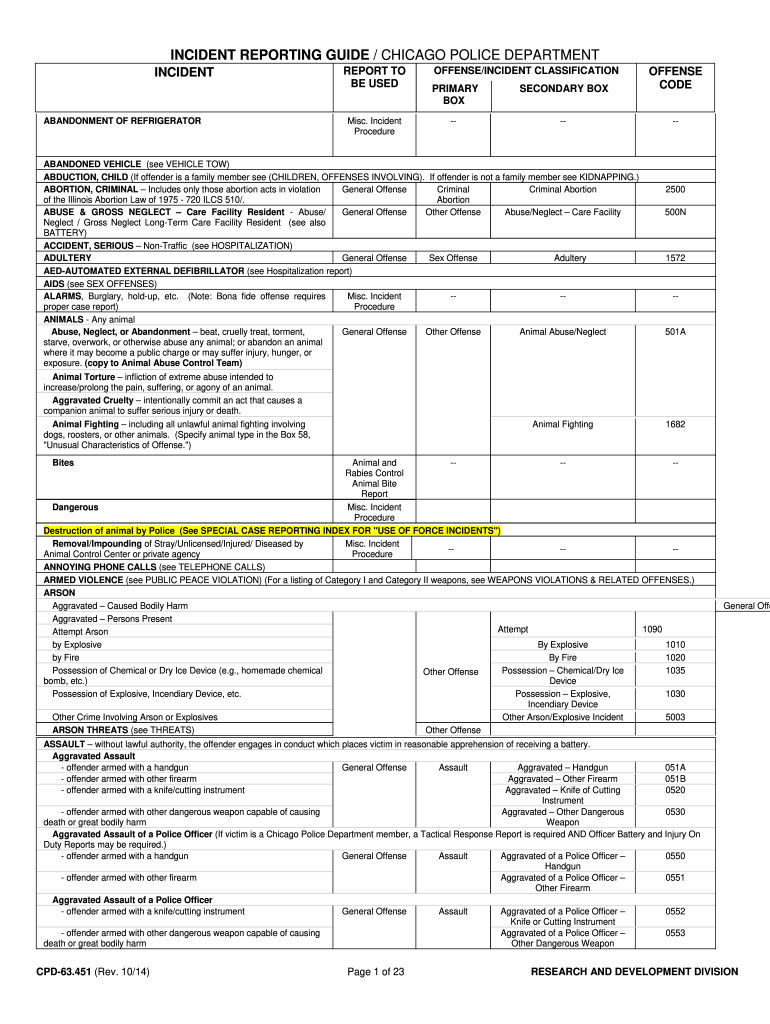
A police report serves as an official document detailing an incident. It is crucial for various reasons, including insurance claims, legal proceedings, and personal documentation. In Chicago, filing a report is generally necessary for incidents such as theft, vandalism, assaults, accidents, lost property, and any criminal activity.
Minor Incidents and Lost Property
For minor incidents, such as the loss of personal belongings like a wallet near Navy Pier or a misplaced phone during a Cubs game at Wrigley Field, filing a police report is often recommended. While the immediate recovery of such items may be unlikely, a report can be essential for:
- Insurance Claims: If you need to file a claim for stolen or lost items with your travel insurance or credit card company, a police report is usually a mandatory requirement.
- Identity Theft Prevention: If your identification or credit cards were lost, a report helps establish a record and can be crucial in disputing fraudulent charges.
- Statistical Data: Reports contribute to the overall crime statistics of the city, which can inform public safety initiatives.
Serious Crimes and Accidents
For more serious incidents, including theft of valuable items, assaults, burglaries, or significant property damage, filing a police report is an immediate and critical step. These reports initiate investigations and are vital for apprehending suspects and recovering stolen property. In the case of traffic accidents, a police report is often required by insurance companies and can help determine fault.
Methods for Filing a Police Report in Chicago
The Chicago Police Department offers several avenues for filing a report, catering to different types of incidents and urgency levels. Understanding these options will help you choose the most appropriate method.
In-Person at a Police Station
For most incidents, visiting a local police station is a standard and effective way to file a report. Chicago is divided into various police districts, each with its own station.
Locating Your Nearest Police Station
You can find the nearest police station by visiting the Chicago Police Department website or by calling their non-emergency number. Having the correct station can expedite the process.
What to Expect at the Station
Upon arrival, you will typically speak with a desk sergeant or a responding officer. Be prepared to provide a detailed account of the incident, including:
- Date, time, and location of the incident: Be as precise as possible.
- Description of what happened: A chronological narrative is most helpful.
- Description of any suspects: Include physical characteristics, clothing, and any distinguishing features.
- Description of any stolen or damaged property: Provide serial numbers, make, model, and estimated value if available.
- Any witnesses: Names and contact information of anyone who may have seen the incident.
- Your personal information: Name, address, and contact details.
An officer will document your statement, and you will usually receive a copy of the police report, often referred to as a “case number” or “incident number.”
Online Reporting
The Chicago Police Department offers an online reporting system for specific types of non-emergency incidents. This is a convenient option for those who can provide all necessary information digitally.
Eligible Incidents for Online Reporting
The online system is typically used for:
- Theft without suspect information: This includes items lost or stolen from your person or property where no suspect was identified.
- Property damage or vandalism: Where no one was injured and no suspect information is available.
- Lost property: Similar to theft without suspect information, for items that were misplaced.
- Minor traffic crashes: Where there are no injuries, fatalities, or significant property damage.
How to Use the Online Reporting System
- Visit the Official Website: Navigate to the Chicago Police Department website and look for the “Online Reporting” section.
- Select the Incident Type: Choose the category that best matches your situation.
- Fill Out the Form: Provide all requested details accurately and thoroughly. You may be able to upload supporting documents or photos.
- Review and Submit: Carefully review your submission before finalizing it.
- Receive Confirmation: Upon successful submission, you will receive a case number or a confirmation of your report, often via email.
The online system is ideal for creating a record for insurance purposes or for incidents where an immediate physical police presence is not required. However, for any incident involving violence, significant financial loss, or immediate danger, an in-person report or a call to 911 is necessary.
Via Phone (Non-Emergency)

For situations that do not require an immediate police response but still necessitate a report, you can call the Chicago Police Department’s non-emergency number.
When to Use the Non-Emergency Number
This number is best suited for:
- Reporting non-urgent crimes: Such as a past burglary where no suspect is present.
- Providing information: About ongoing criminal activity.
- Requesting a police presence: For situations that are not immediate emergencies but require official documentation.
The Non-Emergency Line Process
When you call the non-emergency line, an operator will assess your situation. They may:
- Dispatch an officer: To take your report in person, especially if the incident is recent or complex.
- Advise you to file online: If the incident meets the criteria for online reporting.
- Provide guidance: On the next steps to take.
The non-emergency number for the Chicago Police Department is 311 within the city limits, or 312-746-6000 from outside the city or from a mobile phone.
Emergency Situations (911)
In any situation where there is an immediate threat to life, safety, or property, or if a crime is in progress, you should always call 911.
Situations Requiring 911
- Violent crimes in progress: Assaults, robberies, active shootings.
- Fires and medical emergencies: Requiring immediate assistance.
- Witnessing a serious crime: Where suspects may still be in the area.
- Domestic disturbances: When there is a risk of violence.
The 911 Call Process
When you call 911, clearly state:
- Your location: Be specific with street names and cross streets.
- The nature of the emergency: What is happening?
- If anyone is injured:
- If weapons are involved:
- Any descriptions of suspects:
Stay on the line until the dispatcher tells you to hang up. A police officer or emergency responder will be dispatched to your location as quickly as possible. For all 911 incidents, a police report will be generated by the responding officers.
Essential Tips for Filing Your Report
To ensure your police report is comprehensive and effective, keep these tips in mind:
Be Prepared and Organized
Before you file, gather all relevant information. This includes dates, times, locations, names of involved parties, witness contacts, and details about any property. If your phone or laptop was stolen, have the serial numbers ready if possible. For accidents, have insurance information handy.
Be Truthful and Accurate
Provide only factual information. Exaggerations or false statements can hinder an investigation and have legal consequences. Stick to what you know and saw.
Be Specific and Detailed
The more precise you are, the more helpful the report will be. Instead of saying “my bag was stolen,” specify what was in the bag, its brand, color, and estimated value. For descriptions, detail clothing, height, build, hair color, and any distinguishing marks.
Document Everything
Keep copies of all documents related to the incident, including receipts for stolen items, photos of damage, and any communication you have had with the police or other authorities. Note down the badge numbers of officers you speak with and the case number.
Follow Up
Depending on the nature of the incident, you may need to follow up on your report. If you filed online or by phone and an officer was not dispatched, you might be able to check the status of your report through the Chicago Police Department website or by contacting the relevant district. For ongoing investigations, an investigator may contact you.
Filing a police report in Chicago is a procedural step that, while sometimes stressful, is essential for resolving incidents and ensuring your safety and security. By understanding the available methods and preparing adequately, you can navigate this process efficiently, whether you are a visitor exploring landmarks like the Willis Tower or a local resident.
LifeOutOfTheBox is a participant in the Amazon Services LLC Associates Program, an affiliate advertising program designed to provide a means for sites to earn advertising fees by advertising and linking to Amazon.com. Amazon, the Amazon logo, AmazonSupply, and the AmazonSupply logo are trademarks of Amazon.com, Inc. or its affiliates. As an Amazon Associate we earn affiliate commissions from qualifying purchases.