
The question of safety is paramount for any traveler considering a new destination. When comparing cities like Austin and Chicago, potential visitors often seek a clear understanding of the security landscape. While both are vibrant metropolises offering unique cultural experiences, a nuanced look at their safety profiles is essential for informed travel planning. This exploration aims to provide a balanced perspective, moving beyond sensational headlines to offer practical insights for those planning a visit to either of these dynamic American cities.
Understanding Crime Statistics and Perceptions
When discussing the safety of any city, it’s crucial to differentiate between statistical crime rates and the general perception of safety among residents and visitors. Crime statistics are typically compiled by law enforcement agencies and can include various categories such as violent crime (homicide, robbery, aggravated assault) and property crime (burglary, larceny, motor vehicle theft). Perceptions of safety, on the other hand, are more subjective and can be influenced by media coverage, personal experiences, and anecdotal evidence.

Violent Crime Rates
Both Austin and Chicago have experienced fluctuations in violent crime rates over the years, mirroring trends seen in many other large cities across the United States. It is important to consult the most recent data from official sources, such as the FBI Uniform Crime Reporting (UCR) Program or local police department reports, for accurate comparisons. Generally, major urban centers tend to have higher crime rates than smaller towns or rural areas. However, the type and concentration of crime can vary significantly.
For instance, a city might have a high overall violent crime rate, but these incidents might be concentrated in specific neighborhoods. Conversely, another city might have a lower overall rate but experience isolated, high-profile incidents that can shape public perception. Travelers should look at city-wide averages as well as crime maps if available for specific areas they intend to visit.
Property Crime Trends
Property crime is another significant factor to consider. This can range from petty theft to more serious offenses like car break-ins. Again, statistics provide a factual basis for understanding these trends. Both Austin and Chicago have neighborhoods where property crime is more prevalent. Awareness of these trends can help travelers take appropriate precautions, such as securing valuables and being mindful of their surroundings, particularly in crowded tourist areas or when parking vehicles.
Public Perception vs. Reality
It is a well-documented phenomenon that public perception of safety can sometimes diverge from statistical reality. Extensive media coverage of crime, even if it represents a small fraction of incidents, can disproportionately influence how safe a city is perceived to be. Chicago, for example, has often been in the national spotlight regarding its crime rates. However, millions of tourists visit Chicago each year without incident, enjoying its world-class museums, architecture, and culinary scene. Similarly, Austin, known for its live music and outdoor lifestyle, also experiences crime, as any city of its size would. Understanding this gap is crucial for making an objective assessment.
Navigating Austin: Safety Considerations for Travelers
Austin, the capital of Texas, is celebrated for its vibrant music scene, innovative spirit, and outdoor recreation opportunities. While generally considered a safe city, like any urban environment, it has areas where caution is advised.
Downtown and Entertainment Districts
Areas like Downtown Austin and the popular entertainment districts such as Sixth Street and Rainey Street are usually bustling with activity, especially during evenings and weekends. While these areas are heavily patrolled, they can also be targets for petty theft and occasional incidents related to nightlife. Travelers should be aware of their surroundings, keep personal belongings secure, and avoid walking alone late at night in less populated sections. Using ride-sharing services or taxis is often a sensible choice for returning to accommodation after dark.
Residential Neighborhoods and Outlying Areas
Beyond the central tourist hubs, Austin is comprised of diverse residential neighborhoods. Some outlying areas or less developed parts of the city might have higher crime rates, mirroring patterns found in most metropolitan areas. For tourists sticking to major attractions and well-trafficked zones, these concerns are often minimal. However, if exploring further afield, it is always wise to research the specific neighborhood or consult local advice.
Outdoor Activities and Natural Attractions
Austin offers numerous natural attractions, from Barton Creek Greenbelt to Zilker Park. When engaging in outdoor activities, safety is paramount. This includes staying on marked trails, being aware of wildlife, and informing someone of your plans if venturing into more remote areas. For water activities on Lady Bird Lake, adhering to safety guidelines for swimming and boating is essential.
General Safety Tips for Austin
- Be aware of your surroundings: Especially in crowded areas and at night.
- Secure valuables: Never leave bags or electronics unattended in public.
- Use reputable transportation: Stick to licensed taxis or well-known ride-sharing apps.
- Stay informed: Check local news for any alerts or advisories.
- Trust your instincts: If an area feels unsafe, leave.
Exploring Chicago: Safety Insights for Visitors
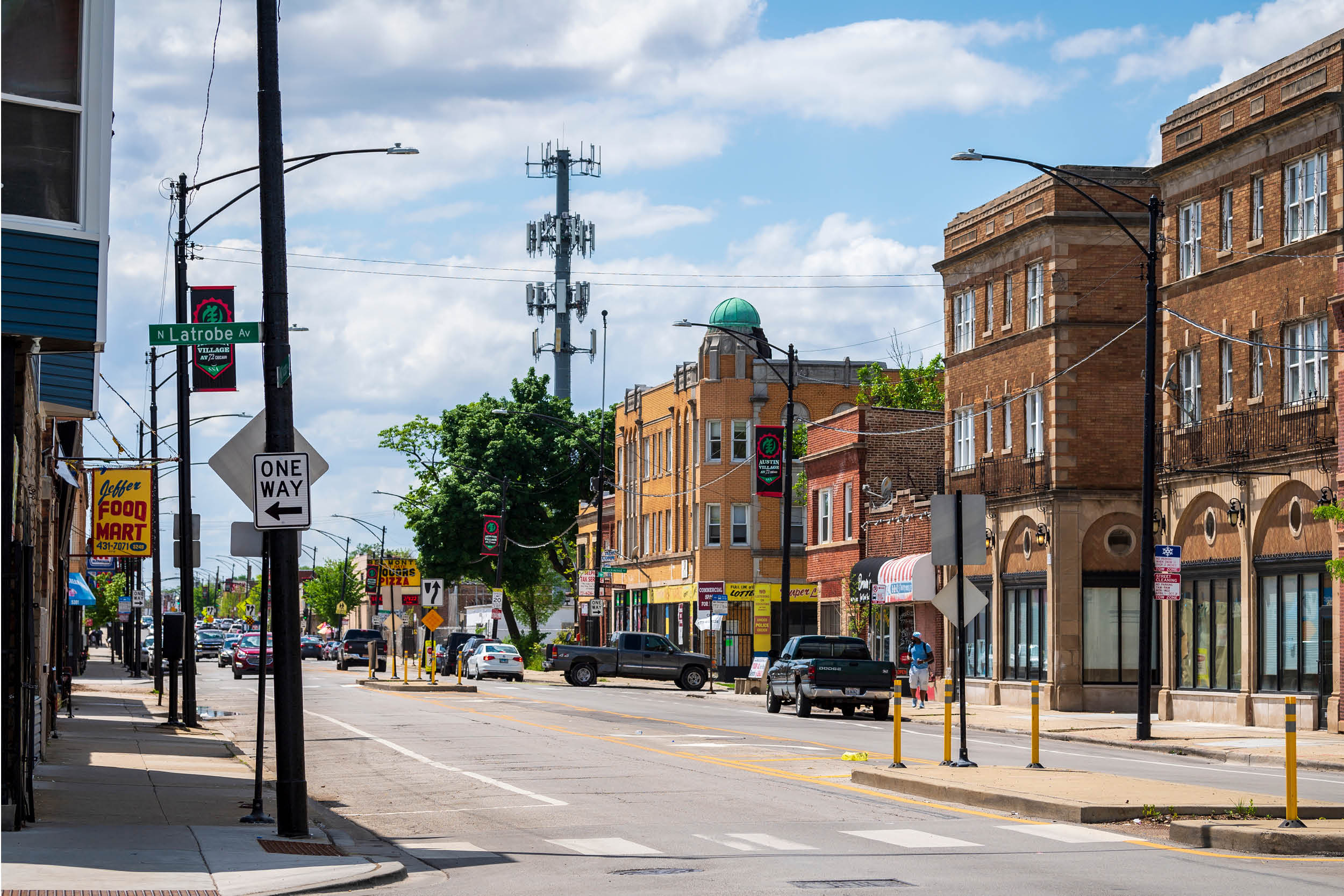
Chicago, the “Windy City,” is renowned for its stunning architecture, world-class museums like the Art Institute of Chicago, deep-dish pizza, and vibrant cultural scene. Like any major global city, it has its safety considerations that travelers should be aware of.
Downtown and Tourist Hotspots
The primary tourist areas, including the Magnificent Mile, Navy Pier, Millennium Park (home to the Cloud Gate sculpture), and museum campuses, are generally considered safe, particularly during daytime hours. These areas are heavily trafficked by both tourists and locals, and there is a significant police presence. However, as with any popular destination, pickpocketing and opportunistic theft can occur. It is advisable to remain vigilant, keep belongings secure, and be aware of crowded situations.
Neighborhood Safety and Diversification
Chicago is a city of diverse neighborhoods, each with its unique character and safety profile. While the downtown core and popular tourist zones are generally safe, some neighborhoods on the city’s South and West Sides have experienced higher rates of violent crime. This does not mean these areas are inherently dangerous for all visitors, but it highlights the importance of research and awareness. Tourists are unlikely to wander into these areas unintentionally unless they have specific reasons to do so. For those looking to experience the authentic neighborhoods of Chicago beyond the typical tourist path, it’s best to go with a local guide or thoroughly research the area beforehand.
Public Transportation
Chicago boasts an extensive public transportation system, including the ‘L’ train and bus network. While generally efficient and widely used by tourists to get around, it’s advisable to exercise caution, especially during off-peak hours or on less crowded routes. Keeping personal items secure and being aware of your surroundings on trains and at stations is a good practice.
Nightlife and Evening Activities
Chicago’s nightlife, particularly in areas like River North and parts of Lincoln Park, is a major draw. As with any city’s entertainment districts, it’s important to be mindful of consuming alcohol responsibly and to stick with your group. Using ride-sharing services or taxis to return to your accommodation is often the safest option after a night out.
General Safety Tips for Chicago
- Stay in well-lit and populated areas: Especially after dark.
- Keep valuables out of sight: Avoid flashing expensive jewelry or electronics.
- Be wary of distractions: Thieves sometimes work in pairs, with one distracting you while another acts.
- Utilize ride-sharing or taxis: For late-night travel or when unsure of an area.
- Familiarize yourself with public transport etiquette: And be mindful of your belongings.
Making an Informed Decision for Your Trip
Ultimately, the question of “Is Austin or Chicago safe?” does not have a simple yes or no answer. Both cities, like most major urban destinations worldwide, present a complex picture of safety that varies by neighborhood, time of day, and individual circumstances.
Factors Influencing Travel Safety
Several factors contribute to a traveler’s overall safety experience:
- Awareness: Being informed about potential risks and knowing how to mitigate them is key. This includes researching neighborhoods, understanding local customs, and staying updated on any local advisories.
- Behavior: How a traveler behaves can significantly impact their safety. Staying in well-lit areas, not displaying wealth conspicuously, and avoiding risky situations are crucial.
- Location within the City: The vast majority of tourist activities in both Austin and Chicago take place in areas that are generally safe and well-maintained.
- Time of Day: As with any city, nighttime can present increased risks, particularly in less populated areas.
Comparing the Two Destinations
When directly comparing Austin and Chicago in terms of safety, it’s important to consider their size and demographic makeup. Chicago is a significantly larger city with a more sprawling urban landscape, which can lead to greater variations in crime rates across its many distinct neighborhoods. Austin, while growing rapidly, is still a somewhat more compact city, with its core tourist areas being highly concentrated.
Both cities have made concerted efforts to enhance public safety, particularly in areas frequented by tourists. Police presence is visible in major attractions, and many businesses and local governments are invested in community safety initiatives.

Conclusion for Travelers
For the average tourist who plans to visit the well-known landmarks, enjoy the culinary scenes, and experience the cultural offerings of either Austin or Chicago, the risk of encountering serious safety issues is relatively low, provided they exercise common sense and follow standard travel safety precautions.
- For Austin: Travelers can expect a generally safe environment, with typical urban concerns in bustling entertainment districts and a need for awareness in less frequented areas.
- For Chicago: Visitors can enjoy a world-class city experience, with the primary need for caution being awareness of specific neighborhoods and taking standard precautions in high-traffic tourist zones and on public transit.
Ultimately, both Austin and Chicago are rewarding travel destinations. By prioritizing awareness, practicing sensible precautions, and staying informed, travelers can confidently explore the unique charms of both cities and ensure a safe and enjoyable trip.
LifeOutOfTheBox is a participant in the Amazon Services LLC Associates Program, an affiliate advertising program designed to provide a means for sites to earn advertising fees by advertising and linking to Amazon.com. Amazon, the Amazon logo, AmazonSupply, and the AmazonSupply logo are trademarks of Amazon.com, Inc. or its affiliates. As an Amazon Associate we earn affiliate commissions from qualifying purchases.