
The question of whether Chicago is cold is a perennial one, often colored by a certain romanticized image of a windswept metropolis battered by blizzards. While it’s true that Chicago experiences a distinct winter season, its reputation for being perpetually frozen is a nuanced one. Understanding the city’s climate requires looking beyond the stereotype and examining its seasonal variations, the factors that influence its temperature, and how residents and visitors alike navigate its chill.
Understanding Chicago’s Climate
Chicago, situated on the southwestern shore of Lake Michigan, boasts a humid continental climate. This classification signifies significant seasonal temperature differences, with hot summers and cold winters. The presence of the lake plays a crucial role in moderating temperatures, particularly during the spring and autumn, but it can also contribute to the intensity of winter storms.

Seasonal Temperature Trends
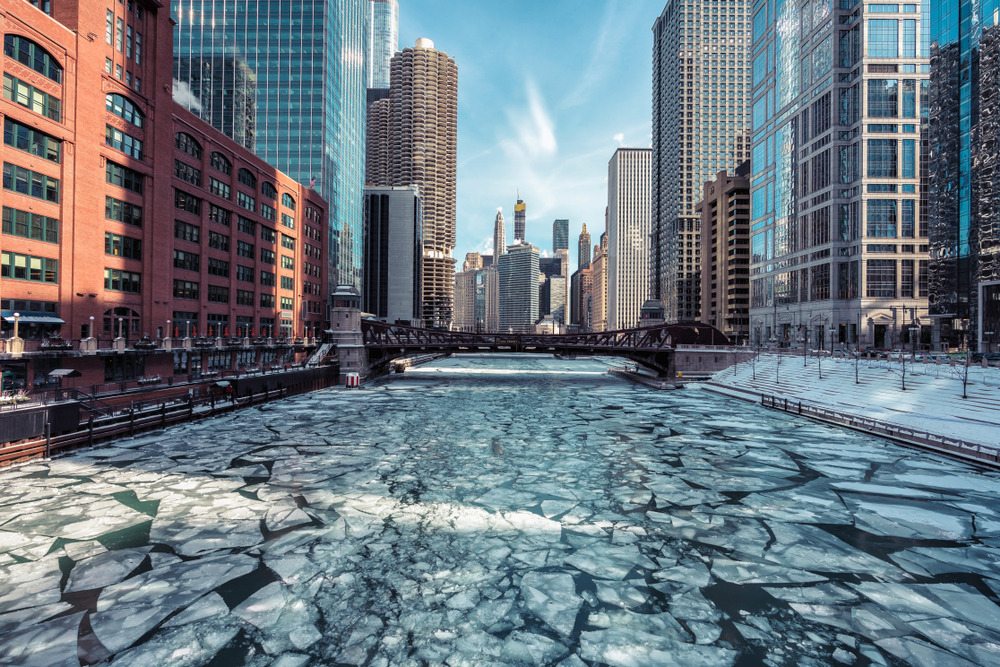
Winter (December – February): This is undoubtedly the coldest period in Chicago. Average daily temperatures hover around freezing, with frequent dips well below. Snowfall is common, and blizzards, though not an everyday occurrence, are a memorable feature of the city’s winters. The wind, often sweeping off the frozen lake, can make the “wind chill” factor feel even more severe, leading to the nickname “The Windy City,” though the origin of the nickname is debated and not solely attributed to weather.
Spring (March – May): Spring in Chicago is a period of transition. Early spring can still be quite chilly, with lingering snow and frost. However, as the season progresses, temperatures gradually rise, bringing welcome relief. The lakefront can remain cool, while inland areas warm up more quickly. Spring is also known for its variability, with sudden cold snaps or early warm spells.
Summer (June – August): Summers in Chicago are typically warm to hot and humid. Average daily temperatures are in the 70s and 80s Fahrenheit, with heatwaves pushing into the 90s. The lake provides a refreshing influence, and lakefront breezes can offer a welcome respite from the heat. Humidity can make the air feel muggy, but overall, summer is a vibrant and enjoyable time in the city.
Autumn (September – November): Autumn is often considered one of Chicago’s most beautiful seasons. The crisp air, the changing foliage, and the clear blue skies create a picturesque setting. Temperatures are mild in early autumn, gradually cooling as the season progresses. By late November, winter’s chill begins to assert itself, with frost and the first snowfalls becoming more likely.
Factors Influencing Temperature
The most significant climatic influence on Chicago is its proximity to Lake Michigan. The vast body of water acts as a thermal regulator. In summer, it keeps the city cooler than inland locations, absorbing heat and releasing it slowly. In winter, it keeps the city slightly warmer than surrounding areas, though it also contributes to the formation of lake-effect snow and can amplify the effects of cold air masses.
Another critical factor is Chicago’s location in the path of continental air masses. Cold air from Canada can sweep down unimpeded, bringing sharp drops in temperature. Conversely, warm, moist air from the Gulf of Mexico can fuel summer heatwaves and thunderstorms. The city’s position in the interior of the North American continent, far from the moderating influence of large oceans, contributes to its dramatic seasonal swings.
Navigating Chicago’s Winter
While the statistics confirm that Chicago gets cold, the experience of that cold is highly manageable with the right approach. The city’s infrastructure and its inhabitants are well-adapted to its winter climate.
Dressing for the Elements
Layering is the key to comfort in a Chicago winter. Base layers of thermal wear, insulating mid-layers of fleece or wool, and a windproof and waterproof outer shell are essential. Accessories like a warm hat, gloves or mittens, and a scarf or neck gaiter can make a significant difference. Footwear should be insulated and waterproof. It’s not just about surviving the cold; it’s about enjoying the city despite it.
Indoor Escapes and Winter Activities
Chicago offers an abundance of indoor attractions that are perfect for escaping the winter chill. World-class museums such as the Art Institute of Chicago and the Field Museum provide hours of exploration. The iconic architecture can be admired from within, perhaps on a boat tour that operates year-round or by visiting the observation decks of skyscrapers like the Willis Tower (formerly Sears Tower) or the John Hancock Center.
For those who embrace the cold, Chicago offers its own brand of winter magic. Ice skating rinks pop up in popular locations like Millennium Park. The city’s parks transform into winter wonderlands, offering opportunities for brisk walks and enjoying the snow-covered landscapes. Even amidst the snow, the vibrant culinary scene and the lively arts and theater districts continue to thrive, providing warm and engaging experiences.
Transportation in Winter
Chicago’s public transportation system, the CTA (Chicago Transit Authority), is robust and operates reliably even during severe weather. The ‘L’ trains, elevated and subway lines, offer a warm and efficient way to navigate the city, bypassing road traffic. Buses are also a viable option, though they may experience slight delays during heavy snowfall. Driving in winter requires caution, as roads can become icy, and parking can be challenging due to snow removal efforts. Many visitors opt to rely on ride-sharing services or public transit to avoid the stresses of winter driving.
Debunking the Myth of Perpetual Cold
While Chicago undeniably experiences cold winters, the perception of it being a perpetually frigid city is an oversimplification. The city is a destination that can be enjoyed year-round, with each season offering a unique set of charms and activities.
Beyond the Winter Narrative
It is crucial to recognize that Chicago has three other distinct seasons that are often balmy and pleasant. The summer months, in particular, are a draw for many tourists seeking vibrant urban experiences, outdoor festivals, and waterfront activities. Spring and autumn offer mild temperatures and beautiful scenery, making them ideal for exploring the city’s parks, neighborhoods, and cultural institutions at a comfortable pace.

Weather vs. Experience
The experience of a city’s climate is subjective and heavily influenced by preparation and attitude. A visitor armed with appropriate clothing and a willingness to embrace the season can find Chicago in winter to be a captivating experience. The crisp air, the unique beauty of a snow-dusted city, and the cozy indoor havens all contribute to a memorable visit. Conversely, someone unprepared or averse to cold weather might find even a mild day uncomfortable.
Ultimately, the question “Is Chicago cold?” doesn’t have a simple yes or no answer. It is a city that experiences cold, sometimes intensely so, but it is also a city that thrives through its seasons, offering a rich tapestry of experiences for those who visit or call it home. Its reputation for cold is an undeniable part of its identity, but it is a part that is balanced by a lively spirit and an array of attractions that invite exploration regardless of the thermometer’s reading.
LifeOutOfTheBox is a participant in the Amazon Services LLC Associates Program, an affiliate advertising program designed to provide a means for sites to earn advertising fees by advertising and linking to Amazon.com. Amazon, the Amazon logo, AmazonSupply, and the AmazonSupply logo are trademarks of Amazon.com, Inc. or its affiliates. As an Amazon Associate we earn affiliate commissions from qualifying purchases.