
The perception of a city’s safety is a complex tapestry woven from statistics, media narratives, and personal experiences. When the question of whether Chicago is the most dangerous city in the United States arises, it’s crucial to dissect the available data and understand the nuances beyond sensational headlines. While Chicago has grappled with significant challenges related to crime, particularly gun violence, a comprehensive analysis reveals a more intricate picture, one that often overlooks the city’s vibrant culture, iconic landmarks, and the experiences of millions of visitors and residents who navigate its streets safely every day.

Understanding Crime Statistics and Their Limitations
To address the question of danger, one must first engage with crime statistics. These numbers, often derived from reports by law enforcement agencies, provide a quantitative measure of criminal activity. However, their interpretation requires careful consideration.
Violent Crime Rates: A Closer Look
Violent crime, typically encompassing murder, rape, robbery, and aggravated assault, is often the focal point of discussions about urban safety. Chicago has indeed experienced periods of high violent crime rates, particularly concerning homicides. These statistics, when presented in isolation, can paint a stark picture. However, it’s vital to contextualize these numbers within broader trends and compare them to other major urban centers.
Many cities across the United States experience fluctuations in crime rates, influenced by a myriad of socioeconomic factors, policing strategies, and community dynamics. Focusing solely on raw numbers without considering population density, the specific nature of the crimes, and the geographical distribution within the city can lead to a skewed perception. For instance, crime is often concentrated in specific neighborhoods, and generalizations about the entire metropolis can be misleading for tourists planning a visit to areas like the Magnificent Mile or the Loop.
Property Crime and Perceptions
Beyond violent crime, property crimes like burglary, theft, and motor vehicle theft also contribute to a city’s overall safety profile. While these crimes may not carry the same immediate threat to life, they can significantly impact residents’ and visitors’ sense of security. Again, the spatial distribution of these incidents is key. Areas popular with tourists, such as near hotels like the Palmer House or the Thompson Chicago, often have enhanced security measures and a lower incidence of property crime compared to other parts of the city.
It’s also important to acknowledge the role of media reporting. Incidents in high-profile cities like Chicago often receive widespread attention, which can amplify public concern and contribute to a perception of danger that may not be entirely aligned with the daily reality for most people.
Chicago as a Tourist Destination: A Different Perspective
When viewed through the lens of tourism, the narrative surrounding Chicago shifts dramatically. Millions of tourists flock to the city annually, drawn by its world-class attractions, cultural institutions, and culinary scene. The safety concerns that might be amplified in national discussions often do not translate into a deterring factor for visitors.
Navigating the City Safely
For the vast majority of tourists, a visit to Chicago is a safe and enjoyable experience. The city’s primary tourist areas, including the Magnificent Mile, Navy Pier, Millennium Park, and the museum campus, are generally well-patrolled and experience very low rates of crime impacting visitors. These areas are designed with public safety in mind, and law enforcement presence is often visible.
Utilizing public transportation, such as the CTA ‘L’ trains and buses, is a common and efficient way for tourists to explore the city. While it’s always wise to be aware of your surroundings on public transit in any major city, these systems are generally safe and provide access to all major attractions, from the Art Institute of Chicago to Wrigleyville.

Recommendations for Travelers
Travelers visiting Chicago are advised to exercise the same precautions they would in any large urban environment. This includes:
- Awareness of surroundings: Be mindful of your personal belongings, especially in crowded areas.
- Avoiding isolated areas at night: Stick to well-lit and populated streets, particularly after dark.
- Securing valuables: Keep cash and electronics out of sight when not in use.
- Researching neighborhoods: If venturing off the beaten path, familiarize yourself with the general safety of the area.
These simple guidelines help ensure a smooth and incident-free trip, allowing visitors to fully immerse themselves in what Chicago has to offer.
The Economic and Cultural Vibrancy of Chicago
Beyond the crime statistics and the tourist experience, Chicago is a city defined by its immense economic power, rich history, and diverse cultural landscape. These aspects contribute to its identity and draw millions to its shores, often overshadowing the sensationalized aspects of its safety profile.
Architectural Marvels and Iconic Landmarks
Chicago is renowned globally for its stunning architecture. The city boasts a history of groundbreaking architectural innovation, from the early skyscrapers of the early 20th century to modern marvels. Iconic structures like the Willis Tower (formerly the Sears Tower), the John Hancock Center, and the contemporary designs found in its downtown core are major draws. Boat tours along the Chicago River offer unparalleled views of this architectural heritage, a popular activity for visitors.
A Cultural Hub
The city is a powerhouse of arts and culture. World-class institutions like the Art Institute of Chicago, the Field Museum, and the Museum of Science and Industry attract visitors eager to explore history, art, and science. The performing arts scene thrives with venues such as the Chicago Symphony Orchestra and numerous theaters offering a diverse range of entertainment.
The city’s culinary landscape is equally celebrated, from Michelin-starred restaurants to iconic deep-dish pizza joints. Neighborhoods like Wicker Park and Lincoln Park offer vibrant culinary exploration.
Addressing the Root Causes
It is important to acknowledge that crime in Chicago, as in many large cities, is often linked to systemic issues such as poverty, lack of opportunity, and historical disinvestment in certain communities. Efforts to address these root causes are ongoing and crucial for long-term improvement in public safety. However, these complex societal challenges do not diminish the appeal and accessibility of the city for millions of visitors who come to experience its unique offerings.
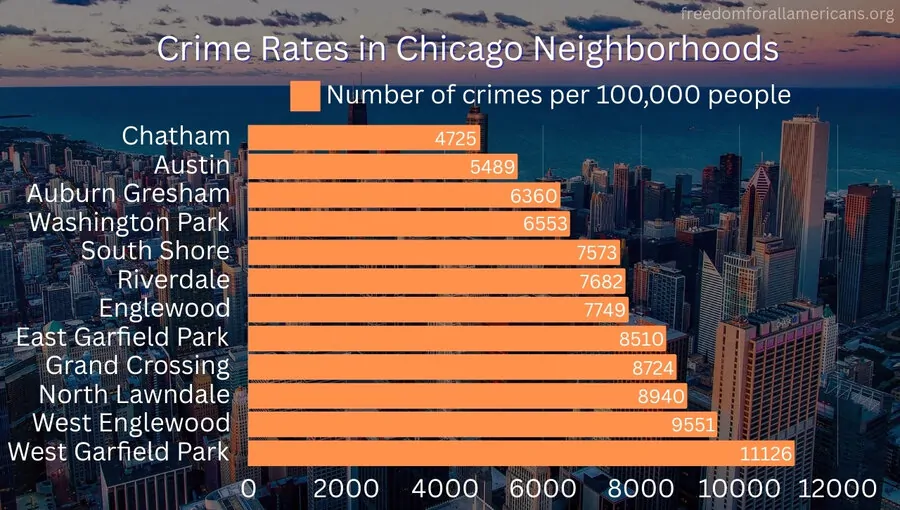
Conclusion: A City of Contrasts
Ultimately, the question of whether Chicago is the most dangerous city in the United States is not a simple yes or no. While the city faces legitimate challenges with crime, particularly in specific areas, it remains a premier global destination for tourism, culture, and business. The vast majority of visitors and residents experience Chicago as a dynamic, welcoming, and safe metropolis, rich with experiences waiting to be discovered. Focusing on nuanced understanding, exercising standard urban travel precautions, and appreciating the full spectrum of what Chicago offers provides a more accurate and fulfilling perspective than relying on simplistic or alarmist narratives. The city’s enduring appeal as a vibrant hub of activity and culture speaks volumes about its resilience and the positive experiences shared by millions each year.
LifeOutOfTheBox is a participant in the Amazon Services LLC Associates Program, an affiliate advertising program designed to provide a means for sites to earn advertising fees by advertising and linking to Amazon.com. Amazon, the Amazon logo, AmazonSupply, and the AmazonSupply logo are trademarks of Amazon.com, Inc. or its affiliates. As an Amazon Associate we earn affiliate commissions from qualifying purchases.