
Understanding time zones is crucial for seamless travel, especially when planning a trip to a dynamic metropolis like Chicago. The question “What Is America Chicago Time Zone?” might seem straightforward, but delving into its specifics can enhance your travel experience, ensuring you arrive on time for flights, tours, and dining reservations. Chicago operates within the Central Time Zone (CT) in the United States, a vital piece of information for any traveler.
Navigating the Central Time Zone
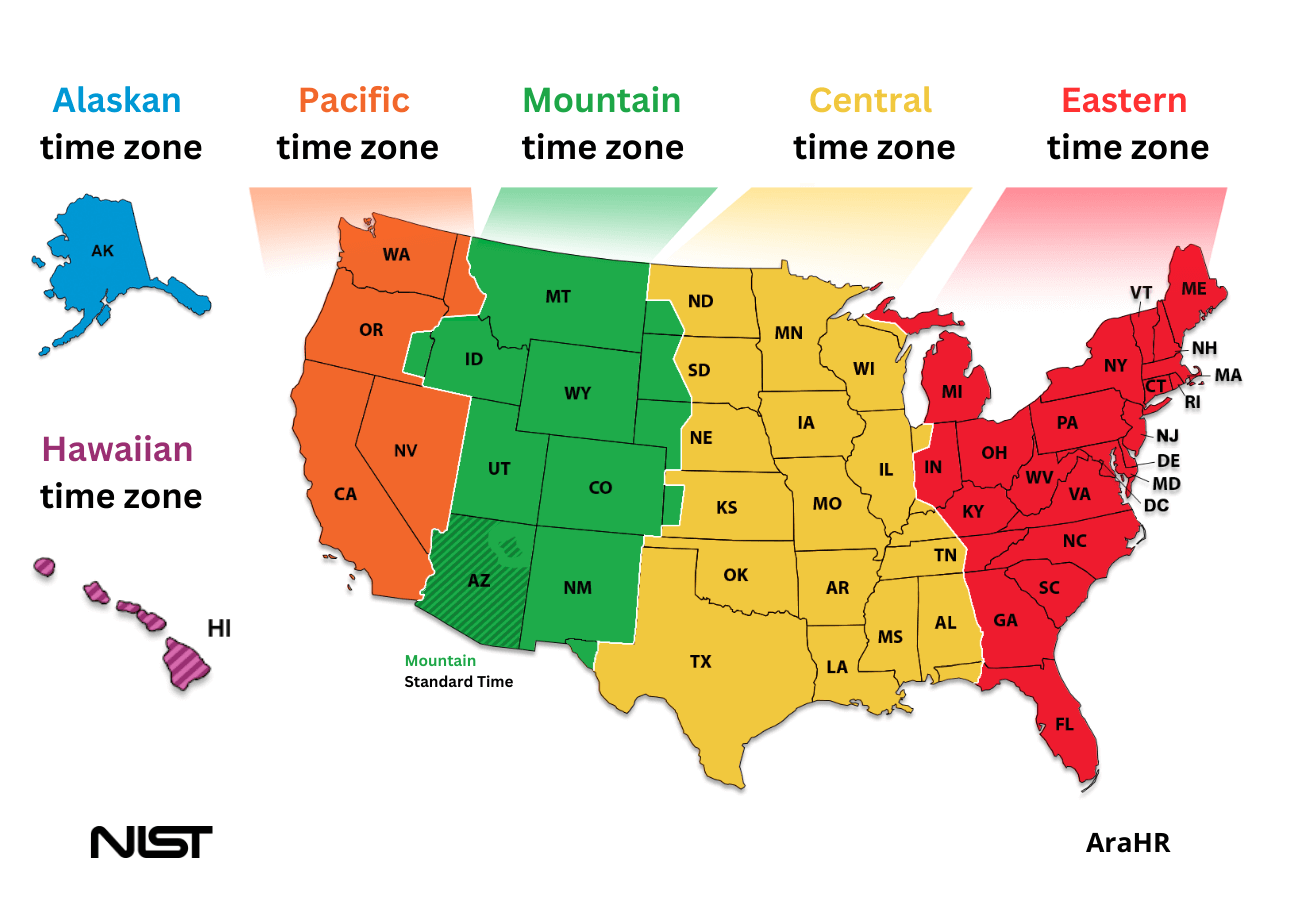
The Central Time Zone is one of the six standard time zones in North America, spanning a significant portion of the central United States. It is situated between the Eastern Time Zone and the Mountain Time Zone. During standard time, Central Standard Time (CST) is UTC-6, meaning it is six hours behind Coordinated Universal Time. However, like much of the United States, Chicago observes Daylight Saving Time.

Daylight Saving Time in Chicago
From the second Sunday in March to the first Sunday in November, Chicago transitions to Central Daylight Time (CDT). During this period, the time shifts forward by one hour, making it UTC-5. This shift is a common practice across the United States to maximize daylight hours during warmer months. It’s essential to be aware of these transitions to avoid confusion, particularly when booking flights or coordinating with individuals in different time zones. For example, if you are traveling from New York City, which is in the Eastern Time Zone, you will typically set your watch back one hour upon arrival in Chicago. If you are coming from Denver, in the Mountain Time Zone, you will set your watch forward one hour.
Practical Implications for Travelers
Understanding the Chicago time zone, the Central Time Zone, has practical implications for every aspect of your visit. When booking flights to Chicago O’Hare International Airport or Midway International Airport, always confirm the arrival and departure times in local Chicago time. This prevents the common pitfall of miscalculating arrival times, which can lead to missed connections or delays in your itinerary.
When planning your accommodation, whether it’s a stay at the luxurious The Langham, Chicago or a comfortable suite at the Thompson Chicago, knowing the local time helps in scheduling check-ins and check-outs. Many hotels offer services that operate on local time, and being punctual ensures a smooth experience.
For those interested in Chicago’s vibrant cultural scene, time zone awareness is equally important. Museum opening hours, showtimes at the Chicago Theatre, and reservation times for world-class restaurants like those in the West Loop all adhere to Central Time. This applies to activities as well, from boat tours on the Chicago River to exploring iconic landmarks like the Willis Tower (formerly the Sears Tower) and enjoying the views from the Skydeck Chicago.
Understanding Time Zone Differences
The Central Time Zone is part of a broader system of timekeeping that governs global interactions. For travelers coming from abroad, understanding the difference between Chicago time and their local time is paramount.
Relative to Other US Time Zones
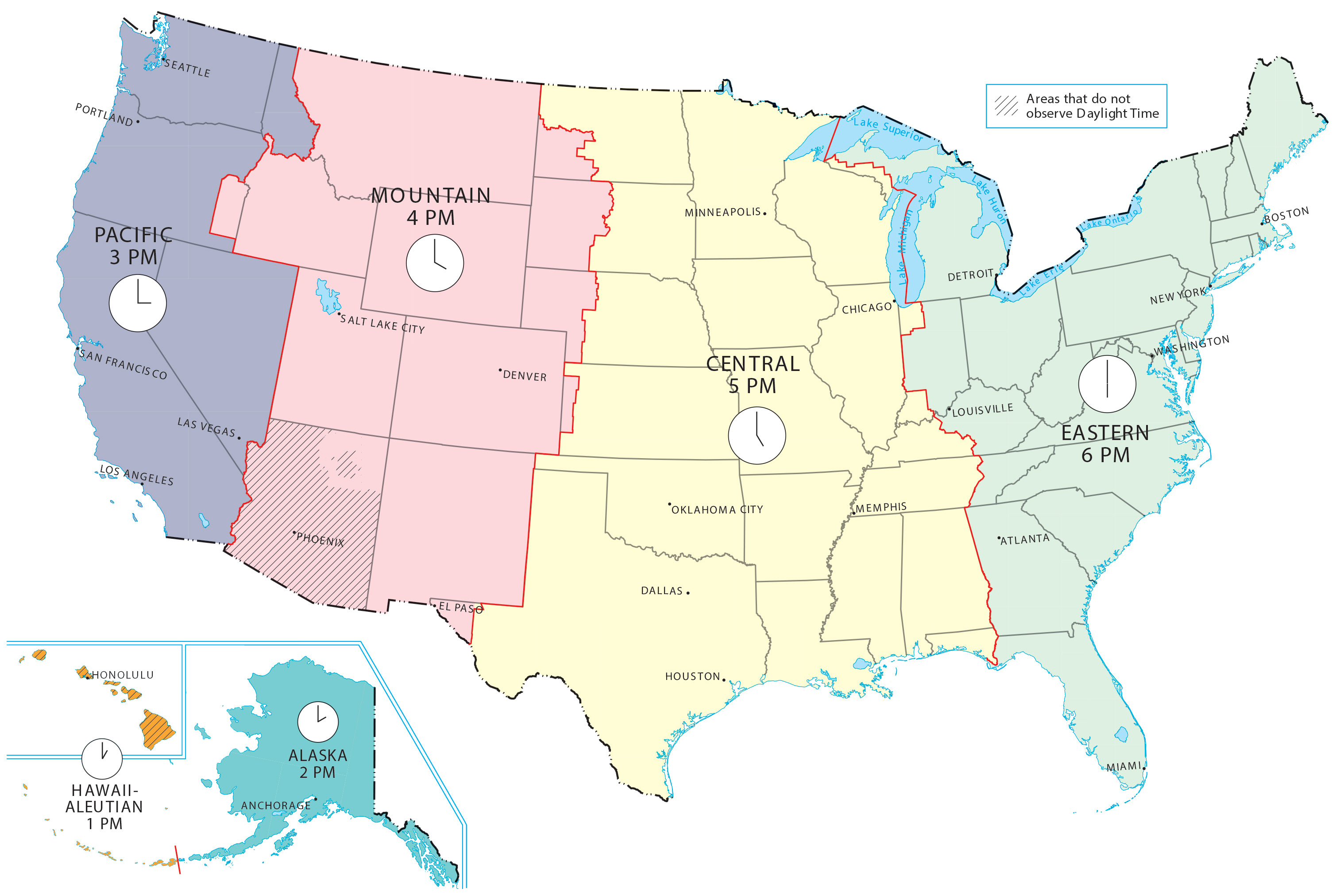
- Eastern Time Zone (ET): Chicago is one hour behind Eastern Time. If it is 2 PM in New York City, it is 1 PM in Chicago. This is a common comparison for many domestic travelers.
- Mountain Time Zone (MT): Chicago is one hour ahead of Mountain Time. If it is 11 AM in Denver, it is 12 PM in Chicago. This is relevant for travelers coming from the Rocky Mountain region.
- Pacific Time Zone (PT): Chicago is two hours ahead of Pacific Time. If it is 9 AM in Los Angeles, it is 11 AM in Chicago.
- Alaska Time Zone (AKT) and Hawaii-Aleutian Time Zone (HST): Chicago is significantly ahead of these time zones, with Alaska Time being four hours behind and Hawaii Time being five hours behind.
Relative to International Time Zones
For international visitors, understanding the relationship to Coordinated Universal Time (UTC) is key. As mentioned, Central Standard Time (CST) is UTC-6 and Central Daylight Time (CDT) is UTC-5. This allows for easy calculation of the difference with virtually any other time zone globally.
- Europe: Many European countries are significantly ahead of Chicago. For example, London, observing Greenwich Mean Time (GMT) or British Summer Time (BST), is typically 6 hours ahead during CST and 5 hours ahead during CDT.
- Asia: Time differences with Asia can be substantial. If it is noon in Chicago during standard time (UTC-6), it is midnight in Beijing (UTC+8), a difference of 14 hours.
- Australia: Travelers from Australia will find Chicago significantly behind them. During Chicago’s daylight saving period (CDT, UTC-5), Sydney (which observes Australian Eastern Standard Time, UTC+10, or Australian Eastern Daylight Time, UTC+11) can be 16 to 17 hours ahead.
When planning international travel from Chicago, it is equally important to understand these differences. If you are flying from Chicago to Tokyo, for instance, you will experience a considerable time jump forward, necessitating adjustments for jet lag and communication with people back home.
Planning Your Chicago Itinerary with Time Zones in Mind
A well-planned trip to Chicago minimizes potential time-related stress. Here’s how to incorporate time zone knowledge into your travel preparations:
Booking Flights and Transportation
When searching for flights to Chicago, always specify your departure and arrival locations and ensure the displayed times are for the respective local zones. Airlines clearly label departure and arrival times, but double-checking is always prudent. If you are connecting through another city, be mindful of any time zone changes between your legs of the journey. This also applies to train travel or bus services within the United States.
Coordinating with Local Contacts
If you are meeting friends, family, or business associates in Chicago, confirm meeting times using unambiguous notation, such as “2:00 PM Central Daylight Time ([CDT])” or “10:00 AM Central Standard Time ([CST]).” This is especially important if your contacts are in a different time zone.
Scheduling Activities and Dining
Chicago offers a plethora of activities, from visiting the Art Institute of Chicago to exploring Millennium Park and viewing the Cloud Gate sculpture (affectionately known as “The Bean”). Check the operating hours for all attractions, museums, and tours. Many popular restaurants, especially those offering coveted dinner reservations, require booking well in advance. Ensure your reservation time is correctly understood in Chicago time. For example, securing a 7:00 PM table at a renowned establishment is a significant part of the evening’s experience.
Managing Jet Lag
Traveling across multiple time zones can lead to jet lag, a condition characterized by fatigue, insomnia, and disorientation. To mitigate its effects when arriving in Chicago:
- Adjust your sleep schedule: Start adjusting your sleep patterns a few days before your trip, aligning your bedtime and wake-up time closer to Chicago time.
- Stay hydrated: Drink plenty of water during your flight and upon arrival.
- Seek sunlight: Expose yourself to natural light upon waking in Chicago to help reset your body clock.
- Limit caffeine and alcohol: These can disrupt sleep patterns, especially in the initial days of your trip.
- Be active: Gentle exercise can help you feel more alert and adjust more quickly.
The Role of Time Zones in a Connected World
In today’s interconnected global landscape, understanding time zones is more than just a travel logistical necessity; it is a fundamental aspect of communication and global commerce. For Chicago, situated in the Central Time Zone, this means engaging with a world that operates on a multitude of different clocks.
Business and Communication
For businesses operating in or interacting with Chicago, precise time zone management is critical. Conference calls, international shipments, and synchronized business operations all rely on an accurate understanding of the Central Time Zone and its relationship to other global time zones. Miscommunication due to time differences can lead to significant financial losses or operational inefficiencies. For instance, a company in Chicago needs to be aware of the working hours in London or Shanghai when scheduling important meetings.
Technological Synchronization
Modern technology largely automates time zone adjustments, with smartphones, computers, and smart devices typically setting their clocks automatically based on location. However, understanding the underlying time zone system remains important. This automatic adjustment is what allows a traveler arriving in Chicago to have their phone display the correct local time, simplifying navigation and communication. It’s also why setting alarms or calendar reminders requires careful consideration of the target time zone.
Cultural and Social Integration
For visitors to Chicago, embracing the local time is part of immersing oneself in the city’s rhythm. From catching a morning train along the Lakefront Trail to enjoying an evening performance at the Goodman Theatre, aligning with Central Time facilitates a more fluid and enjoyable experience. It’s about synchronizing your personal clock with the pulse of this energetic American city.
By understanding that Chicago operates within the Central Time Zone, travelers can approach their journey with confidence. Whether planning a business trip, a family vacation, or a solo adventure, this fundamental piece of knowledge ensures a smoother, more organized, and ultimately more rewarding exploration of the Windy City.
LifeOutOfTheBox is a participant in the Amazon Services LLC Associates Program, an affiliate advertising program designed to provide a means for sites to earn advertising fees by advertising and linking to Amazon.com. Amazon, the Amazon logo, AmazonSupply, and the AmazonSupply logo are trademarks of Amazon.com, Inc. or its affiliates. As an Amazon Associate we earn affiliate commissions from qualifying purchases.