
Understanding the correct time in Chicago is more than just a matter of scheduling a meeting or catching a flight; it’s fundamental to planning any trip to this vibrant metropolis. As a major hub for business, culture, and tourism, Chicago operates on a consistent temporal rhythm, dictated by its geographic location and adherence to established time zones. This guide aims to demystify the concept of time in Chicago, ensuring travelers and enthusiasts are always perfectly synchronized with the Windy City.
Navigating Time Zones: Central Standard Time
Chicago observes Central Standard Time (CST). This time zone is UTC-6, meaning it is six hours behind Coordinated Universal Time (UTC). For most of the year, this translates to a significant temporal difference for individuals traveling from Europe, Asia, or even the East Coast of the United States. Knowing this fundamental piece of information is the first step in avoiding jet lag and ensuring punctual arrivals at hotels, tours, and dining reservations.

The Rationale Behind Central Standard Time
The creation and adoption of time zones were revolutionary in standardizing timekeeping across vast geographic areas. Before the widespread implementation of standardized time zones, each town or city often kept its own local solar time, leading to considerable confusion, especially with the advent of railroads which necessitated coordinated schedules. Chicago’s position within the Central Time Zone reflects its geographical placement in the central United States, a compromise between Eastern and Mountain time zones. This zone stretches from the Canadian border south to the Gulf of Mexico, encompassing a significant portion of the country.
Practical Implications for Travelers
For travelers, understanding Chicago’s time zone is crucial for a seamless experience.
- Flight Bookings: When booking flights, always double-check the arrival and departure times in local Chicago time. Airlines typically display this clearly, but it’s wise to confirm. For instance, a flight departing from New York at 3 PM EST (UTC-5) might arrive in Chicago at 3 PM CST (UTC-6), considering the one-hour difference and potential flight duration.
- Meeting Schedules: Business travelers must be acutely aware of the time difference. A conference call scheduled for 10 AM EST is actually 9 AM CST in Chicago. This seemingly small difference can have significant consequences for important professional engagements.
- Connecting with Home: Staying in touch with family and friends across different time zones requires careful consideration. Knowing that Chicago is on CST helps in planning calls and messages to avoid disturbing individuals during their sleep or work hours.
Daylight Saving Time: A Seasonal Shift
Like most of the United States, Chicago observes Daylight Saving Time (DST). During this period, the clocks are advanced by one hour.
Central Daylight Time (CDT)
From the second Sunday in March until the first Sunday in November, Chicago operates on Central Daylight Time (CDT). CDT is UTC-5, effectively shifting the time zone one hour ahead of CST. This means that during DST, Chicago is five hours behind UTC.
The Purpose and Impact of DST
The primary purpose of Daylight Saving Time is to make better use of daylight during the warmer months. By advancing clocks, evenings are extended, theoretically reducing the need for artificial lighting and encouraging outdoor activities. For travelers, this means that the temporal relationship between Chicago and other parts of the world changes twice a year.
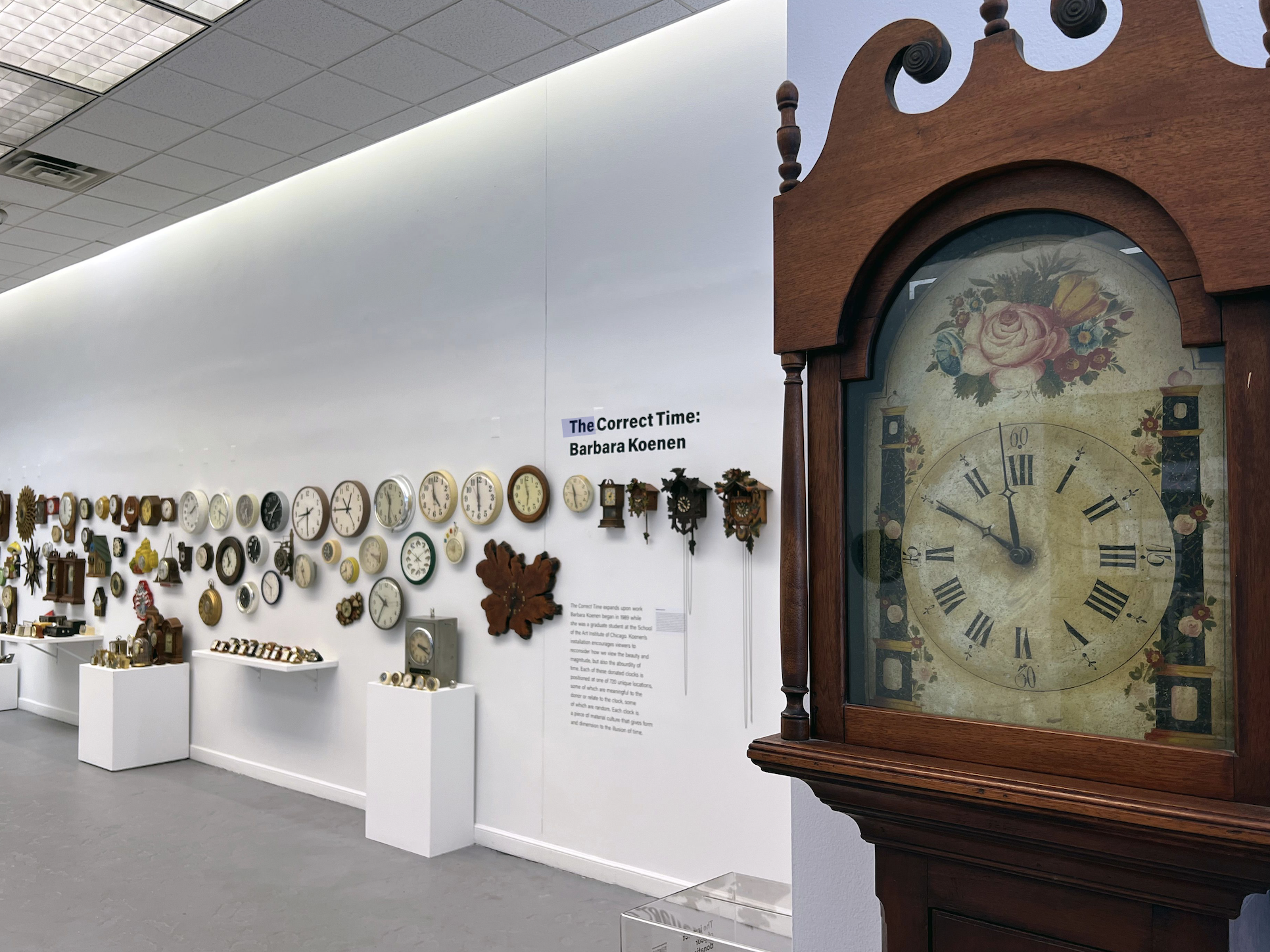
- Transition Periods: The transitions into and out of DST can be a source of minor confusion. Remember that DST begins in the spring and ends in the fall. The specific dates are set by federal law in the United States.
- Impact on Schedules: During DST, the time difference between Chicago and a location on UTC-8 (like parts of the Mountain Time Zone that do not observe DST) would be three hours, rather than the two-hour difference during CST. This is a crucial detail for coordinating travel plans involving multiple time zones.
Keeping Track of Time in Chicago
In today’s interconnected world, ensuring you have the correct time in Chicago is remarkably simple, thanks to technology. However, understanding the underlying principles is still beneficial.
Technological Solutions
- Smartphones and Computers: Most modern smartphones, tablets, and computers automatically adjust to the correct local time when connected to the internet or a cellular network. Ensure your device’s time zone settings are set to “automatic” or manually select “Chicago” or “Central Time.”
- Online Time Converters: Numerous websites and applications offer real-time time conversion services. Simply input your current location and Chicago, and they will display the accurate time difference.
- World Clocks: Many people find a physical or digital world clock useful, especially if they frequently deal with international or cross-country schedules.
Manual Verification
While technology is reliable, a quick manual check can offer peace of mind.
- Official Sources: Refer to official timekeeping websites, such as those maintained by the National Institute of Standards and Technology (NIST) or reputable news organizations, which typically display accurate, up-to-the-minute world times.
- Understanding UTC: For those who need to be precise, understanding UTC and the offset for CST (UTC-6) and CDT (UTC-5) is the most accurate method. For example, if UTC is 14:00, then CST in Chicago would be 08:00, and CDT would be 09:00.
Planning Your Chicago Itinerary
Accurate timekeeping is the bedrock of an enjoyable and efficient travel experience in Chicago. Whether you’re planning to visit iconic landmarks like the Willis Tower or the Art Institute of Chicago, booking tickets for a show at the Broadway In Chicago theaters, or securing a reservation at one of the city’s acclaimed restaurants, punctuality is key.
Optimizing Your Schedule
- Activity Planning: When structuring your daily itinerary, factor in travel time between attractions. Chicago has a robust public transportation system, but rush hour can impact journey times significantly. Knowing the correct time ensures you leave with enough buffer.
- Dining Reservations: Chicago is a culinary destination, with reservations at popular spots often booked weeks in advance. Confirming your reservation time in local Chicago time is essential to avoid missing out.
- Event Timings: From sporting events at Wrigley Field to concerts at the United Center, event start times are strictly adhered to. Always verify these times in CST or CDT, depending on the season.
Cultural Nuances and Time
While the formal time zone is straightforward, cultural expectations around time can vary. In a bustling city like Chicago, punctuality is generally highly valued, particularly in professional and formal settings. For casual meetings with friends or social gatherings, there might be a slightly more relaxed approach, but arriving within a reasonable timeframe is always appreciated.
By understanding and respecting the temporal rhythm of Chicago, you pave the way for a smoother, more organized, and ultimately more enjoyable visit to this magnificent American city. The correct time is your first, and perhaps most important, travel companion.
LifeOutOfTheBox is a participant in the Amazon Services LLC Associates Program, an affiliate advertising program designed to provide a means for sites to earn advertising fees by advertising and linking to Amazon.com. Amazon, the Amazon logo, AmazonSupply, and the AmazonSupply logo are trademarks of Amazon.com, Inc. or its affiliates. As an Amazon Associate we earn affiliate commissions from qualifying purchases.