
The question of the Illinois Department of Public Health (IDPH) presence in Chicago is multifaceted, reflecting the agency’s broad mandate and its strategic distribution of resources across the state. While IDPH does not operate a single, large, publicly accessible central office for general public inquiries within the city limits, its influence and operations are deeply embedded through various programs, partnerships, and regional efforts that directly serve Chicago residents. Understanding IDPH’s role in the city requires looking beyond a physical address to the services and collaborations that impact public health on a daily basis.
Understanding the IDPH’s Operational Model
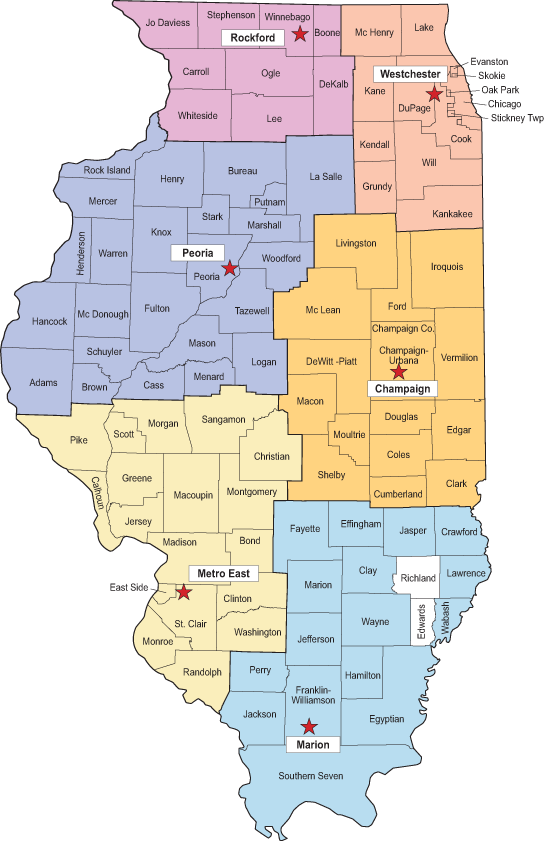
The Illinois Department of Public Health is the primary state agency responsible for protecting the health of all Illinoisans. Its mission encompasses disease prevention, health promotion, and ensuring access to quality healthcare. Given the vastness of Illinois and the diverse needs of its population, IDPH employs a decentralized operational model. This model allows for targeted interventions and efficient service delivery across different regions, rather than concentrating all resources in one location.
State-Level Mandates and Regional Distribution
IDPH’s core functions include surveillance of infectious diseases, environmental health protection, maternal and child health programs, chronic disease prevention, and emergency preparedness. To effectively carry out these mandates statewide, the department has established regional offices that act as hubs for localized program implementation and support. These regional offices are crucial for understanding and responding to the unique public health challenges present in different parts of the state, including its most populous city.
Collaboration with Local Health Departments
A cornerstone of IDPH’s strategy in Chicago is its robust collaboration with the Chicago Department of Public Health (CDPH). CDPH is the primary entity responsible for public health services within the city. IDPH works in partnership with CDPH, providing state-level resources, expertise, and sometimes funding, to complement and enhance the city’s own public health initiatives. This partnership ensures that state mandates are met and that residents of Chicago benefit from a coordinated public health response.
IDPH’s Indirect Presence and Service Delivery in Chicago
While there may not be a prominent “IDPH Chicago Office” for the general public to walk into, the department’s impact and services are felt throughout the city through various channels and programs. These indirect avenues are essential for understanding how residents access IDPH-supported initiatives.
Disease Surveillance and Reporting
One of the most critical, yet often unseen, functions of IDPH is disease surveillance. The department collects, analyzes, and disseminates data on communicable diseases across the state. This data is vital for identifying outbreaks, tracking trends, and informing public health policy. In Chicago, IDPH works closely with local healthcare providers, hospitals, and CDPH to ensure accurate and timely reporting of notifiable diseases. This collaborative surveillance network allows for a swift response to any public health threats that emerge within the city.
Environmental Health and Food Safety
IDPH plays a significant role in ensuring the safety of Illinois environments and food supply. This includes setting standards, conducting inspections, and providing guidance on issues ranging from water quality to the safety of food establishments. While CDPH often handles direct inspections within the city, IDPH provides the overarching regulatory framework and support. This ensures that restaurants, water systems, and other environmental factors affecting Chicago residents meet state and federal health standards. Their work indirectly contributes to the well-being of everyone living in or visiting Chicago.
Public Health Laboratories

IDPH operates state-of-the-art public health laboratories that are essential for diagnosing diseases, testing environmental samples, and ensuring the safety of food and drugs. While the central laboratories may not be located in Chicago, their services are accessible to the city’s healthcare system and CDPH. These labs are critical for identifying pathogens, confirming diagnoses, and providing the scientific basis for public health interventions.
Specialized Programs and Grant Funding
Many of IDPH’s specialized programs, such as those focused on maternal and child health, chronic disease management, and injury prevention, are implemented through partnerships with local organizations and healthcare providers. In Chicago, this often means that funding and programmatic support from IDPH flow through established community health centers, hospitals like Lurie Children’s Hospital, and non-profit organizations that deliver these services directly to residents. These organizations act as the visible touchpoints for IDPH initiatives within the city.
Emergency Preparedness and Response
When public health emergencies arise, whether they are natural disasters, bioterrorism threats, or widespread infectious disease outbreaks, IDPH plays a central coordinating role. In Chicago, this involves working hand-in-hand with CDPH, emergency management agencies, and healthcare systems to ensure a unified and effective response. While IDPH may not have a dedicated emergency operations center within the city for daily operations, its emergency preparedness division is actively engaged in planning, training, and resource allocation that directly impacts the city’s resilience.
How Chicago Residents Interact with IDPH Services
For the average resident of Chicago, direct interaction with the Illinois Department of Public Health is often mediated by local entities. However, understanding these pathways can empower individuals to access the resources and information they need.
Through Healthcare Providers and Local Health Departments
The most common way Chicago residents encounter services supported by IDPH is through their local healthcare providers and the Chicago Department of Public Health. When a doctor reports a suspected infectious disease, orders specific lab tests, or refers a patient to a specialized public health program, they are often participating in a system that is overseen and supported by IDPH. Similarly, visiting a CDPH clinic for vaccinations, health screenings, or information on disease prevention connects residents to services that are part of the broader state public health network.
Accessing Public Health Information and Resources
IDPH maintains a comprehensive website that serves as a primary source of public health information for all Illinois residents. This includes fact sheets on diseases, guidelines for healthy living, information on environmental hazards, and details about state-level public health initiatives. While the website is a statewide resource, the information it provides is directly relevant to the health concerns of Chicago residents. Furthermore, IDPH often collaborates with CDPH and other local partners to disseminate public health messaging and alerts within the city, especially during critical health events.
Specific Public Health Initiatives and Campaigns
IDPH frequently spearheads statewide public health campaigns focused on critical issues like vaccination drives, smoking cessation, chronic disease prevention (e.g., diabetes, heart disease), and maternal health. These campaigns often involve partnerships with local organizations in Chicago to ensure broad reach and impact. For instance, a statewide initiative to promote flu vaccinations will see IDPH working with Chicago hospitals, pharmacies, and community centers to make vaccines accessible to residents.

Conclusion: A Distributed but Vital Presence
In conclusion, while the Illinois Department of Public Health may not have a single, prominent public-facing office in Chicago in the traditional sense, its presence is pervasive and vital. Through strategic partnerships with the Chicago Department of Public Health, collaborations with local healthcare systems, funding of community programs, and its central role in statewide surveillance, laboratory services, and emergency preparedness, IDPH is an indispensable force in safeguarding the health of Chicagoans. Residents benefit from its work daily, often through services delivered by other trusted local institutions, reinforcing a distributed but deeply integrated approach to public health in one of America’s largest cities.
LifeOutOfTheBox is a participant in the Amazon Services LLC Associates Program, an affiliate advertising program designed to provide a means for sites to earn advertising fees by advertising and linking to Amazon.com. Amazon, the Amazon logo, AmazonSupply, and the AmazonSupply logo are trademarks of Amazon.com, Inc. or its affiliates. As an Amazon Associate we earn affiliate commissions from qualifying purchases.