
The iconic band Chicago has graced the music world with its distinctive blend of rock, pop, and jazz for over five decades. Their sound is instantly recognizable, characterized by soaring brass sections, intricate harmonies, and powerful vocal performances. However, the question of who has held the mantle of “lead singer” for this enduring ensemble is more nuanced than a single name might suggest, reflecting the band’s rich history and evolving lineup.
While many associate Chicago with the smooth, soulful vocals of Peter Cetera, and later the dynamic range of Bill Champlin and Jason Scheff, the band has a dynamic history of vocalists who have shared lead duties and contributed significantly to their sonic tapestry. Understanding the band’s vocal leadership requires a look at their foundational years, their period of greatest commercial success, and their subsequent decades of touring and recording.
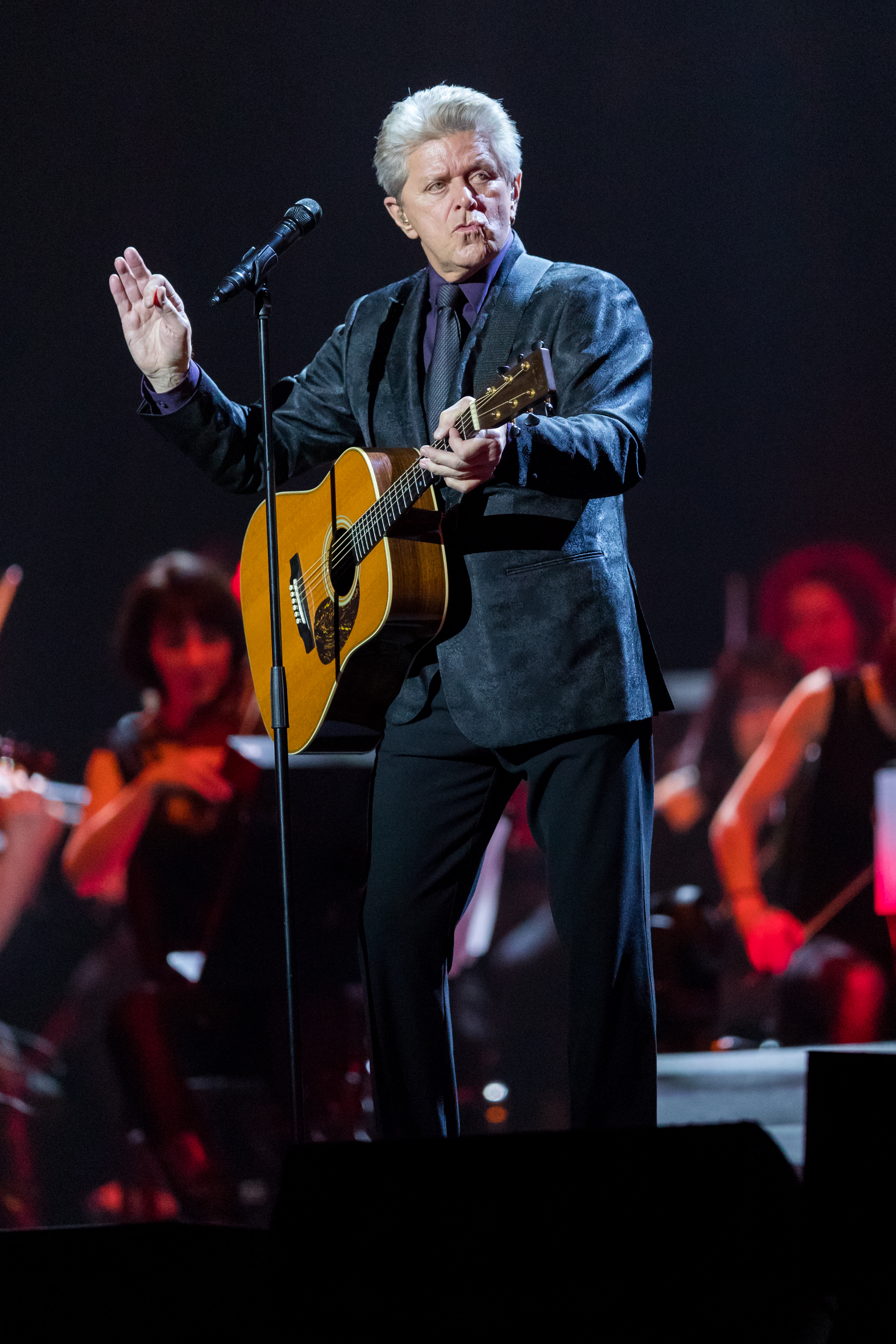
The Founding Voices and Early Years
Chicago burst onto the music scene in the late 1960s with a bold, experimental sound that set them apart. From their very inception, their vocal arrangements were a collaborative effort, featuring multiple members contributing lead and backing vocals. This approach was instrumental in crafting their complex, layered soundscapes.
Robert Lamm: The Architectural Foundation
Robert Lamm has been a constant presence in Chicago since its formation. As a founding member, keyboardist, and vocalist, Lamm’s distinctive voice has been a cornerstone of the band’s identity. He penned many of their early hits, including “Does Anybody Really Know What Time It Is?” and “Beginnings,” both of which showcase his clear, melodic vocal delivery. Lamm’s contributions established a vocal style that was both accessible and sophisticated, laying the groundwork for the band’s future vocalists. His songwriting prowess also meant that his vocal interpretations were intrinsically tied to the narrative and emotional core of many of Chicago’s most beloved songs. His influence on the band’s overall sound, particularly in their early progressive and jazz-infused rock phases, cannot be overstated.
Terry Kath: The Guitar Hero with a Soulful Roar
Terry Kath, the band’s original guitarist and another founding member, possessed a raw, powerful vocal talent that added a different dimension to Chicago’s early sound. Kath’s voice was bluesier and more rugged than Lamm’s, bringing a gritty authenticity to tracks like “25 or 6 to 4” and “Colour My World.” His guitar solos were legendary, but his vocal performances were equally compelling, often delivering a passionate intensity that resonated deeply with audiences. Kath’s vocal range and emotional delivery were pivotal in establishing the band’s dynamic range, showcasing their ability to shift from introspective ballads to hard-driving anthems. His untimely death in 1978 was a profound loss, leaving a significant void in the band’s vocal and instrumental lineup.
Peter Cetera: The Smooth Crooner and Commercial Success
It was during the late 1970s and early 1980s that Peter Cetera emerged as arguably the most prominent lead singer of Chicago in terms of mainstream recognition and chart success. Cetera, a bassist and vocalist, brought a smoother, more romantic vocal style to the band. His iconic falsetto became synonymous with their biggest hits, including “If You Leave Me Now,” “Hard to Say I’m Sorry,” and “You’re the Inspiration.” These ballads, many of which he wrote or co-wrote, dominated radio waves and cemented Chicago’s status as a global phenomenon. Cetera’s vocal delivery was perfectly suited for the adult contemporary market, and his leadership on these tracks defined a significant era of the band’s history. His departure in 1985 marked the end of a pivotal chapter, though his influence on the band’s sound and popular appeal remains undeniable.
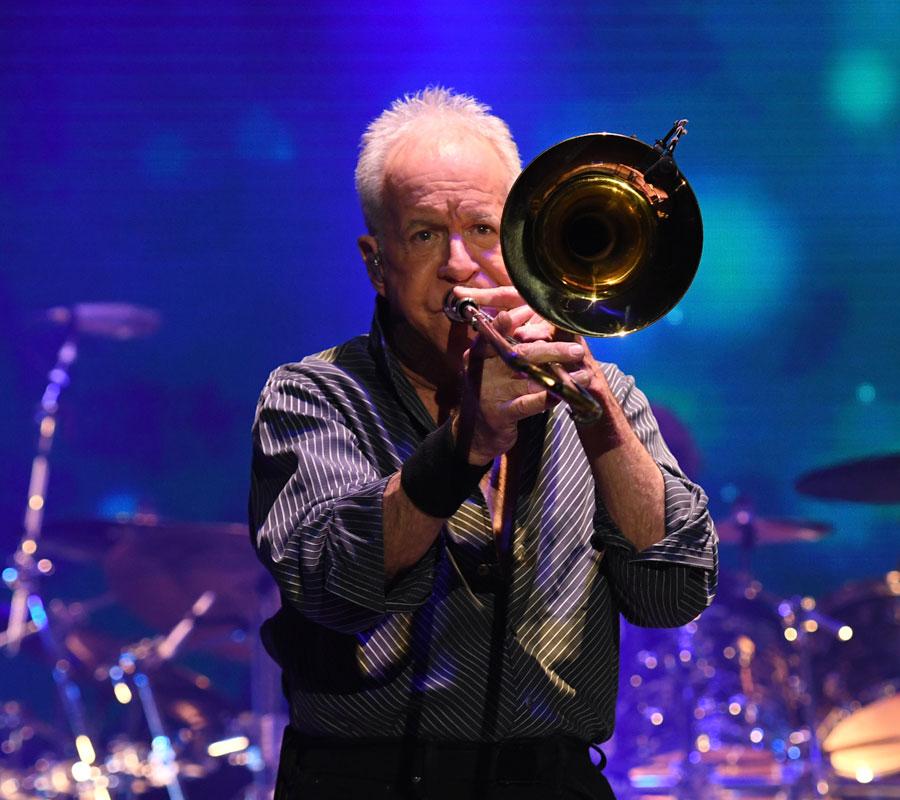
The Evolution of Vocal Leadership
Following Peter Cetera’s departure, Chicago continued to evolve, with new vocalists stepping into prominent roles and existing members continuing to share lead responsibilities. This period saw the band embrace new sonic directions while honoring their established legacy.
Bill Champlin: A Versatile and Enduring Voice
Bill Champlin, a seasoned musician and songwriter, joined Chicago in 1981, initially as a guitarist and vocalist. His rich, versatile voice quickly became a significant asset, adding a soulful depth that blended seamlessly with the band’s evolving sound. Champlin’s lead vocals can be heard on numerous hits from the mid-1980s onwards, including “Hard Habit to Break” and “I Don’t Wanna Live Forever.” He brought a maturity and gravitas to the band’s performances, contributing to their sustained popularity. Champlin’s ability to navigate both rock and ballad material made him an invaluable addition, ensuring that Chicago could continue to deliver hits across a broad spectrum of styles.
Jason Scheff: The Next Generation of Lead Vocals
Jason Scheff became a key vocalist and bassist for Chicago in the mid-1980s, stepping into the shoes of Peter Cetera on bass and taking on significant lead vocal duties. Scheff’s voice, while distinct, possessed a similar melodic sensibility that resonated with the band’s established fan base. He fronted hits like “Will You Still Love Me?” and “Old Days,” demonstrating his capacity for both powerful rock anthems and tender ballads. Scheff’s tenure with the band, spanning over two decades, solidified his role as a central vocal figure, contributing to numerous successful albums and tours. His vocal contributions were crucial in maintaining Chicago’s presence in the contemporary music landscape for a new generation of listeners.
The Contemporary Sound of Chicago
In recent years, Chicago has continued to tour and record with a lineup that honors its storied past while looking towards the future. The band’s vocal approach remains a testament to their collaborative spirit.

A Collective Vocal Tapestry
While specific individuals have risen to prominence at different times, the enduring appeal of Chicago lies in the collective strength of its vocalists. Robert Lamm remains a vital member, his vocals a familiar and comforting presence. He continues to share lead duties with other members, including Lou Pardini, who has brought his own distinct vocal texture and keyboard skills to the band since joining. The current iteration of Chicago often features a dynamic interplay of voices, where harmonies are rich and lead vocals are shared, reflecting the band’s foundational philosophy of vocal collaboration. This approach ensures that the band’s live performances are a celebration of their entire vocal legacy, from the gritty power of Terry Kath to the smooth melodies of Peter Cetera and the soulful contributions of Bill Champlin and Jason Scheff.
Ultimately, the answer to “Who is the lead singer of the band Chicago?” is not a singular one. It is a narrative woven from the distinct voices and contributions of many talented individuals who have, at various times, helmed the forefront of this legendary ensemble. From the founding members’ diverse vocal styles to the later additions who brought their own unique talents, Chicago’s vocal leadership has always been a dynamic force, a testament to their enduring musical journey and their ability to adapt and thrive across generations. Their music continues to resonate because it is built on a foundation of powerful songwriting and, crucially, a rich and varied tapestry of unforgettable voices.
LifeOutOfTheBox is a participant in the Amazon Services LLC Associates Program, an affiliate advertising program designed to provide a means for sites to earn advertising fees by advertising and linking to Amazon.com. Amazon, the Amazon logo, AmazonSupply, and the AmazonSupply logo are trademarks of Amazon.com, Inc. or its affiliates. As an Amazon Associate we earn affiliate commissions from qualifying purchases.