
The question of breed-specific legislation (BSL) and its impact on popular dog breeds like “Pitbulls” is a recurring concern for travelers and residents alike. When planning a trip to or considering a move to a new destination, understanding local regulations, especially those pertaining to pets, is paramount. For those interested in the vibrant state of Colorado, this query often arises. This article delves into the nuanced legal landscape surrounding “Pitbulls” in Colorado, clarifying the statewide position and highlighting the critical role of local ordinances.
Understanding Breed-Specific Legislation in Colorado
At the state level, Colorado does not have a statewide ban on “Pitbulls.” This is a crucial distinction that often leads to confusion. Unlike some other states that have enacted blanket prohibitions on certain breeds, Colorado has chosen a different approach. This means that traveling to or residing in Colorado with a dog commonly referred to as a “Pitbull” is not inherently illegal due to a statewide BSL. However, this does not signify a completely unregulated environment for these dogs.
The Nuance of “Pitbull” Classification
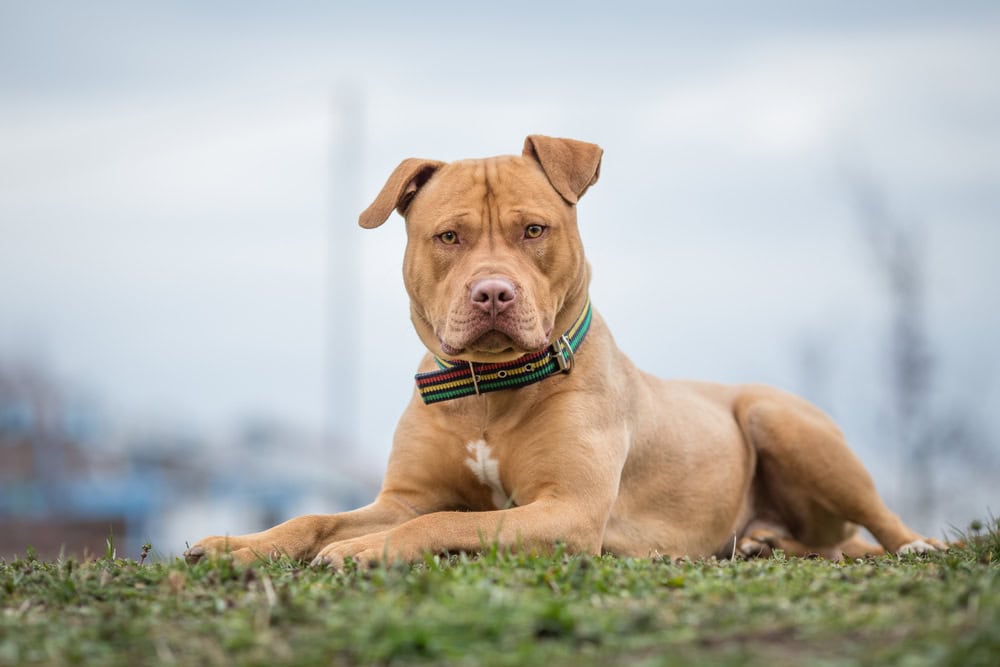
It’s important to acknowledge that the term “Pitbull” itself is not a single breed. It is often used as a catch-all term for several breeds, including the American Pit Bull Terrier, the Staffordshire Bull Terrier, the American Staffordshire Terrier, and sometimes even the American Bulldog or mixes thereof. This ambiguity in definition can complicate legal frameworks, but in the context of Colorado, the absence of a statewide breed ban means the focus shifts to where these dogs are physically located.
The Dominance of Local Ordinances
The primary mechanism through which “Pitbulls” may face restrictions in Colorado is through local municipal and county ordinances. Many cities and counties within Colorado have enacted their own BSLs, which can include outright bans, specific ownership requirements, or restrictions on where these dogs can be kept or walked. This decentralized approach means that the legality of owning a “Pitbull” can vary dramatically from one town to the next.
For example, a traveler planning to stay in a hotel in Denver might find that their dog, identified as a “Pitbull” by the hotel or local authorities, is not permitted. Conversely, a short drive to a neighboring county or town might present no such restrictions. This is why thorough research is essential for anyone traveling with their canine companions or considering a long-term stay.
Navigating Pitbull Regulations for Travelers
For those planning a visit to Colorado with their pets, particularly dogs that might fall under the “Pitbull” umbrella, understanding the local regulations is not just a matter of convenience but a necessity to avoid potential legal issues, such as fines or impoundment of your animal.
Researching Destination-Specific Rules
The first and most crucial step is to identify the specific city or county you will be visiting or residing in. Once identified, you will need to consult the local government’s official website or contact their animal control department directly. Look for sections on animal control, pet licensing, or dangerous dog ordinances.
Many popular tourist destinations within Colorado, such as the city of Denver, Boulder, and Colorado Springs, have their own BSLs. Some of these may outright ban “Pitbulls,” while others may have requirements such as mandatory microchipping, specific leash and muzzle regulations in public spaces, or stringent licensing procedures.
Hotel and Accommodation Policies
Beyond municipal laws, it is equally important to research the pet policies of individual hotels, vacation rentals, and other accommodations. Many establishments, regardless of local ordinances, have their own breed restrictions. This is often based on their insurance policies, the perceived risk associated with certain breeds, or simply a desire to cater to a broader range of guests.
When booking accommodation in places like Aspen or near the Rocky Mountain National Park, always explicitly ask about their pet policy, specifically inquiring if they have breed restrictions. Do not assume that a general “pets welcome” policy extends to all breeds. Hotels such as the Broadmoor or smaller, boutique inns may have very different approaches to pet ownership.
Planning Travel Routes and Activities
If your travel plans involve moving between different towns or counties within Colorado, you must be aware that the regulations can change. For instance, a route that takes you through a city with a ban might require you to leave your pet in a location that permits them, or to find alternative transportation that does not involve passing through restricted zones with your dog.

Similarly, if you plan to engage in outdoor activities, such as hiking in state parks or visiting dog-friendly attractions, it is wise to confirm that your dog’s breed will be permitted. While many natural areas are more lenient, some may still defer to local county or city ordinances if the access point is within a restricted jurisdiction.
Cities and Counties with Pitbull Restrictions in Colorado
While a comprehensive, up-to-the-minute list is challenging due to the dynamic nature of local ordinances, several major cities and counties in Colorado have historically implemented or are known to have breed-specific regulations that could impact “Pitbulls.”
Denver and Surrounding Areas
The city and county of Denver has had a long-standing ban on “Pitbulls.” This means that owning, harboring, or keeping a “Pitbull” within the city limits of Denver is generally prohibited, with limited exceptions that often require strict registration and adherence to specific conditions. Traveling through Denver with such a dog can be problematic if not properly managed.
Many surrounding municipalities may also have similar bans or restrictions. It is essential to verify the specific rules for any town or city you plan to visit or stay in. This includes areas like Aurora, which often mirrors some of Denver’s regulations.
Other Notable Municipalities
Other cities and counties across Colorado that have had BSLs or similar ordinances include, but are not limited to:
- Fort Collins: This city has had regulations that, while not always a full ban, impose significant restrictions on “Pitbulls.”
- Pueblo: Similar to other larger cities, Pueblo may have its own specific ordinances.
- Various smaller towns and counties: The nature of BSL means that even smaller communities can enact their own bans. It’s not uncommon for residents to discover these restrictions only after moving to an area or for travelers to encounter them unexpectedly.
The Importance of Verification
Given the varying nature of these regulations, the most reliable approach is to always verify directly with the local animal control agency or city/county clerk’s office for the specific area you intend to visit. Websites can sometimes be outdated, and direct communication ensures you receive the most current information.
Legal Frameworks and Alternatives to BSL
The debate surrounding breed-specific legislation is complex, with proponents arguing for public safety and opponents citing issues of unfair targeting and ineffectiveness. Many animal welfare organizations and advocates promote a “breed-neutral” approach, focusing on an individual dog’s behavior rather than its breed.
Breed-Neutral Approaches
Colorado, by not having a statewide ban, aligns more with a breed-neutral philosophy at the state level. However, the implementation of local BSLs undermines this entirely. A breed-neutral approach typically focuses on:
- Behavioral assessments: Evaluating a dog’s temperament and history of aggression, regardless of breed.
- Responsible pet ownership: Emphasizing leash laws, secure containment, and training.
- Enforcement of dangerous dog laws: Targeting individual dogs that exhibit dangerous behaviors, rather than entire breeds.
Many jurisdictions that have repealed their BSLs have found that these breed-neutral strategies are more effective and fair. This includes mandatory licensing, impoundment for aggressive incidents, and owner accountability.
Traveling with Dogs in Colorado
For responsible dog owners, Colorado offers a wealth of opportunities to explore with their four-legged companions. From the vast landscapes of the Rocky Mountains to the vibrant city parks, the state is generally very dog-friendly. However, as highlighted, understanding and adhering to local breed restrictions is a critical component of a successful and stress-free trip.
When planning your adventure, whether it’s a ski trip to Vail, a visit to the Garden of the Gods near Colorado Springs, or a culinary tour through Boulder, always make pet regulations a priority in your research. By doing so, you can ensure that your entire party, including your beloved canine, can enjoy all that Colorado has to offer.
LifeOutOfTheBox is a participant in the Amazon Services LLC Associates Program, an affiliate advertising program designed to provide a means for sites to earn advertising fees by advertising and linking to Amazon.com. Amazon, the Amazon logo, AmazonSupply, and the AmazonSupply logo are trademarks of Amazon.com, Inc. or its affiliates. As an Amazon Associate we earn affiliate commissions from qualifying purchases.