
Colorado, a state renowned for its majestic Rocky Mountains, sprawling national parks, and abundant outdoor adventures, might not immediately bring to mind images of fiery eruptions and volcanic landscapes. However, the Centennial State does, in fact, boast a fascinating, albeit dormant, volcanic history. While you won’t find active lava flows or steaming vents reminiscent of Hawaii’s Volcanoes National Park or Iceland’s dramatic terrain, the geological story of Colorado includes periods of intense volcanic activity that have shaped its unique topography.
The Echoes of Ancient Eruptions
The volcanic story of Colorado is not one of recent dramatic events, but rather a deep dive into the Earth’s ancient past. Millions of years ago, volcanic forces were at play, leaving behind indelible marks on the state’s geology. These ancient eruptions were often part of much larger geological events, contributing to the formation of mountain ranges and the deposition of mineral-rich rock layers.
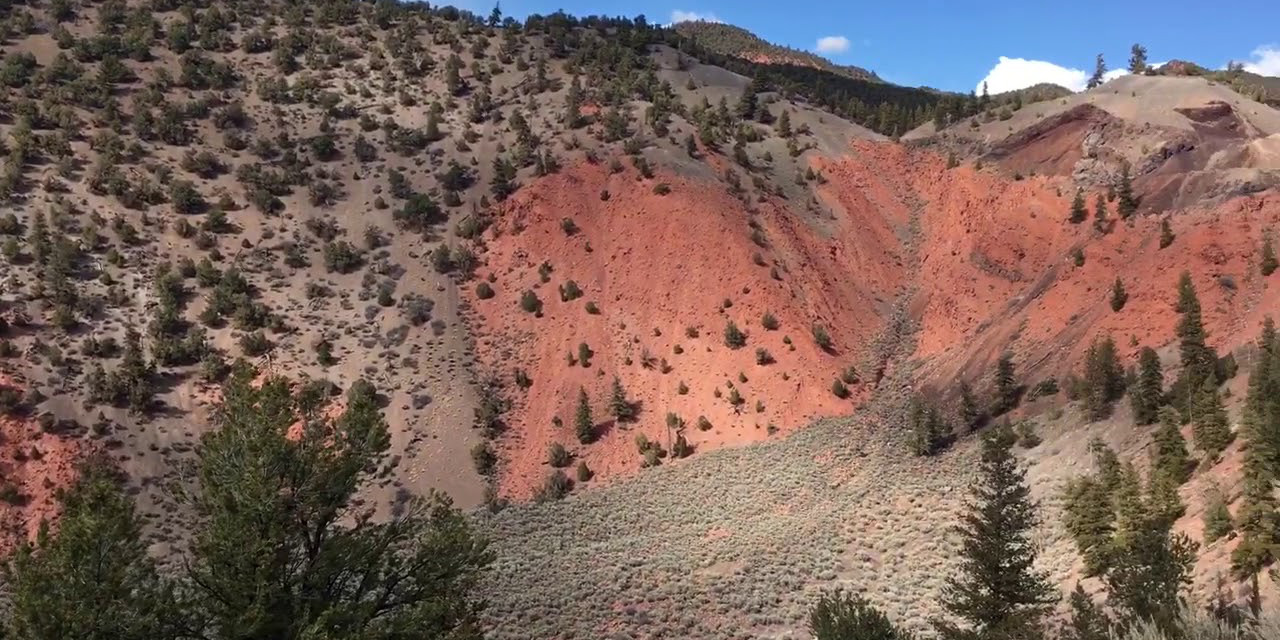
The San Juan Mountains: A Volcanic Cradle
Perhaps the most prominent testament to Colorado’s volcanic past lies within the breathtaking San Juan Mountains in southwestern Colorado. This rugged and picturesque region is a caldera complex, the remnants of colossal volcanic eruptions that occurred tens of millions of years ago. These were not single cone volcanoes, but rather vast depressions formed by the collapse of land following massive eruptions that emptied subsurface magma chambers.
The San Juan Caldera Complex
The scale of past volcanic activity in the San Juan Mountains is staggering. Estimates suggest that some eruptions were among the largest in Earth’s history, spewing ash and lava across vast distances. Over millennia, erosion has sculpted these volcanic remnants, transforming the raw power of ancient eruptions into the stunning landscapes that attract hikers, skiers, and nature enthusiasts today.
The geological formations here are a geologist’s dream. Layers of volcanic tuff, ash, and lava flows are visible, telling a story of repeated eruptions and subsequent geological processes. Features like the Crested Butte area, with its colorful mountainsides, owe their unique appearance to the mineral content of these ancient volcanic deposits. Similarly, the hot springs found scattered throughout the region are a direct consequence of lingering geothermal activity beneath the surface, a warm reminder of the fiery origins.
Other Volcanic Footprints Across the State
While the San Juan Mountains are the most dramatic example, volcanic activity has left its mark elsewhere in Colorado as well. The southwestern part of the state, particularly the area around Durango, exhibits evidence of past volcanic events.
The Raton-Clayton Volcanic Field
In the southeastern corner of Colorado, near the border with New Mexico, lies the Raton-Clayton Volcanic Field. This field contains numerous cinder cones, lava flows, and volcanic necks, some of which are relatively young in geological terms. While still ancient by human standards, these volcanic features are considerably younger than those in the San Juans.
The most famous feature within this field is Capulin Volcano, a well-preserved cinder cone that offers panoramic views from its rim. While primarily located in New Mexico, its geological context extends into southeastern Colorado. These volcanic features, though dormant, provide valuable insights into the volcanic processes that shaped the North American continent.
The Significance of Dormancy
It is crucial to understand that all of Colorado’s volcanic features are considered dormant or extinct. This means that while they were once volcanically active, there is no current indication of eruption in the foreseeable future. The geological processes that fueled these ancient eruptions have long since subsided.
This dormancy is a key factor in why Colorado is not typically associated with active volcanoes. The dramatic landscapes we enjoy today are the result of millions of years of erosion, weathering, and the slow, steady work of natural forces reclaiming the land after the fiery geological events. The absence of active volcanic threats makes exploring these areas safe and accessible for tourists and adventurers.
Exploring the Volcanic Legacy: Attractions and Activities
The volcanic legacy of Colorado offers a unique and captivating dimension to its already rich tapestry of natural attractions. While you won’t be witnessing erupting lava, you can immerse yourself in landscapes sculpted by fire and time, gain a deeper understanding of geological processes, and enjoy outdoor activities in areas shaped by these ancient forces.
Hiking and Backpacking Through Volcanic Terrain
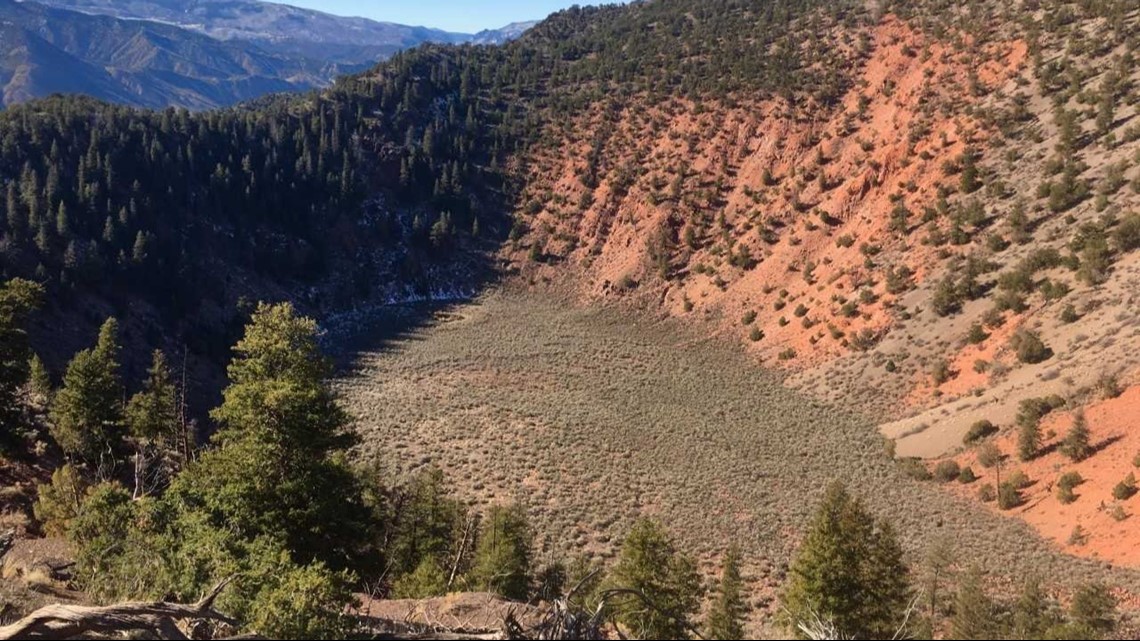
The San Juan Mountains are a prime destination for hikers and backpackers seeking to explore volcanic landscapes. Trails wind through canyons carved into ancient lava flows, ascend peaks formed from volcanic ash, and traverse meadows carpeted with wildflowers that bloom in the mineral-rich soils.
Trails with Volcanic Significance
- The Weminuche Wilderness: This vast wilderness area within the San Juan National Forest offers numerous trails that meander through areas of significant volcanic origin. Exploring areas around Silverton and Ouray will reveal dramatic peaks and valleys shaped by caldera collapse and subsequent erosion.
- Hikes near Crested Butte: The distinctively shaped mountains around Crested Butte are a testament to volcanic activity. Trails like the one to West Maroon Pass offer stunning vistas of these colorful, eroded volcanic peaks.
- Four Corners Region: While not solely volcanic, the broader geological context of the Four Corners region includes areas with volcanic remnants, offering opportunities for exploration.
Scenic Drives and Photography
For those who prefer a less strenuous way to experience Colorado’s volcanic history, scenic drives offer breathtaking views and excellent photographic opportunities.
Routes with Volcanic Vistas
- The Million Dollar Highway (US-550): This iconic stretch of road, connecting Durango and Silverton, cuts through the heart of the San Juan Mountains. The dramatic cliffs and peaks you’ll see are largely composed of volcanic rock, showcasing the scale of ancient eruptions and the subsequent geological sculpting.
- San Juan Skyway: This comprehensive scenic byway loops through southwestern Colorado, encompassing many areas with volcanic origins, including Telluride, Ouray, and Silverton. The ever-changing geological formations provide a constant visual feast.
Geothermal Wonders: A Lingering Warmth
A direct link to Colorado’s volcanic past can be found in its numerous hot springs. These natural thermal baths are heated by the Earth’s internal warmth, often a residual effect of past volcanic and geothermal activity.
Notable Hot Springs Destinations
- Ouray Hot Springs Pool: Located in the aptly named “Switzerland of America,” these hot springs are a popular destination for relaxation after a day of exploring the volcanic mountains.
- Pagosa Springs: Famous for its deep hot springs, Pagosa Springs offers a therapeutic experience in a town situated within a geologically active region.
- Glenwood Hot Springs: While not directly within the major volcanic centers, the geothermal activity that powers Glenwood Hot Springs is part of the broader geological story of the Rocky Mountains.
Educational Opportunities and Visitor Centers
Understanding the geological forces that shaped Colorado can greatly enhance any visit. Several locations offer educational resources for those interested in learning more about the state’s volcanic history.
Geological Insights
- Visitor Centers in National Forests and Parks: Many visitor centers within the San Juan National Forest and surrounding areas provide exhibits and information on the region’s geology, including its volcanic past.
- Local Museums: Towns like Silverton and Ouray often have local historical societies or museums that touch upon the geological context of their formation, which is intrinsically linked to volcanic activity.
Planning Your Volcanic Adventure
Exploring the remnants of Colorado’s volcanic past is an adventure that combines stunning natural beauty with a fascinating geological narrative. Whether you’re a seasoned hiker, a geology enthusiast, or simply seeking a unique travel experience, understanding the volcanic underpinnings of this remarkable state will undoubtedly enrich your journey.
Best Times to Visit
The best time to visit areas with volcanic origins in Colorado largely depends on the activities you plan to pursue.
- Summer (June-August): This is the most popular time for hiking and outdoor activities. Trails are generally clear of snow, and the weather is pleasant. However, be prepared for crowds, especially in popular areas.
- Fall (September-October): Autumn offers crisp air, fewer crowds, and spectacular fall foliage, particularly in aspen groves that often thrive in the mineral-rich soils derived from volcanic deposits. Road access to higher elevations may begin to be restricted by snow later in October.
- Spring (April-May): Spring can be a mixed bag. Lower elevations may be accessible, but higher mountain passes and trails will likely still be covered in snow. This is a good time for visiting hot springs and exploring towns.
What to Pack
Proper preparation is key to enjoying your exploration of Colorado’s volcanic landscapes.
- Layered Clothing: Mountain weather can change rapidly. Pack moisture-wicking base layers, insulating mid-layers (like fleece or down), and a waterproof and windproof outer shell.
- Sturdy Hiking Boots: Essential for navigating rugged terrain.
- Sun Protection: High altitude means stronger sun. Bring sunscreen, a wide-brimmed hat, and sunglasses.
- Water and Snacks: Stay hydrated, especially at high altitudes.
- Navigation Tools: Maps, a compass, and a GPS device or app are recommended, even on well-marked trails.
- Bear Spray: Inquire about safety recommendations for the specific areas you plan to visit.

Respecting the Environment
As you explore these unique geological sites, it’s vital to practice responsible tourism.
- Leave No Trace: Pack out everything you pack in, stay on marked trails to prevent erosion, and avoid disturbing wildlife.
- Geological Preservation: Do not collect rocks or fossils. These are valuable for scientific study and for others to appreciate.
- Support Local Communities: Patronize local businesses, restaurants, and accommodations in towns like Durango, Silverton, Ouray, and Crested Butte.
By understanding and appreciating Colorado’s volcanic past, you can embark on a journey that is as educational as it is breathtaking, discovering the fiery origins that shaped the majestic landscapes of the Centennial State.
LifeOutOfTheBox is a participant in the Amazon Services LLC Associates Program, an affiliate advertising program designed to provide a means for sites to earn advertising fees by advertising and linking to Amazon.com. Amazon, the Amazon logo, AmazonSupply, and the AmazonSupply logo are trademarks of Amazon.com, Inc. or its affiliates. As an Amazon Associate we earn affiliate commissions from qualifying purchases.