
Understanding Lane Splitting and Its Legal Status in Colorado
Lane splitting, also known as lane sharing or filtering, is a controversial practice where a motorcyclist rides between two lanes of slow-moving or stopped traffic. This maneuver can offer motorcyclists a way to bypass congestion, reduce travel time, and potentially mitigate the risk of being rear-ended in stop-and-go situations. However, its legality varies significantly from state to state across the United States. For riders contemplating cruising through the scenic byways of Colorado, understanding the specific regulations surrounding lane splitting is paramount for safety and legal compliance.

The Current Legal Landscape
As of the current legislative session, lane splitting is illegal in Colorado. This means that motorcyclists are prohibited from operating their vehicles between lanes of traffic, regardless of the speed of the vehicles or the density of the traffic. The Colorado Department of Transportation and the Colorado State Patrol enforce traffic laws that mandate all vehicles, including motorcycles, to occupy a single lane. Failure to comply can result in traffic citations, fines, and potentially points on a driver’s license.
The reasoning behind such prohibitions often centers on safety concerns. Opponents of lane splitting argue that it increases the risk of accidents. Motorcycles are less visible than cars, and the act of moving between lanes can surprise other drivers, leading to sudden braking, swerving, or collisions. Furthermore, the speed differential between a motorcycle filtering through traffic and the surrounding vehicles can create hazardous situations, especially if traffic conditions change unexpectedly.
Arguments For and Against Lane Splitting
The debate over legalizing lane splitting is multifaceted. Proponents often highlight several key benefits:
- Reduced Congestion: By utilizing the space between lanes, motorcyclists can help alleviate traffic buildup, especially in densely populated areas like Denver.
- Enhanced Safety in Certain Scenarios: In situations of extreme traffic congestion and low speeds, being able to move forward can prevent a motorcycle from being trapped in a position where a distracted or inattentive driver behind them could cause a serious accident.
- Improved Rider Experience: For many motorcyclists, the ability to navigate traffic more efficiently contributes to a less stressful and more enjoyable riding experience, particularly on long journeys or during peak commute times.
Conversely, opponents raise significant safety issues:
- Increased Accident Risk: The primary concern is that lane splitting inherently increases the likelihood of collisions. The argument is that other drivers may not anticipate a motorcycle’s presence in the lane gap, and motorcyclists may misjudge speeds or distances.
- Driver Awareness: Many drivers are not accustomed to seeing motorcycles filtering through traffic, and this lack of familiarity can lead to unpredictable reactions.
- Varying Rider Skill Levels: Not all motorcyclists possess the advanced skills required to perform lane splitting safely, potentially leading to errors in judgment.
The Impact on Motorcycle Riders in Colorado
For motorcycle enthusiasts planning a trip through Colorado, the illegality of lane splitting means they must adhere to the same traffic laws as other vehicles. This necessitates careful planning and heightened awareness, especially when encountering heavy traffic. Riders should:
- Maintain a Safe Following Distance: Always ensure adequate space between your motorcycle and the vehicle ahead.
- Be Visible: Utilize high-visibility riding gear and headlights to make yourself as conspicuous as possible to other drivers.
- Anticipate Traffic Flow: Stay alert to changing traffic conditions and be prepared to react defensively.
- Choose Routes Wisely: If possible, consider routes or times of day that are less prone to heavy traffic congestion.
While the current law in Colorado prohibits lane splitting, discussions and advocacy for its legalization have occurred in various jurisdictions. The outcome of these debates often hinges on data from states where lane splitting has been legalized, such as California, and the development of best practices and safety guidelines for riders.
Potential Future Developments
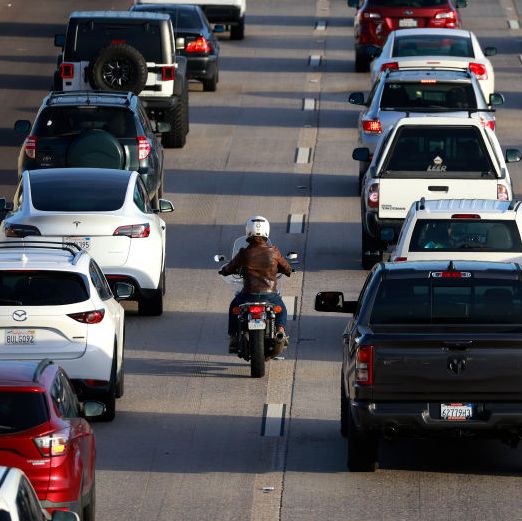
The conversation around lane splitting is ongoing. As more data becomes available from states that permit the practice, and as motorcycle safety organizations continue to advocate for riders, it is possible that Colorado could re-evaluate its stance. Any potential legislative changes would likely be accompanied by strict guidelines and educational programs to ensure rider safety.
For instance, if lane splitting were to be legalized, regulations might include:
- Speed Limits: Permitting lane splitting only at specific speeds, often below a certain mph threshold above the surrounding traffic.
- Lane Restrictions: Defining specific types of roads or lanes where splitting is allowed.
- Conditions: Prohibiting lane splitting in adverse weather conditions or at night.
- Rider Education: Mandating specific rider training courses focused on safe lane splitting techniques.
Until such changes are enacted, riders must operate under the existing legal framework in Colorado, which unequivocally prohibits lane splitting. Understanding and respecting these laws is not only a matter of legal compliance but also a critical aspect of ensuring personal safety and contributing to the overall safety of the road for all users.
Navigating Colorado’s Roads Safely
When exploring the breathtaking landscapes of Colorado on two wheels, prioritizing safety is paramount. This includes understanding and adhering to all traffic laws, regardless of whether you are a local resident or a visitor. The majestic scenery of places like Rocky Mountain National Park and the charming streets of towns like Aspen and Boulder are best enjoyed when riders can do so responsibly and legally.
For motorcyclists, this means being acutely aware of the prohibition against lane splitting. While the temptation to bypass traffic may be present, especially on highways like I-70 leading to mountain resorts, the legal consequences and safety risks are significant.
The Importance of Rider Education and Awareness
Beyond legal statutes, fostering a culture of rider education and awareness is crucial. Many motorcycle safety organizations offer advanced rider courses that cover techniques for navigating various traffic scenarios, including strategies for remaining visible and safe in congested conditions. While these courses do not endorse illegal lane splitting, they equip riders with the skills to be more proactive and defensive in their riding.
For example, understanding vehicle dynamics, hazard perception, and emergency braking techniques can be invaluable, even when strictly adhering to single-lane operation. Being able to anticipate potential hazards, such as a car drifting out of its lane or a pedestrian stepping into the road, is a cornerstone of safe motorcycling.
The Role of Other Road Users
The safety of motorcycling is a shared responsibility. While motorcyclists must operate their vehicles safely and legally, other road users also play a vital role. Drivers of cars and trucks should:
- Be Vigilant for Motorcycles: Actively look for motorcycles, especially when changing lanes, turning, or entering intersections.
- Use Turn Signals: Always signal intentions before changing lanes or turning.
- Maintain Safe Distances: Avoid tailgating, and allow adequate space for all vehicles.
- Avoid Distractions: Put away mobile phones and focus on the road.
In Colorado, where the natural beauty attracts many tourists, including motorcyclists, a collaborative approach to road safety will ensure that everyone can enjoy the state’s offerings without incident.

Conclusion on Lane Splitting in Colorado
In summary, the question “Can Motorcycles Split Lanes In Colorado?” has a definitive answer: no, it is illegal. Motorcyclists in Colorado must ride within a single lane and cannot maneuver between moving or stopped vehicles. While the debate over lane splitting continues nationally, Colorado’s current legal framework prioritizes the safety and predictability of traffic flow by prohibiting this practice. Riders venturing into the Centennial State should familiarize themselves with this regulation and focus on safe, lawful riding practices to fully appreciate the magnificent journeys Colorado has to offer.
LifeOutOfTheBox is a participant in the Amazon Services LLC Associates Program, an affiliate advertising program designed to provide a means for sites to earn advertising fees by advertising and linking to Amazon.com. Amazon, the Amazon logo, AmazonSupply, and the AmazonSupply logo are trademarks of Amazon.com, Inc. or its affiliates. As an Amazon Associate we earn affiliate commissions from qualifying purchases.