
Navigating the intricacies of vehicle registration and display requirements is a common concern for both residents and visitors to a particular locale. In Colorado, understanding whether a front license plate is mandatory can save drivers from potential citations and ensure compliance with state laws. This guide delves into the legal stipulations surrounding front license plates in the Centennial State, offering clarity for those planning a road trip through the Rocky Mountains or establishing residency.
Colorado’s Front License Plate Law: The General Rule
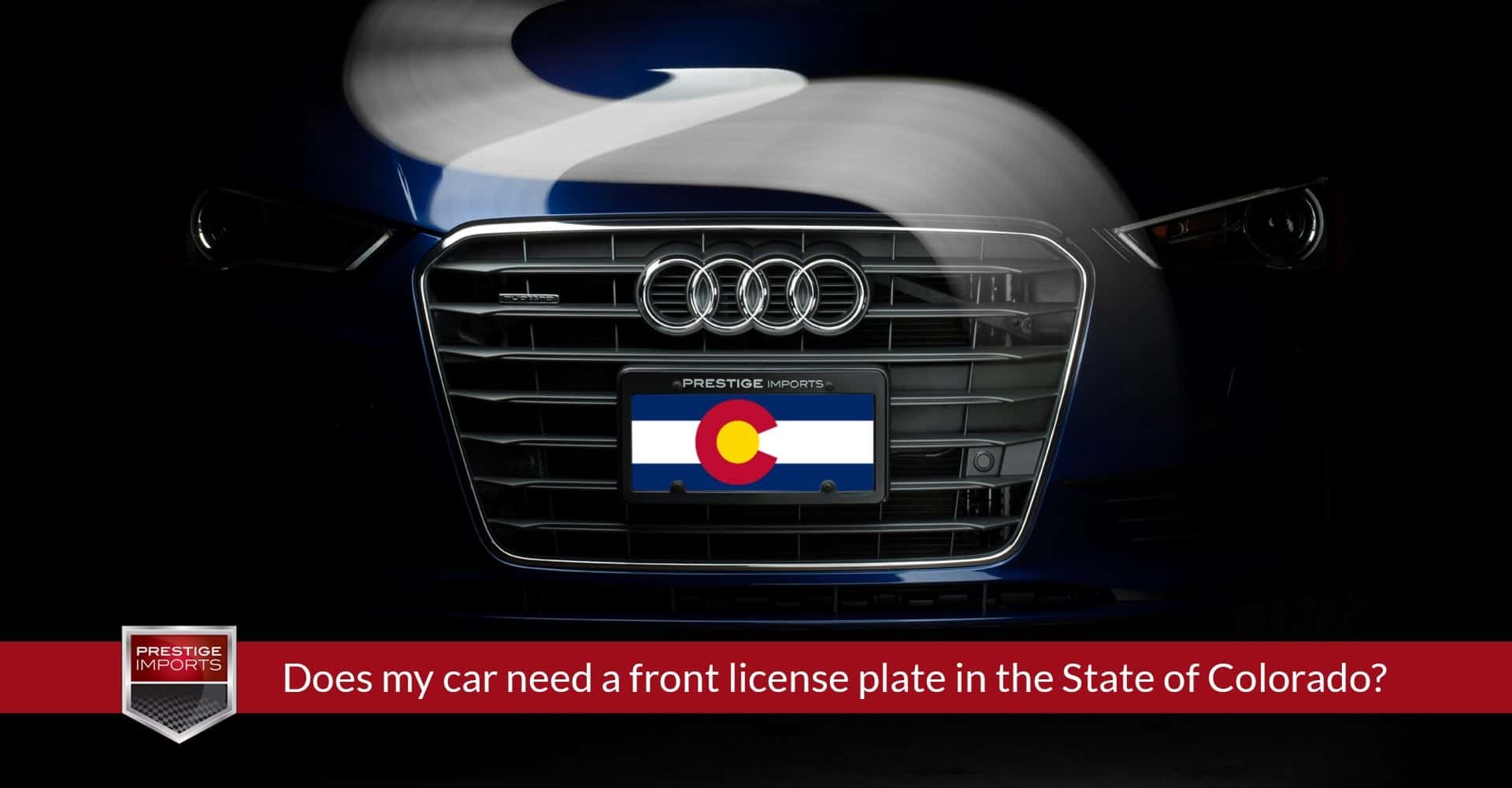
The primary legislation governing license plate display in Colorado is found within the state statutes. For most passenger vehicles, the law mandates the display of license plates in both the front and rear of the vehicle. This requirement is not merely a suggestion but a legal obligation designed to aid in identification and law enforcement efforts.
Statutory Requirements and Enforcement
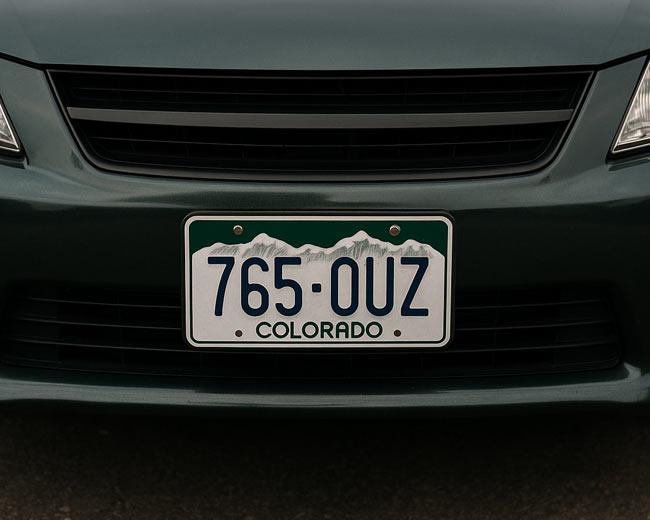
Colorado Revised Statutes § 42-3-202 outlines the requirements for displaying license plates. It stipulates that a vehicle must be equipped with two plates, one to be securely attached to the front of the vehicle and the other to the rear. These plates must be kept clean and clearly visible at all times, not obscured by any part of the vehicle or its load.
Enforcement of this law is carried out by law enforcement officers across the state, including agencies in cities like Denver, Colorado Springs, and Boulder. Failure to comply can result in traffic citations, which may include fines and points on a driver’s record. While the specific fine amounts can vary by jurisdiction and the discretion of the issuing officer, the underlying mandate remains consistent.
Rationale Behind the Law
The rationale for requiring front license plates is multifaceted. Primarily, it enhances the ability of law enforcement to identify vehicles, particularly during traffic stops, pursuits, or investigations. Having a plate visible from the front can also be crucial in accident scenarios where a hit-and-run may occur, providing investigators with critical evidence. Furthermore, some argue that it contributes to a more organized and identifiable traffic flow. For visitors exploring popular attractions like Rocky Mountain National Park or driving along scenic byways such as the Trail Ridge Road, compliance ensures a hassle-free experience.
Exceptions to the Front License Plate Rule
While the general rule in Colorado is clear, there are specific circumstances and vehicle types that are exempt from the front license plate requirement. Understanding these exceptions is vital to avoid confusion and unwarranted citations.
Motorcycles and Autocycles
One of the most common exemptions applies to motorcycles and autocycles. These two-wheeled or three-wheeled vehicles are typically only required to display a single license plate, which is affixed to the rear. This exemption is due to the design and limited space available on these types of vehicles for mounting a second plate. The same applies to scooters and mopeds, which are often categorized separately but generally fall under a similar no-front-plate stipulation.
Antique and Classic Vehicles
Colorado also provides an exemption for certain antique or classic vehicles. The specific criteria for qualifying as an antique vehicle for registration purposes are defined by state law, often relating to the age of the vehicle and its original condition. Owners of qualifying antique vehicles may be issued special plates or be exempt from displaying a front plate if their registration allows for it. This allows enthusiasts to preserve the aesthetic integrity of vintage automobiles without compromising legal requirements.
Special Purpose Vehicles
In some limited cases, certain special purpose vehicles may also be exempt. This could potentially include vehicles used for specific agricultural, industrial, or governmental purposes where standard plate display might be impractical. However, these exemptions are typically very narrowly defined and would require specific documentation or special registration from the Colorado Department of Revenue.
International Visitors and Temporary Residents
For those visiting Colorado from out of state or out of the country, understanding the local regulations is crucial. Travelers often rent vehicles or drive their own cars to explore destinations like Aspen, Vail, or Breckenridge.
Out-of-State Plates
If you are driving a vehicle registered in another state that does not require a front license plate, Colorado generally honors that registration for a period of time. However, it is always advisable to be aware of the requirements of the state you are visiting. If your home state mandates front plates and you are not displaying one, you could be cited in Colorado. Conversely, if your home state does not require a front plate, and Colorado law exempts vehicles from other states under certain conditions, you may not need to affix one temporarily. It is prudent to check the specific reciprocity agreements between Colorado and your home state.
Rental Vehicles
Rental car companies typically equip their vehicles with the necessary plates to comply with the laws of the state where the vehicle is rented. Therefore, if you rent a car in Colorado, it will almost certainly have both front and rear license plates. If you are renting a vehicle in another state and driving it into Colorado, the rental company should have ensured compliance with Colorado law.
Diplomats and Special Registrations
Individuals with diplomatic immunity or those operating under special governmental registrations may also be subject to different rules, though these are very specialized circumstances and not applicable to the general public.
Practical Advice for Drivers in Colorado
To ensure a smooth and lawful driving experience in Colorado, adhering to license plate regulations is paramount. This section provides practical tips for all drivers, whether you are a long-time resident or a tourist exploring the state’s natural wonders.
Mounting and Visibility
Regardless of whether your vehicle requires a front license plate, ensure that any plates displayed are securely mounted and in good condition. License plates should be mounted at a height and position that ensures maximum visibility. Avoid attaching them in a way that could be easily damaged or obscured by dirt, snow, or ice, especially during the winter months when driving conditions in the mountains can be challenging.
Keeping Plates Clean
A simple yet often overlooked aspect of compliance is keeping license plates clean. Mud, dust, or road grime can obscure the plate number, making it difficult for law enforcement to identify the vehicle. Regularly washing your vehicle will also help keep your plates legible. This is particularly important for drivers who frequently travel on unpaved roads or through dusty conditions common in many parts of Colorado.
Understanding Local Ordinances
While state law sets the primary requirements, some local municipalities might have specific interpretations or additional ordinances related to vehicle display. However, for front license plates, the state law is generally the overarching rule. If you are ever in doubt, consulting with local law enforcement or the Colorado Department of Revenue’s Motor Vehicle Division can provide definitive answers.
What to Do If You Receive a Citation
If you are issued a citation for a missing or improperly displayed front license plate, it is important to address it promptly. Usually, these are minor traffic infractions that can be resolved by correcting the violation and paying the associated fine, or by appearing in court. Many citations for equipment violations, like a missing license plate, can be dismissed if the driver can provide proof of compliance to the court. This typically involves getting the license plate installed and having an officer sign off on the correction, or presenting the plate to the court.
For those who are planning an extended stay or moving to Colorado, ensuring your vehicle is properly registered and equipped with the required plates before you encounter law enforcement is the best course of action. This proactive approach will allow you to fully enjoy the stunning landscapes and vibrant cities of Colorado without unnecessary concerns. Whether you are visiting the artistic hubs of Santa Fe (though in New Mexico, it’s a common road trip destination) or exploring the historic mining towns, a properly displayed license plate is a small but important part of responsible driving.
LifeOutOfTheBox is a participant in the Amazon Services LLC Associates Program, an affiliate advertising program designed to provide a means for sites to earn advertising fees by advertising and linking to Amazon.com. Amazon, the Amazon logo, AmazonSupply, and the AmazonSupply logo are trademarks of Amazon.com, Inc. or its affiliates. As an Amazon Associate we earn affiliate commissions from qualifying purchases.