
The intricate tapestry of relationships and legal recognition is a subject of constant fascination, particularly for those planning extended stays or considering significant life changes in new locales. For travelers and long-term visitors to the Centennial State, understanding the legal framework surrounding marriage is paramount. While the allure of Colorado often lies in its breathtaking natural landscapes, from the majestic peaks of the Rocky Mountains to the vibrant urban life of Denver, sojourners should also be aware of the legal tenets that govern personal relationships. This exploration delves into the specific question of common law marriage in Colorado, clarifying its status and implications for those contemplating or currently residing in the state.
Understanding Common Law Marriage
Common law marriage, a concept that harks back to an era when formal ceremonies were less accessible, allows couples to be legally recognized as married without the necessity of a marriage license or solemnization. The fundamental principle behind common law marriage is that a couple, by their own declaration and conduct, can establish a marital relationship. This typically requires several key elements to be present concurrently:
Intent to be Married
The most crucial element is the genuine and mutual intent of both individuals to be married. This isn’t a casual understanding or a long-term commitment akin to a domestic partnership; it’s a serious, present-tense intention to enter into the legal status of marriage. This intent must be clear and unequivocal, meaning both parties must consider themselves married to each other in the eyes of the law. Evidence of this intent can be demonstrated through various means, such as:
- Public Declarations: Stating to friends, family, or the community that they are married.
- Consistent Conduct: Acting as a married couple in all aspects of their lives, including financial matters, living arrangements, and social interactions.
- Written Agreements: While not strictly necessary, written documents that attest to their marital status can provide strong evidence.
Holding Out to the Public
Beyond the internal intent, the couple must also “hold themselves out” to the public as being married. This means presenting themselves to their community, friends, family, and acquaintances as a married couple. This outward presentation is a critical component and can be evidenced by:
- Using the same last name: While not universally required, it’s a common indicator.
- Filing joint tax returns: This is a significant piece of evidence demonstrating a shared financial life as a married couple.
- Referring to each other as “husband” or “wife”: In both private and public conversations.
- Listing each other as spouses on official documents: Such as insurance policies, loan applications, or employment forms.
- Maintaining a joint bank account or shared property: Demonstrating a unified financial and living arrangement.
Cohabitation
While the intent and holding out are primary, cohabitation is typically an essential element. The couple must live together as husband and wife. This implies a shared residence and a life lived in common, reinforcing the notion of a marital union. The duration and nature of cohabitation can vary, but it must be continuous and consistent with a married couple’s lifestyle.
Colorado’s Stance on Common Law Marriage
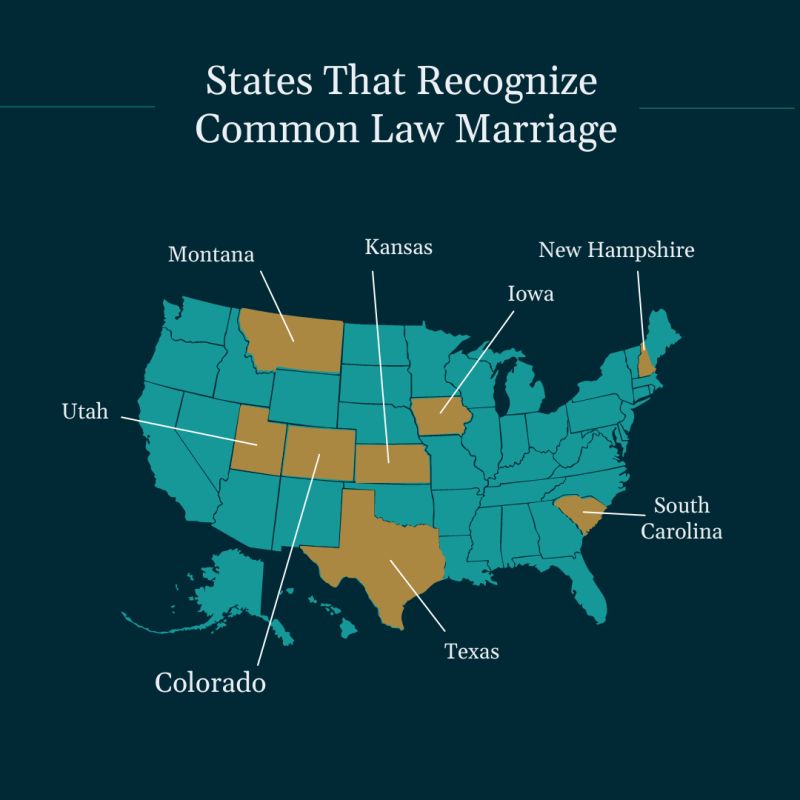
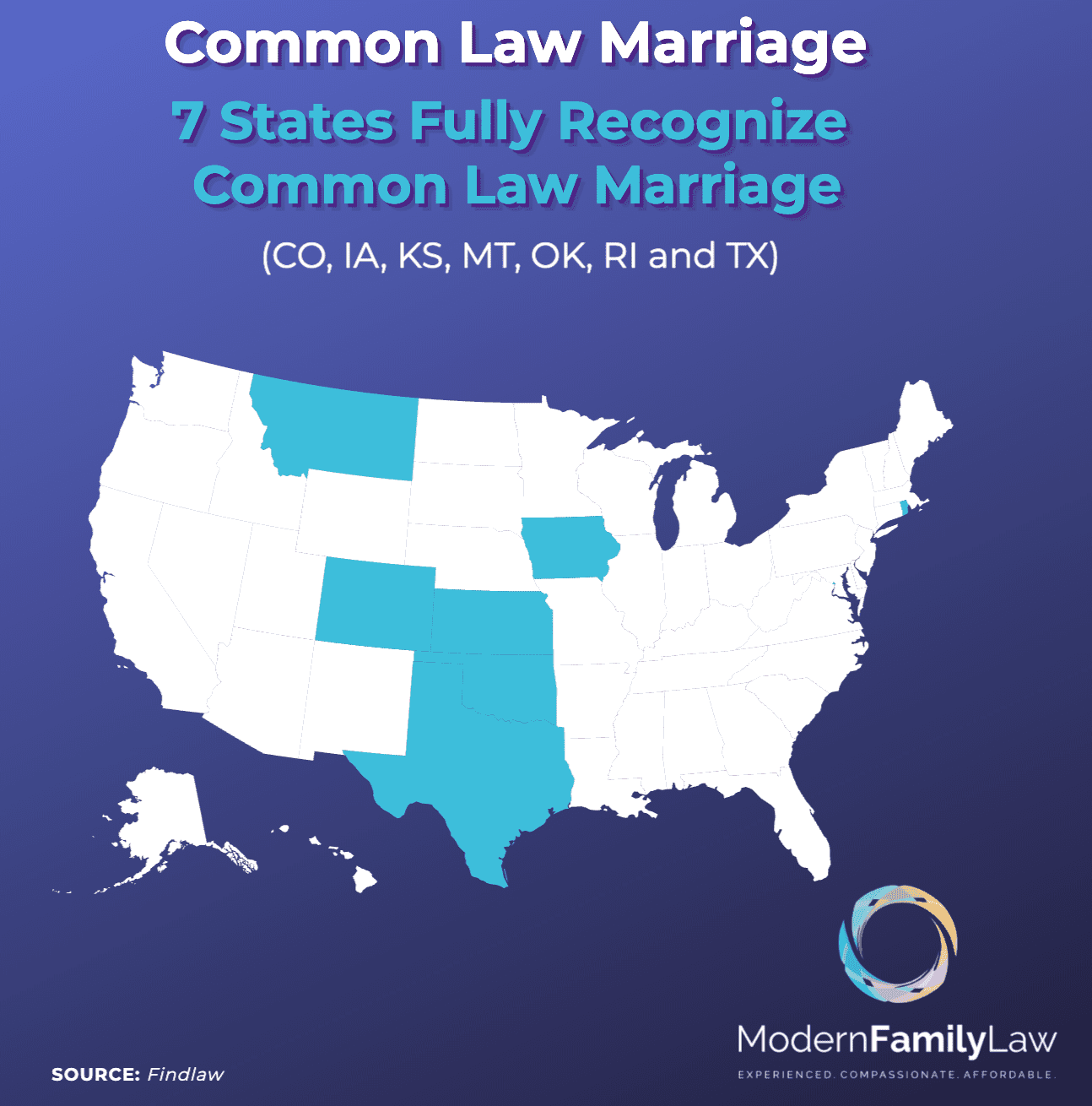
For those planning a visit to Colorado or considering a longer stay, it is important to understand the state’s legal position on common law marriage. Colorado does not recognize new common law marriages as of January 1, 2024. This is a significant change from previous law.
Historically, Colorado was one of the states that permitted the formation of common law marriages. Couples who met the criteria of intent, holding out, and cohabitation could establish a legal marriage without a formal ceremony. However, the legislative landscape has shifted.
The Abolition of New Common Law Marriages
The Colorado General Assembly passed a bill, which was signed into law, that officially abolished the creation of new common law marriages within the state. This means that after December 31, 2023, it is no longer possible to enter into a common law marriage in Colorado.
This decision was driven by a desire to provide clearer legal definitions of marital status and to align Colorado with many other states that have already abolished common law marriage. The ambiguity and potential for disputes surrounding common law marriages were cited as reasons for the change.
Grandfather Clause for Existing Common Law Marriages
It is crucial to note that this abolition is not retroactive. Any common law marriages that were validly established in Colorado before January 1, 2024, remain legally recognized. The state respects existing marital unions that met the legal requirements at the time of their formation.

If a couple believes they entered into a common law marriage in Colorado prior to the effective date of the new law, and they wish to have this marriage legally affirmed or require proof of it (for instance, in matters of inheritance, divorce, or benefits), they may need to take steps to formalize its recognition. This could involve:
- Obtaining a court order: Petitioning a Colorado court to declare the existence of the common law marriage.
- Filing a marriage certificate: In some cases, if sufficient evidence exists, it may be possible to file a marriage certificate with the state, retroactively acknowledging the marriage.
The specific requirements for proving an existing common law marriage can be complex and often necessitate legal counsel.
Implications for Travelers and Long-Term Residents
The abolition of new common law marriages in Colorado has significant implications for individuals who might have previously considered this an option for establishing marital status.
For Tourists and Short-Term Visitors
For those visiting Colorado for leisure, such as exploring national parks like Rocky Mountain National Park or attending events in cities like Boulder, the change in law has minimal direct impact. Their marital status, if established in another jurisdiction, will generally be recognized in Colorado according to principles of comity. For couples who are not legally married and are simply traveling together, the legal implications are negligible.
For Long-Term Residents and Those Considering Relocation
Individuals planning to live in Colorado for an extended period, or those who have recently relocated with a partner without a formal marriage, need to be aware of this legal shift. If a couple wishes to be legally recognized as married in Colorado now, they must undergo a formal marriage process, which involves obtaining a marriage license and having a ceremony performed by an authorized officiant.
This means that for couples who are cohabiting in Colorado and have not formally married, and who wish to gain legal marital status, the pathway now requires explicit legal steps. The days of a relationship evolving into a recognized marriage through mutual intent and public acknowledgment alone are over in the Centennial State for new unions.
What Couples Should Do
Given this legal evolution, couples residing in or planning to reside in Colorado should take proactive steps to ensure their legal standing aligns with their relationship intentions.
For Couples Who Believe They Have an Existing Common Law Marriage
If you and your partner believe you established a valid common law marriage in Colorado before January 1, 2024, and you need to prove this status for legal or practical reasons, it is highly recommended to consult with a family law attorney in Colorado. They can guide you through the process of gathering evidence and seeking legal affirmation of your marital status. This is especially important for matters such as:
- Inheritance: Ensuring that a surviving partner is recognized as an heir.
- Divorce proceedings: Establishing the legal grounds for dissolving the marriage.
- Property division: Clarifying ownership and division of assets acquired during the relationship.
- Healthcare decisions and benefits: Ensuring legal recognition for hospital visitation rights or spousal benefits.
For Couples Wishing to Marry in Colorado Now
For any couple who wants to be legally married in Colorado and whose relationship did not meet the common law marriage criteria before January 1, 2024, the path is clear:
- Obtain a Marriage License: Visit any county courthouse in Colorado to apply for a marriage license. You will need to provide identification and potentially other documentation.
- Hold a Ceremony: The marriage must be solemnized by an individual authorized to perform marriage ceremonies in Colorado, such as a judge, clergy member, or other officiant.
- File the Marriage Certificate: After the ceremony, the officiant will file the completed marriage certificate with the county clerk, officially registering your marriage.
This formal process ensures clear and indisputable legal recognition of your marital status. It removes the potential ambiguities that were inherent in common law marriage and provides a secure legal foundation for your union.
Conclusion
The legal landscape of marriage is ever-evolving, and Colorado’s decision to abolish new common law marriages marks a significant point of clarification for residents and visitors alike. While the beauty of the state continues to attract many, from the charming ski resorts like Aspen to the vast expanses of its natural beauty, understanding its laws is an integral part of planning any long-term engagement with the Centennial State. For couples seeking legal recognition of their union in Colorado, the route forward is now one of formal legal procedures, ensuring clarity and certainty for all involved.
LifeOutOfTheBox is a participant in the Amazon Services LLC Associates Program, an affiliate advertising program designed to provide a means for sites to earn advertising fees by advertising and linking to Amazon.com. Amazon, the Amazon logo, AmazonSupply, and the AmazonSupply logo are trademarks of Amazon.com, Inc. or its affiliates. As an Amazon Associate we earn affiliate commissions from qualifying purchases.