
While the Rocky Mountains are renowned for their majestic peaks, crisp alpine air, and world-class ski resorts, a less-discussed geological phenomenon occasionally makes its presence known: earthquakes. For many visitors and even some residents, the idea of seismic activity in the Centennial State might come as a surprise. However, understanding the nature of earthquakes in Colorado adds another layer of appreciation for the dynamic geological forces that have shaped this incredible landscape. This exploration delves into Colorado’s seismic past, present, and future, offering insights relevant to those planning a trip or considering a stay within its borders.

Understanding Colorado’s Seismic Landscape
Colorado is situated in a region that is not part of a major tectonic plate boundary, unlike the Pacific Northwest or California, which are famous for their frequent and often powerful earthquakes. The state sits on the North American Plate, a vast and relatively stable continental plate. This geological setting means that large-scale, tectonic earthquakes originating from the movement of these massive plates are rare.
However, “rare” does not mean “non-existent.” The Earth’s crust is a complex and fractured system, and stresses can build up and be released in various ways, even far from plate edges. In Colorado, the seismic activity that does occur is primarily characterized by smaller magnitude events. These are often so minor that they go unnoticed by the general population, detected only by sensitive seismological instruments.
The Role of Natural Faults
Beneath the surface of Colorado lies a network of ancient fault lines, remnants of past geological upheavals. While these faults are not actively ripping apart continents, they can still experience sudden slips, generating seismic waves. These natural fault movements are the most common cause of minor earthquakes in the state. Areas like the Salida region and parts of southern Colorado have historically shown minor seismic activity related to these geological structures.
Human-Induced Seismicity: A Growing Consideration
In recent decades, a new factor has emerged that can influence seismic activity: human activities. While not as significant as in some other regions, certain industrial processes can induce minor tremors. The most commonly discussed human-induced seismic activity is linked to fluid injection or withdrawal from the earth. This includes:
- Wastewater Injection Wells: The disposal of wastewater from oil and gas operations, where fluids are injected deep underground, can sometimes lubricate existing faults, causing them to slip and generate small earthquakes. This has been a concern in certain parts of the United States, and while not as prevalent or significant in Colorado as in some other states, it remains a factor considered by geologists monitoring seismic activity.
- Hydraulic Fracturing (Fracking): While the act of fracking itself is less likely to cause noticeable earthquakes, the subsequent disposal of the wastewater generated can.
- Reservoir Impoundment: The creation of large reservoirs behind dams can also, in rare cases, increase pressure on underground fault lines, leading to induced seismicity. Colorado has numerous reservoirs, though the seismic impact from these is typically minimal.
It is important to distinguish between natural earthquakes and induced seismicity. While both can cause ground shaking, induced earthquakes are often smaller and more localized, directly related to specific human activities.
Notable Seismic Events in Colorado
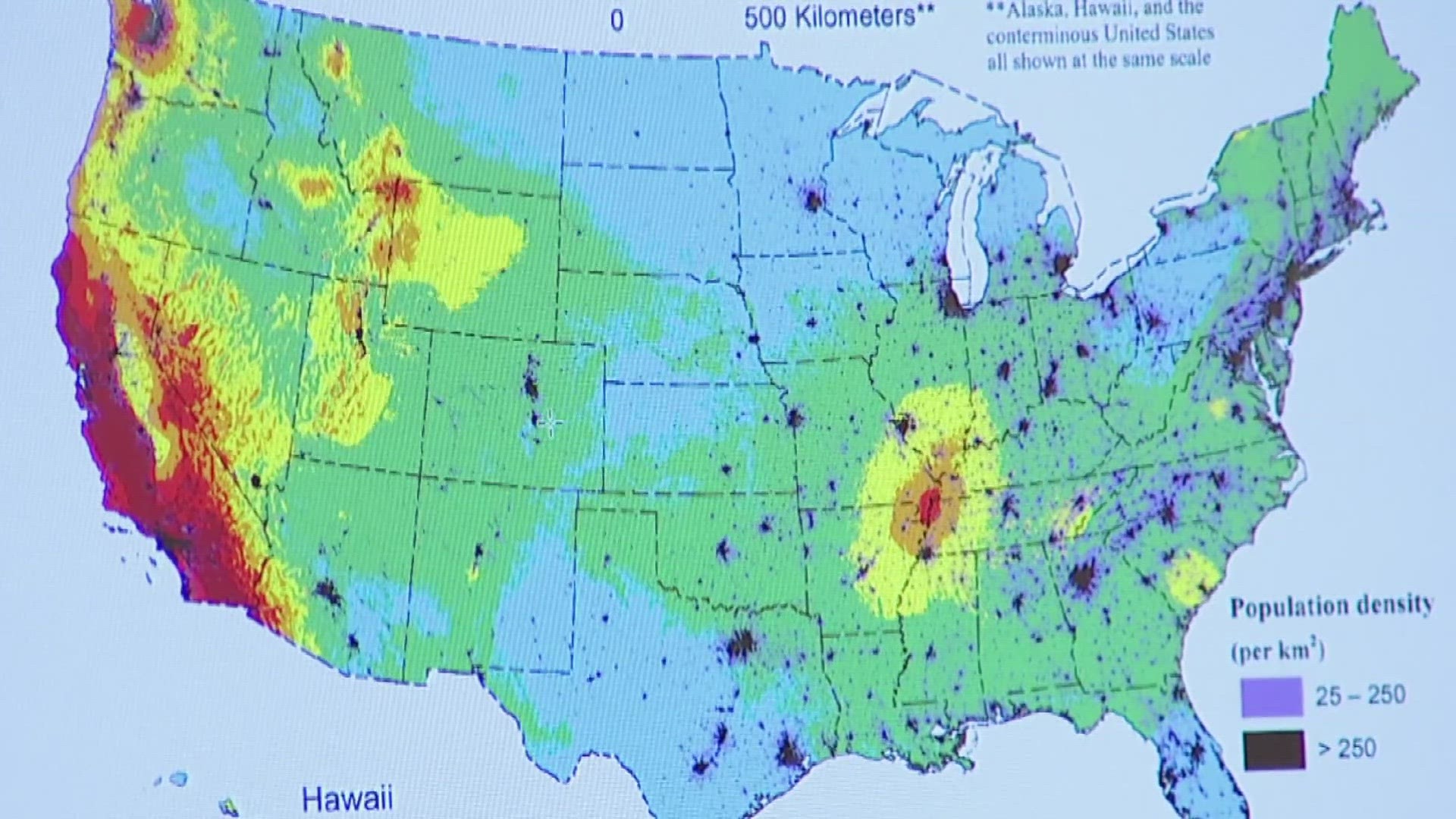
While Colorado is not prone to devastating earthquakes, there have been instances of seismic activity that have been felt. These events, though infrequent, serve as reminders of the Earth’s ongoing geological processes.
The 1967 Paradox Lake Earthquake
One of the most significant earthquakes historically recorded in Colorado occurred on November 6, 1967. Centered near Paradox Lake in western Colorado, this earthquake had a magnitude of approximately 5.0. While not catastrophic, it was strong enough to be felt across a wide area, rattling windows and causing minor damage in nearby communities. The event is a key data point for understanding the potential for natural fault rupture in the state.
Recent Minor Tremors
In more recent times, seismographs have detected numerous small earthquakes across the state. These are often in the magnitude 2.0 to 3.5 range, meaning they are usually only felt by people very close to the epicenter, if at all. These events are common and are part of the background seismic noise of the region. Monitoring stations, such as those operated by the Colorado Geological Survey or affiliated university programs, track these events to understand regional stress patterns.
What Does This Mean for Visitors and Residents?
For travelers planning a visit to Colorado – perhaps for skiing at Aspen or hiking in Rocky Mountain National Park – the seismic risk is extremely low. The probability of experiencing a damaging earthquake during a typical visit is negligible. Hotels, resorts, and other accommodations in popular destinations like Denver, Boulder, or the mountain towns are built to stringent building codes that account for various environmental factors, including the minimal seismic potential of the region.
Safety and Preparedness
While the risk is low, it’s always prudent for anyone visiting or living in an earthquake-prone area (even mildly so) to be aware of basic earthquake safety.
- During an Earthquake: If you feel shaking, the primary advice is to “drop, cover, and hold on.” Drop to your hands and knees, cover your head and neck with your arms, and hold onto a sturdy piece of furniture.
- After an Earthquake: Be aware of aftershocks, though in Colorado, these would likely be very minor. Check for any damage to your accommodation.

Geological Tourism and Education
For those with a keen interest in geology, Colorado offers fascinating opportunities to learn about the forces shaping our planet. While you won’t find active fault lines to tour, the state’s diverse geological history is evident in its stunning landscapes. Geological tours, visitor centers at national parks, and local museums often provide insights into the region’s seismic past and present. Understanding the underlying geology, including the rare seismic events, enhances the appreciation for the dramatic topography that draws millions to the state each year.
The presence of earthquakes in Colorado, even minor ones, underscores the dynamic nature of our planet. While the state is far from a seismic hotspot, acknowledging its seismic potential adds another dimension to its already rich tapestry of natural wonders and geological history. Whether you are enjoying a luxurious stay at a resort in Vail or exploring the historic streets of Old Colorado City, you are in a region shaped by powerful, albeit often slow-moving, geological forces.
LifeOutOfTheBox is a participant in the Amazon Services LLC Associates Program, an affiliate advertising program designed to provide a means for sites to earn advertising fees by advertising and linking to Amazon.com. Amazon, the Amazon logo, AmazonSupply, and the AmazonSupply logo are trademarks of Amazon.com, Inc. or its affiliates. As an Amazon Associate we earn affiliate commissions from qualifying purchases.