
Embarking on a career as a real estate agent in the Centennial State offers a dynamic path filled with opportunity, particularly given Colorado’s vibrant market and its appeal as a premier destination for residents and visitors alike. The journey to becoming a licensed Realtor in Colorado is a structured one, involving education, examination, and adherence to state regulations. This guide will navigate you through the essential steps, from initial requirements to the ongoing commitment of maintaining your license, ensuring you are well-prepared to serve clients in this sought-after locale. While the core of this process focuses on professional licensing, understanding the nuances of the Colorado real estate landscape—from the bustling urban centers like Denver to the charming mountain towns—will undoubtedly enrich your experience and client interactions.
The Foundation: Meeting Colorado’s Realtor Requirements
To begin your career as a real estate professional in Colorado, you must first meet specific eligibility criteria set forth by the Colorado Division of Real Estate. These prerequisites are designed to ensure that all licensed agents possess a foundational understanding of real estate principles and practices, as well as a commitment to ethical conduct.
Age and Residency
A fundamental requirement is that you must be at least 18 years of age to obtain a Colorado real estate license. While there are no strict residency requirements to obtain a license, you will need to demonstrate that you can fulfill your professional obligations within the state. This typically means being present or having a reliable method for conducting business within Colorado.
Education – The Pre-Licensing Course
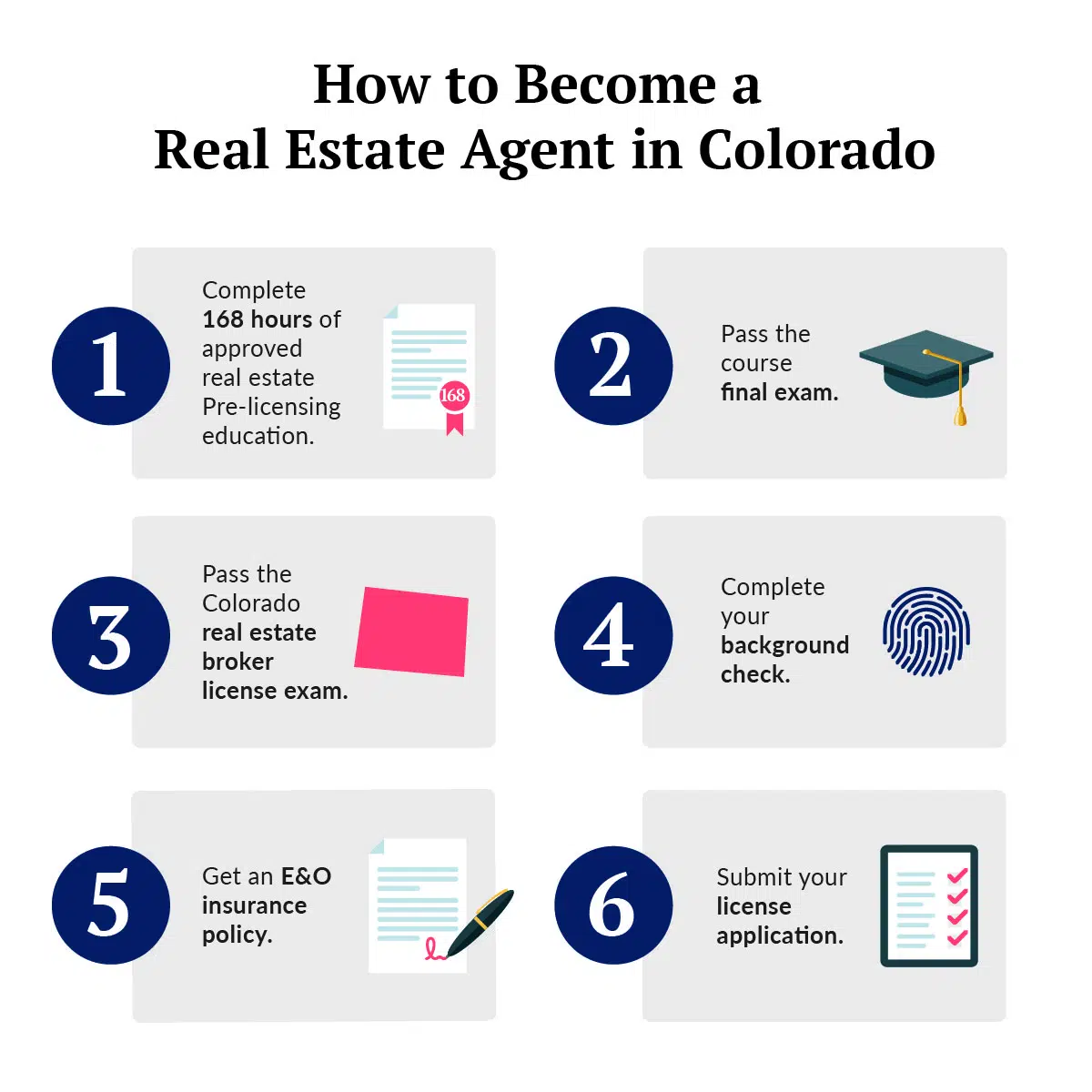
The cornerstone of your educational journey is completing a state-approved 168-hour pre-licensing real estate course. This comprehensive curriculum is mandated by the Colorado Division of Real Estate and covers a wide array of essential topics. These include:
- Real Estate Law: Understanding the legal framework governing property transactions, including contracts, deeds, and agency relationships.
- Contracts and Closings: Mastering the intricacies of real estate contracts, the closing process, and the associated documentation.
- Property Management: Gaining insights into the responsibilities and legalities of managing rental properties.
- Real Estate Finance: Learning about mortgage lending, financing options, and the financial aspects of property transactions.
- Ethics and Fair Housing: Instilling a strong sense of ethical practice and understanding fair housing laws to ensure equitable service for all clients.
- Colorado Specific Regulations: Delving into the state-specific laws and brokerage rules that govern real estate practice in Colorado.
These courses are offered by various approved real estate schools, both online and in-person. When selecting a program, consider factors such as instructor experience, course materials, and pass rates for the licensing exam. Many schools also offer supplementary study materials and practice exams, which can be invaluable for exam preparation.
Criminal Background Check
As part of the licensing process, you will be required to undergo a criminal background check, including fingerprinting. This is a standard procedure to ensure the integrity of the real estate profession and to protect the public. Any criminal history will be reviewed by the Colorado Division of Real Estate, and decisions are made on a case-by-case basis. Honesty and full disclosure are paramount during this stage.
Navigating the Licensing Examination
Once you have successfully completed your pre-licensing education, the next significant hurdle is passing the Colorado real estate salesperson licensing examination. This exam is administered by a third-party testing service, typically Pearson VUE.
Understanding the Exam Structure
The exam is divided into two main sections: a national portion and a state-specific portion.
- National Portion: This section covers general real estate principles and practices that are common across most states. It assesses your knowledge of real estate law, finance, ethics, and property appraisal, among other topics.
- State Portion: This segment is tailored to Colorado’s unique real estate laws, regulations, and practices. It will test your understanding of Colorado contract forms, disclosure requirements, and brokerage operations specific to the state.
The exam is typically administered in a computer-based format, and you will receive your results immediately upon completion. A passing score is required for each section, and you are allowed multiple attempts to pass if necessary, though there are limits on the number of attempts and timeframes between them.
Preparing for Success
Effective preparation is key to passing the licensing exam. Utilize the study materials provided by your pre-licensing course, focusing on areas where you feel less confident. Practice exams are an excellent tool for familiarizing yourself with the exam format, identifying weak spots, and improving your time management skills. Many real estate schools offer dedicated exam prep courses or workshops designed to reinforce key concepts and build test-taking confidence. Consider reviewing the official Colorado Real Estate Commission Candidate Information Bulletin, which provides detailed information about the exam content, structure, and scheduling.
The Brokerage Affiliation and Licensing Application
Passing the exam is a significant achievement, but it is not the final step. To practice as a real estate agent in Colorado, you must be affiliated with a licensed employing or supervising broker.
Finding a Sponsoring Broker
Your sponsoring broker is crucial for your initial success and ongoing development as a Realtor. They provide the necessary oversight and guidance required by the state. When choosing a brokerage, consider:
- Company Culture and Values: Look for a firm whose culture aligns with your professional aspirations and ethical standards.
- Training and Mentorship Programs: Some brokerages offer robust training and mentorship for new agents, which can be invaluable.
- Commission Splits and Fee Structures: Understand how you will be compensated and any associated desk fees or other costs.
- Technology and Marketing Support: Evaluate the tools and resources the brokerage provides to help you market yourself and manage your business.
- Reputation and Market Presence: A well-established brokerage with a strong reputation in Colorado can provide a solid foundation.
You will need to find a broker who is willing to sponsor you before you can submit your license application.
Submitting Your Application
Once you have successfully passed the licensing exam and secured a sponsoring broker, you can submit your official application for a Colorado real estate salesperson license to the Colorado Division of Real Estate. This application will require proof of your completed education, exam results, and information about your sponsoring broker. There will be a licensing fee associated with this application. The division will then review your application, and upon approval, your license will be issued.
Maintaining Your License and Continuing Your Growth
Obtaining your real estate license is just the beginning of a continuous learning process. To maintain your active license in Colorado, you must fulfill ongoing continuing education requirements and adhere to the state’s professional standards.
Continuing Education (CE) Requirements
The Colorado Division of Real Estate mandates that licensed real estate agents complete a specific number of hours of continuing education every two years. These CE courses ensure that agents stay current with changes in real estate law, market trends, and best practices.
- Annual Mandatory Courses: A portion of your CE hours will likely be dedicated to specific mandatory courses covering topics such as brokerage responsibilities, contract forms, and legal updates.
- Elective Courses: The remaining hours can be fulfilled through a variety of elective courses covering topics relevant to your professional development, such as advanced sales techniques, marketing strategies, or property valuation.
It is crucial to track your CE progress and complete your requirements before your license renewal deadline to avoid any lapses in your ability to practice.
Ethical Conduct and Professionalism
As a licensed Realtor, you are held to a high standard of ethical conduct. This includes adhering to the Colorado Real Estate Commission’s rules and regulations, as well as the Code of Ethics of the National Association of Realtors. Maintaining professionalism in all your dealings, providing honest and transparent service to your clients, and building a reputation for integrity are paramount to long-term success in this career. This is especially true in a state like Colorado, where strong client relationships are built on trust and reliability. The diverse landscapes, from the urban opportunities in Denver to the recreational havens near Aspen, present a unique environment for real estate professionals, demanding adaptability and local expertise.
LifeOutOfTheBox is a participant in the Amazon Services LLC Associates Program, an affiliate advertising program designed to provide a means for sites to earn advertising fees by advertising and linking to Amazon.com. Amazon, the Amazon logo, AmazonSupply, and the AmazonSupply logo are trademarks of Amazon.com, Inc. or its affiliates. As an Amazon Associate we earn affiliate commissions from qualifying purchases.