
Understanding the proximity and travel dynamics between Aurora and Denver is fundamental for anyone planning a visit or relocation to the Colorado Front Range. These two vibrant cities, while distinct in character and offerings, are intimately connected, sharing borders and a metropolitan area that fosters a constant flow of residents and visitors. The question of “how far” is not merely about mileage but encompasses the various modes of transportation, the time commitment involved, and the practical considerations for navigating between these urban centers.
Understanding the Geographic Connection
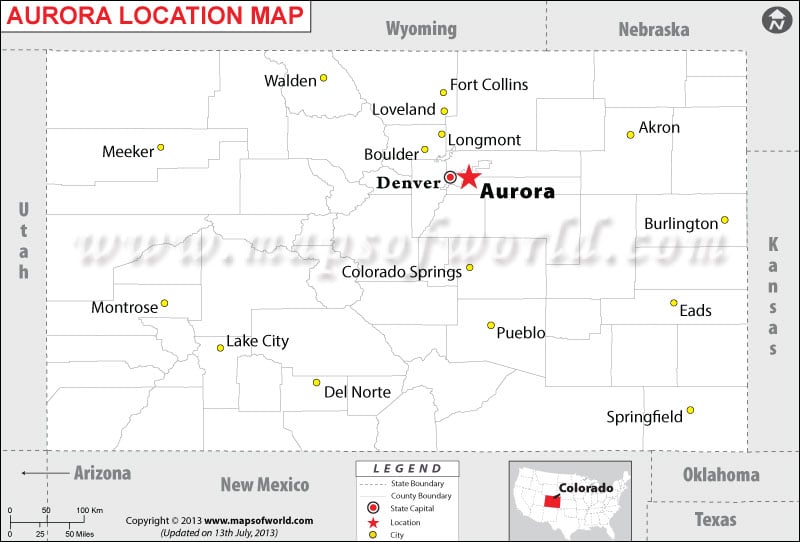
Aurora, the third-largest city in Colorado, and Denver, the state capital, are neighboring municipalities. Their shared border is a significant factor in their interconnectedness. The exact distance between any two points within these cities will vary, but the core question generally refers to the distance between their central business districts or key landmarks.

Central Business Districts and Downtown Cores
The heart of Denver is often considered the area around 16th Street Mall and the financial district. In Aurora, while it lacks a single, dominant downtown in the same vein as Denver, key civic and commercial hubs include the Aurora City Center area, which houses the Aurora Municipal Building and the Aurora Fox Arts Center, and the bustling retail and entertainment zones around the Gaylord Rockies Resort & Convention Center and I-225 corridor.
From the general vicinity of Denver’s Union Station (a major transportation hub) to the Aurora City Center, the driving distance is approximately 10-12 miles. This translates to a relatively short commute, especially when considering the vastness of many other metropolitan areas.
Bordering Neighborhoods and Suburbs
The practical implications of their proximity are most evident in their bordering neighborhoods. Areas like Stapleton (now known as Central Park), Lowry, and parts of east Denver directly abut communities within Aurora. For residents living in these transitional zones, the “distance” between the cities can feel negligible, with daily commutes often involving crossing city lines multiple times.
Modes of Transportation and Travel Times
The “how far” question is intrinsically linked to the chosen method of travel. The Denver metropolitan area offers a variety of transportation options, each with its own advantages and time implications.
Driving: The Most Common Approach
For most individuals, driving is the primary way to traverse between Aurora and Denver. The major arterial routes include:
- I-70 East/West: This interstate highway is a critical artery, connecting eastern Aurora to downtown Denver and beyond. Travel time can range from 15-30 minutes under optimal conditions.
- I-225 South/North: This beltway connects southeastern Aurora with parts of south Denver and is often used to bypass central city traffic or to access areas in the southeastern quadrant of the metro area.
- Colfax Avenue: This historic and famously long street runs east-west through both cities. While offering a more scenic and direct route through neighborhoods, it is subject to traffic lights and urban congestion, making travel times variable and often longer than highway routes.
Factors Affecting Driving Times:
- Time of Day: Rush hour, typically 7-9 AM and 4-6 PM on weekdays, can significantly increase travel times. Commute durations can easily double during these periods.
- Traffic Incidents: Accidents, construction, or special events in either city can cause unpredictable delays.
- Specific Starting and Ending Points: Traveling from the far eastern edge of Aurora to the western edge of Denver will naturally take longer than a short hop between adjacent neighborhoods.
Public Transportation: RTD’s Reach
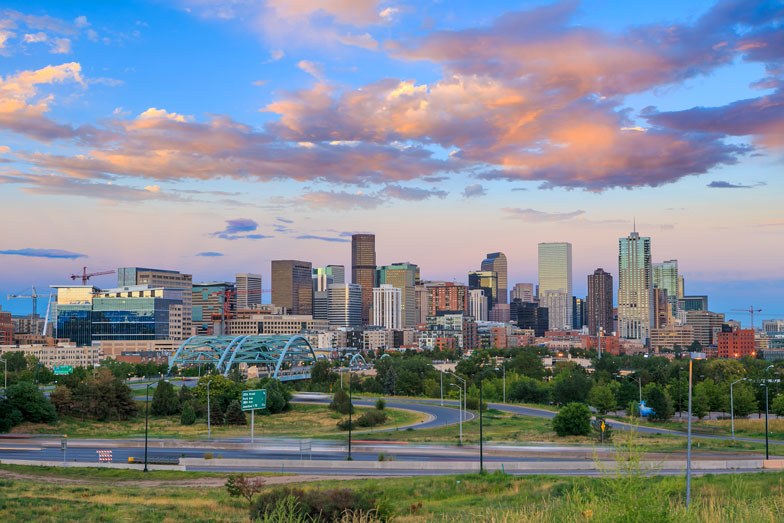
The Regional Transportation District (RTD) provides public transit services throughout the Denver metro area, including connections between Aurora and Denver.
Light Rail: A Convenient Option
- A Line (East-West Rail Line): This commuter rail line is a game-changer for connectivity. It originates at Denver International Airport (DIA), passes through Aurora, and terminates at Denver Union Station. The travel time from stations within Aurora to Union Station is typically around 20-30 minutes, offering a reliable and predictable alternative to driving, especially during peak hours.
- R Line: This line connects southeastern Aurora to areas in south Denver, offering another crucial transit link.
Bus Services
RTD also operates numerous bus routes that crisscross the metropolitan area. These routes can be essential for reaching destinations not directly served by light rail or for shorter intra-city travel within Aurora or Denver before connecting to a longer-distance route. Bus travel times are generally longer than light rail due to stops and traffic, but they offer extensive coverage.
Other Transportation Methods
- Biking: For the more adventurous and those living within proximity, biking is an option. Dedicated bike lanes and trails are increasingly available, though it’s important to plan routes carefully, considering traffic and distance. The “Cherry Creek Trail,” for example, offers a scenic path connecting parts of Denver and extending towards areas that can lead into Aurora.
- Ride-Sharing Services: Companies like Uber and Lyft are readily available and provide door-to-door service. Travel times will largely mirror driving times, with pricing dependent on distance and demand.
Navigating Between Urban Centers: Practical Considerations
The short distance between Aurora and Denver makes them functionally part of the same living and working landscape for many. However, understanding the practicalities ensures a smoother experience.
Business and Employment
Many residents of Aurora commute to jobs in Denver, and vice versa. The availability of both driving and reliable public transit options makes this feasible. Major employment centers in Denver include the central business district, the Denver Tech Center, and the University of Colorado Anschutz Medical Campus (which is technically located in Aurora but draws heavily from Denver). Conversely, significant employers and economic drivers exist within Aurora, including its strong healthcare sector and growing business parks.
Leisure and Entertainment
The proximity means that residents and visitors can easily access the diverse offerings of both cities.
- Denver’s Attractions: World-class cultural institutions like the Denver Art Museum, the Denver Museum of Nature & Science, professional sports venues such as Coors Field and Ball Arena, and the vibrant nightlife and dining scene in areas like LoDo are just a short trip away from Aurora.
- Aurora’s Offerings: Aurora boasts its own impressive array of attractions. The Aurora Reservoir and Cherry Creek State Park offer extensive outdoor recreation. The city also features a diverse culinary scene, reflecting its multicultural population, and numerous parks and open spaces. The Gaylord Rockies Resort & Convention Center is a major destination in itself, providing entertainment and accommodation options.
Real Estate and Lifestyle
The interconnectedness influences real estate choices. Many choose to live in Aurora for potentially more affordable housing or larger lot sizes, while still commuting to jobs or enjoying amenities in Denver. The diverse neighborhoods in both cities cater to a wide range of lifestyles, from urban apartments to suburban family homes.
Conclusion: A Seamless Urban Continuum
In essence, the question “How Far Is [Aurora, Colorado] To [Denver, Colorado]?” rarely translates to a significant barrier. The cities are geographically adjacent, with travel times often measured in minutes rather than hours for most common destinations. Whether by car, light rail, bus, or other means, the ability to move freely between these two dynamic urban centers is a defining characteristic of the Denver metropolitan area. This seamless connection fosters a shared identity, economic synergy, and a rich tapestry of experiences for residents and visitors alike, making the distinction between them more about local flavor and specific attractions than a matter of substantial distance.
LifeOutOfTheBox is a participant in the Amazon Services LLC Associates Program, an affiliate advertising program designed to provide a means for sites to earn advertising fees by advertising and linking to Amazon.com. Amazon, the Amazon logo, AmazonSupply, and the AmazonSupply logo are trademarks of Amazon.com, Inc. or its affiliates. As an Amazon Associate we earn affiliate commissions from qualifying purchases.