
The proximity and inherent geological kinship between Colorado and Utah make them neighboring titans in the American West, offering a spectrum of landscapes and adventures. While “distance” can be measured in mere miles, for the intrepid traveler, it’s a gateway to exploring distinct, yet complementary, natural wonders and cultural experiences. Understanding the geographical relationship between these two states is the first step in planning an unforgettable journey that seamlessly bridges the Rockies and the Colorado Plateau.
Bridging the Rocky Mountains and the Colorado Plateau
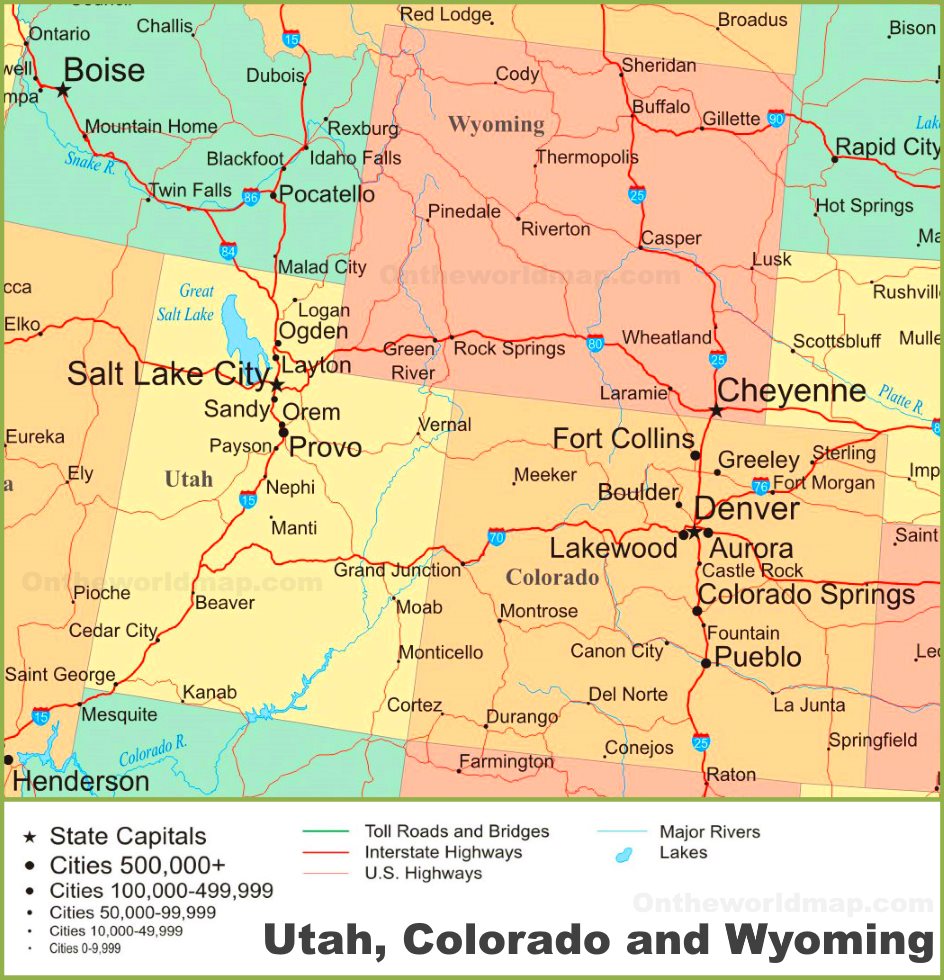
The border between Colorado and Utah stretches for approximately 350 miles, largely defined by north-south meridians and east-west parallels. This shared boundary is a testament to the dramatic geological forces that shaped the Western United States. To the east, Colorado boasts the majestic Rocky Mountains, a formidable range characterized by soaring peaks, alpine meadows, and dense forests. Conversely, Utah is the undisputed sovereign of the Colorado Plateau, a vast, high-elevation desert renowned for its surreal sandstone formations, deep canyons, and vibrant geological tapestry.

Driving Distances and Major Routes
The most direct routes for travel between Colorado and Utah often involve major interstate highways that cut across the heart of the West.
Denver to Salt Lake City
One of the most common travel corridors connects Denver, the vibrant capital of Colorado, to Salt Lake City, the bustling hub of Utah. This journey, primarily via I-70 West and then I-15 North, covers roughly 520 miles and typically takes about 8 to 9 hours of driving time, not including stops. The route offers a visual transition from the rolling foothills of the Front Range to the high desert plains of western Colorado and into the stark beauty of eastern Utah. Major cities and towns along the way, such as Grand Junction, Colorado, provide convenient points for rest and refueling.
Aspen to Moab
For travelers seeking to immerse themselves in the rugged beauty of the mountains and the iconic red rock landscapes, the drive from Aspen, Colorado, to Moab, Utah, is a spectacular, albeit more winding, option. This route involves navigating mountain passes, including the famous Independence Pass (seasonal), and then heading west. The distance is considerably less, around 250 miles, but the driving time can extend to 5 to 6 hours due to the challenging terrain and slower speeds. This journey offers unparalleled scenic vistas, passing through the heart of the San Juan Mountains in Colorado before descending into the dramatic canyons surrounding Moab.
Other Key Connections
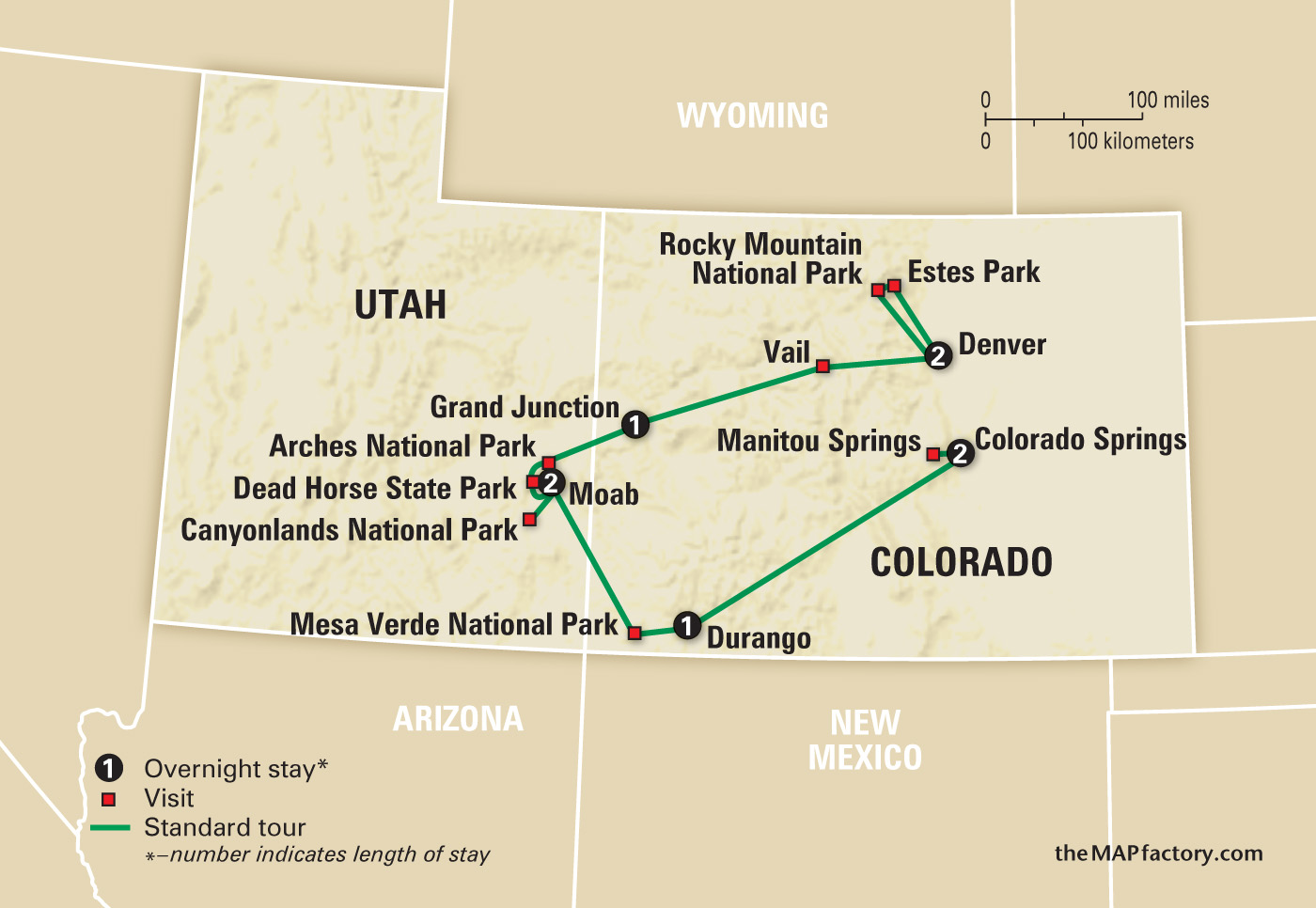
Several other significant routes connect various parts of Colorado and Utah. For instance, the drive from Durango, Colorado, to Moab, Utah, is a journey through the southwestern corner of both states, approximately 220 miles and taking around 4 to 4.5 hours. This route often passes near the Mesa Verde National Park in Colorado and heads towards the unique geological formations of southeastern Utah.
Exploring Distinct Yet Complementary Landscapes
The proximity of Colorado and Utah offers a unique opportunity for travelers to experience two dramatically different, yet equally awe-inspiring, natural environments within a single trip. The transition from the alpine grandeur of the Rockies to the desert majesty of the Colorado Plateau is a sensory feast, showcasing the diverse geological artistry of the American West.
The Majestic Rockies of Colorado
Colorado is synonymous with the Rocky Mountains, a playground for outdoor enthusiasts year-round. From the iconic fourteeners that punctuate the skyline to the pristine alpine lakes and evergreen forests, the state offers a wealth of natural beauty.
Rocky Mountain National Park
A crown jewel is Rocky Mountain National Park, accessible from towns like Estes Park. This park showcases the essence of the Rockies with its dramatic peaks, abundant wildlife, and the famed Trail Ridge Road, one of the highest continuous paved roads in North America, offering breathtaking panoramic views. Visitors can hike through subalpine forests, witness elk herds grazing in montane meadows, and experience the raw power of nature.
Colorado’s Ski Resorts and Mountain Towns
During winter months, Colorado transforms into a world-class ski destination. Resorts like Aspen Snowmass, Vail, and Breckenridge draw international crowds for their challenging slopes and luxurious amenities. Beyond skiing, these mountain towns offer vibrant après-ski scenes, fine dining, and charming boutiques, creating a sophisticated mountain lifestyle experience.
The Surreal Wonders of Utah
Utah is a geological masterpiece, characterized by its vast, arid landscapes sculpted by wind and water into otherworldly formations. The “Mighty 5,” Utah’s national parks, are world-renowned for their unique beauty and are often considered highlights of any Western American road trip.
Arches National Park
Near Moab, Arches National Park is home to over 2,000 natural sandstone arches, including the iconic Delicate Arch. Hiking trails lead to these magnificent structures, offering stunning photographic opportunities and a profound sense of geological wonder. The vibrant red hues of the rock, especially at sunrise and sunset, create a mesmerizing spectacle.
Zion National Park
Further south, Zion National Park offers a different kind of dramatic beauty. Towering sandstone cliffs, carved by the Virgin River, create a cathedral-like atmosphere. Popular hikes include The Narrows, where visitors wade through the river canyon, and Angels Landing, a challenging hike with breathtaking views. The contrast between the lush valley floor and the sheer rock faces is striking.
Bryce Canyon National Park
To the east of Zion, Bryce Canyon National Park is famed for its hoodoos – bizarre, towering rock spires that create a surreal, amphitheater-like landscape. Walking among these natural sculptures, particularly from viewpoints like Sunrise Point and Sunset Point, is an experience unlike any other. The vibrant colors of the rock, ranging from pale pink to deep orange, are amplified by the unique geological formations.
Planning Your Inter-State Adventure
When planning a trip that encompasses both Colorado and Utah, the “how far” question becomes less about the mileage and more about the experience you wish to curate. The logistical considerations, such as travel time and route selection, are intertwined with the desire to explore distinct environments.
Road Trip Considerations
A road trip is arguably the most popular and rewarding way to traverse the distance between these two states. This allows for flexibility, spontaneous detours, and the opportunity to witness the gradual yet significant shift in scenery.
Vehicle Choice and Preparation
For journeys through either state, especially during shoulder seasons or winter, a vehicle equipped for varied conditions is advisable. In Colorado, especially when traveling through the mountains, all-wheel drive or four-wheel drive can be beneficial. In Utah, while many main roads are paved, some scenic byways and access routes to trailheads may be unpaved and require higher clearance vehicles. Ensuring your vehicle is well-maintained, with checked tire pressure, fluid levels, and emergency supplies, is paramount for any long-distance exploration.
Best Times to Visit
The optimal time to visit the region depends on the specific activities and regions you intend to explore.
- Spring (April-May): Offers mild temperatures in Utah’s desert parks, with wildflowers blooming. In Colorado, this is a transitional period; lower elevations begin to thaw, while higher mountain passes may still be snowbound.
- Summer (June-August): Ideal for hiking and exploring the high country of Colorado, with access to all mountain roads. Utah’s desert parks can experience very high temperatures, making early morning or late afternoon activities recommended. Crowds are at their peak during this season.
- Fall (September-October): Considered by many to be the most beautiful time. Colorado is ablaze with autumn colors, and temperatures in both states are pleasant for outdoor activities. Utah’s desert parks offer comfortable hiking conditions with fewer crowds.
- Winter (November-March): Primarily for ski enthusiasts in Colorado. Utah’s national parks remain open, offering stark, serene landscapes, though some roads or facilities may be closed due to snow.
Accommodation Options
From cozy mountain lodges to unique desert retreats, both states offer a diverse range of lodging to complement their natural landscapes.
Mountain Lodges and Resorts in Colorado
Colorado is dotted with charming mountain towns that boast a variety of accommodations. In areas like Aspen, luxury resorts and boutique hotels offer world-class amenities. Near Rocky Mountain National Park, historic lodges and cozy cabins provide a rustic mountain experience. For those seeking a more integrated outdoor experience, glamping sites are also becoming increasingly popular.
Desert Stays and Boutique Hotels in Utah
Utah offers unique lodging experiences that often blend with the surrounding environment. In Moab, visitors can find hotels, vacation rentals, and campgrounds catering to outdoor adventurers. Unique stays like boutique hotels with desert views or even glamping setups near the national parks provide an immersive experience. Cities like St. George offer a wider range of traditional hotel options for those exploring southern Utah.
The distance between Colorado and Utah is not merely a measurement of miles, but a testament to the geographical diversity that can be experienced within a relatively short span of Western America. Whether you are driving from the urban energy of Denver to the red rock wonders of Moab, or seeking adventure in the high peaks and deep canyons, these neighboring states offer an unparalleled journey into the heart of natural splendor.
LifeOutOfTheBox is a participant in the Amazon Services LLC Associates Program, an affiliate advertising program designed to provide a means for sites to earn advertising fees by advertising and linking to Amazon.com. Amazon, the Amazon logo, AmazonSupply, and the AmazonSupply logo are trademarks of Amazon.com, Inc. or its affiliates. As an Amazon Associate we earn affiliate commissions from qualifying purchases.