
The allure of Colorado is undeniable, a state where the majestic Rocky Mountains touch the sky and offer a playground for adventurers and solace seekers alike. For many, the journey between two of its most iconic locales, Denver and Aspen, represents a significant part of the Colorado experience. Whether you’re planning a ski trip, a summer hiking excursion, or a scenic drive, understanding the distance and the various ways to traverse it is crucial for crafting an unforgettable itinerary. This guide delves into the specifics of the journey from Denver to Aspen, exploring the different routes, travel times, and the unique experiences each offers.

Understanding the Distances and Driving Routes
The most direct driving distance between Denver and Aspen is approximately 200 miles. However, the actual travel time can vary significantly based on the chosen route, road conditions, traffic, and the season. Colorado’s mountainous terrain dictates that even short distances can take a considerable amount of time to cover, and the journey from Denver to Aspen is no exception.
The Most Common Route: I-70 West to US-6 West to CO-82 West
This is the most frequently traveled and generally the most straightforward route, especially during fair weather conditions. The journey begins by heading west out of Denver on Interstate 70 (I-70). This interstate is a marvel of engineering, carving its way through the heart of the Rocky Mountains, offering breathtaking vistas at every turn.
- I-70 West to Glenwood Springs: You’ll traverse iconic mountain passes like Eisenhower Tunnel (the highest vehicular tunnel in the world) and the scenic beauty of Vail and Vail Pass. The drive through this stretch is a destination in itself, with opportunities for quick stops at viewpoints or charming mountain towns.
- Transition to US-6 West: As you approach Glenwood Springs, you’ll take an exit to merge onto US Highway 6 (US-6) West. This route generally follows the Colorado River, offering a more intimate connection with the landscape.
- US-6 West to CO-82 West: You will continue on US-6 West for a short distance before connecting with Colorado State Highway 82 (CO-82) West. This is the final leg of your journey, leading you directly into Aspen. This section of CO-82 West, known as Independence Pass (when open seasonally), is one of the most spectacular mountain roads in the United States.
Estimated Driving Time: Under optimal conditions, this route typically takes between 3.5 to 4.5 hours. However, it is crucial to factor in potential delays. During peak ski season, holidays, or periods of adverse weather, travel times can easily extend to 5-6 hours or more.
Alternative Route: Peak to Peak Scenic Byway and Beyond
For those who prefer a more leisurely and scenic approach, and are not on a strict schedule, an alternative route can be considered, though it significantly increases travel time and complexity. This route is best enjoyed during the warmer months when all roads are reliably open and free of snow.
- Peak to Peak Scenic Byway: This iconic byway offers some of the most stunning mountain scenery in Colorado, traveling through charming towns like Estes Park, Allenspark, Nederland, and Black Hawk. While not directly heading towards Aspen, it can serve as a beautiful starting point for a longer adventure.
- Connecting to I-70: From the southern end of the Peak to Peak Scenic Byway, one would need to navigate to connect with I-70 West, eventually following the primary route described above. This detour adds a considerable amount of mileage and time.
Estimated Driving Time: This route is not recommended for those seeking the most direct path. It can add several hours to the journey, making it a full-day or even multi-day excursion if one wishes to fully appreciate the byway’s attractions.
Factors Affecting Travel Time
Several crucial factors can influence how long it takes to get from Denver to Aspen by car. Being aware of these will help you plan more effectively and manage expectations.
Seasonal Considerations
The season plays a paramount role in determining both the accessibility and the travel time between these two destinations.
- Winter (December – March): This is peak ski season in Aspen, meaning increased traffic on I-70. Snowstorms can lead to road closures, delays, and chain requirements. Independence Pass (CO-82) is typically closed from late October or November through May or June due to heavy snowfall, forcing drivers to take a longer route via US-6 and then connecting to I-70 to eventually reach Glenwood Springs before heading west on US-6 and then south on CO-82. This detour significantly extends the driving time.
- Spring (April – May): This is a transitional period. Snowmelt can cause road conditions to be variable. Independence Pass remains closed for much of this period.
- Summer (June – August): This is the most favorable time for driving. Independence Pass is usually open, offering the most scenic and direct route. However, summer also brings increased tourist traffic, especially on weekends and holidays, leading to potential congestion on I-70.
- Fall (September – November): Fall offers stunning autumn foliage, making the drive particularly beautiful. However, early snowstorms can occur in October or November, potentially impacting road conditions and leading to closures of higher mountain passes. Independence Pass will close for the season during this period.
Road Conditions and Traffic
Even outside of major holidays, traffic on I-70 west of Denver can be unpredictable. Construction projects, accidents, or simply a high volume of vehicles heading to ski resorts or national parks can cause significant delays. It is always advisable to check real-time traffic updates from the Colorado Department of Transportation (CDOT) before departing.
Vehicle Choice
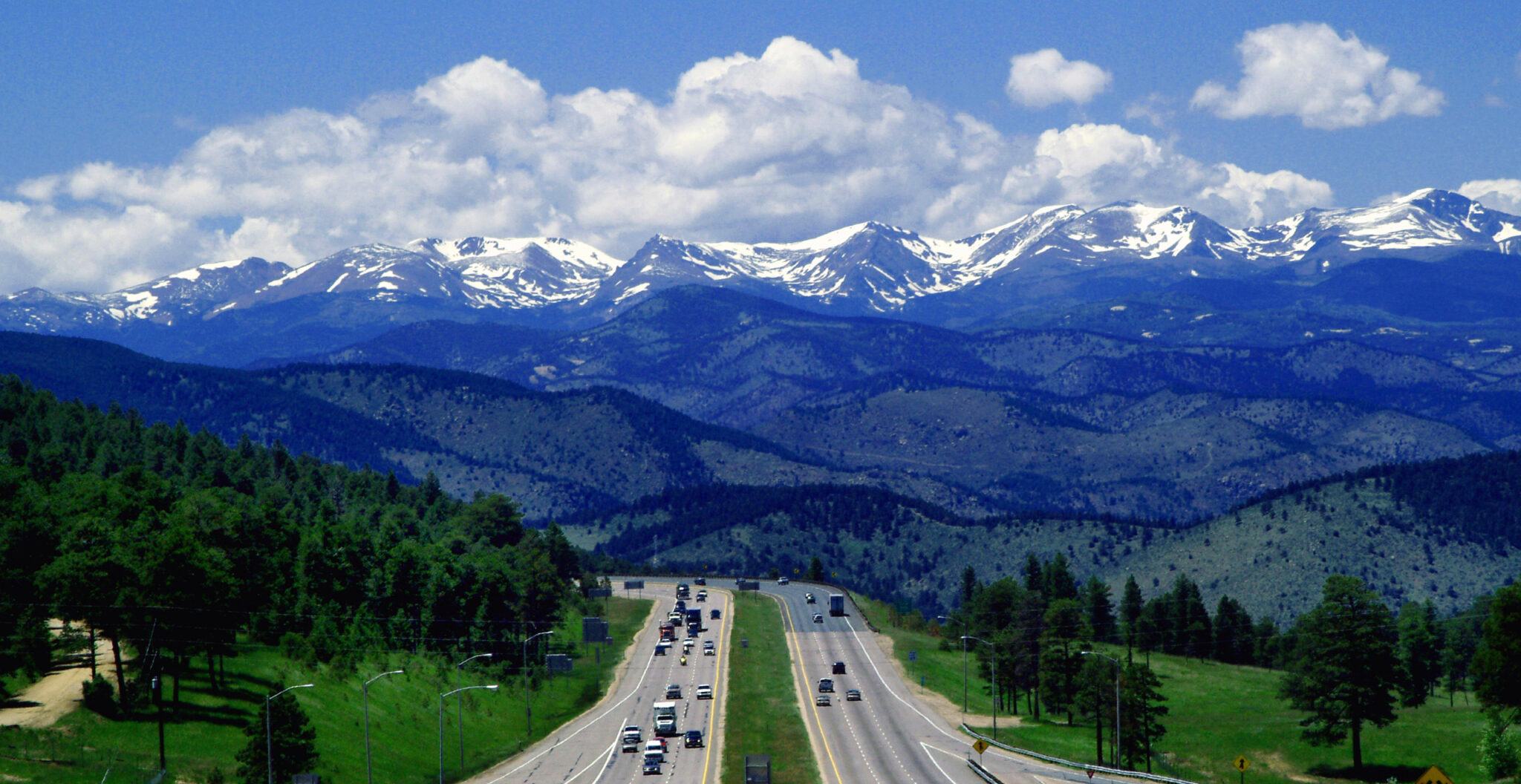
While most standard vehicles can handle the drive, especially on the main routes, having a reliable vehicle with good tires is essential, particularly during winter months. If you are driving a lower-clearance vehicle, be mindful of potential snow or ice on less-maintained secondary roads. For winter travel, vehicles equipped with four-wheel drive or all-wheel drive offer added security and traction.
Alternative Travel Options
While driving is a popular choice, several other methods can get you from Denver to Aspen, each offering a different perspective on the journey.
Flying
For the quickest transit, flying is the most efficient option.
- Aspen/Pitkin County Airport (ASE): Aspen is served by the Aspen/Pitkin County Airport (ASE), also known as Sardiff Airport. Direct flights are available from several major cities, including Denver, operated by airlines such as United Airlines and SkyWest Airlines.
- Flight Duration: The flight from Denver International Airport (DEN) to Aspen/Pitkin County Airport is very short, typically around 45 minutes to an hour.
- Considerations: While fast, flying to Aspen can be more expensive than driving, and flight schedules are subject to weather conditions, especially during winter. The airport is located just a few miles from downtown Aspen, making ground transportation readily available.
Shuttles and Private Transportation
Several shuttle services and private transportation companies operate between Denver and Aspen, offering a convenient middle ground between driving yourself and flying.
- Shared Shuttles: Companies like Colorado Mountain Express (CME), now part of Epic Mountain Express, provide shared shuttle services from Denver International Airport and various Denver locations directly to Aspen. These services are a good option for solo travelers or couples looking for a hassle-free journey without the responsibility of driving.
- Private Charters: For groups or those seeking a more personalized and luxurious experience, private car or van services are available. These can be booked for direct airport transfers or custom routes, allowing for stops along the way at your leisure.
- Travel Time: Shuttle services typically take longer than driving directly, as they often make multiple stops. The journey can range from 4.5 to 6 hours or more, depending on the route and stops.
Train
While not a direct option, a scenic train journey can be incorporated into a broader travel plan.
- Amtrak: The closest Amtrak service to Aspen is the California Zephyr, which stops in Glenwood Springs. From Denver, the train ride to Glenwood Springs is incredibly scenic, traversing the Colorado River canyon and the heart of the Rockies.
- Connecting to Aspen: Upon arrival in Glenwood Springs, you would need to arrange for ground transportation, such as a shuttle or taxi, to complete the approximately 40-mile journey to Aspen.
- Travel Time: The train journey from Denver to Glenwood Springs takes approximately 4.5 to 5 hours. Adding the transfer to Aspen makes this a longer travel day but offers a unique and relaxing way to see the landscape.
Making the Most of Your Journey
Regardless of your chosen mode of transport, the journey from Denver to Aspen offers opportunities for discovery and enjoyment.
Scenic Stops and Activities
The drive, especially along I-70 and CO-82, is dotted with potential stops for sightseeing and recreation.
- Rocky Mountain National Park: While slightly off the most direct route, a detour to Rocky Mountain National Park from Denver offers unparalleled alpine scenery, hiking trails, and wildlife viewing.
- Mountain Towns: Towns like Georgetown, Silverthorne, Dillon, Frisco, Vail, and Avon along I-70 offer amenities, restaurants, and charming atmospheres for a brief respite.
- Glenwood Springs: This town is famous for its hot springs and the historic Glenwood Hot Springs Resort. It’s an excellent place for an overnight stop or a relaxing break before the final leg to Aspen.
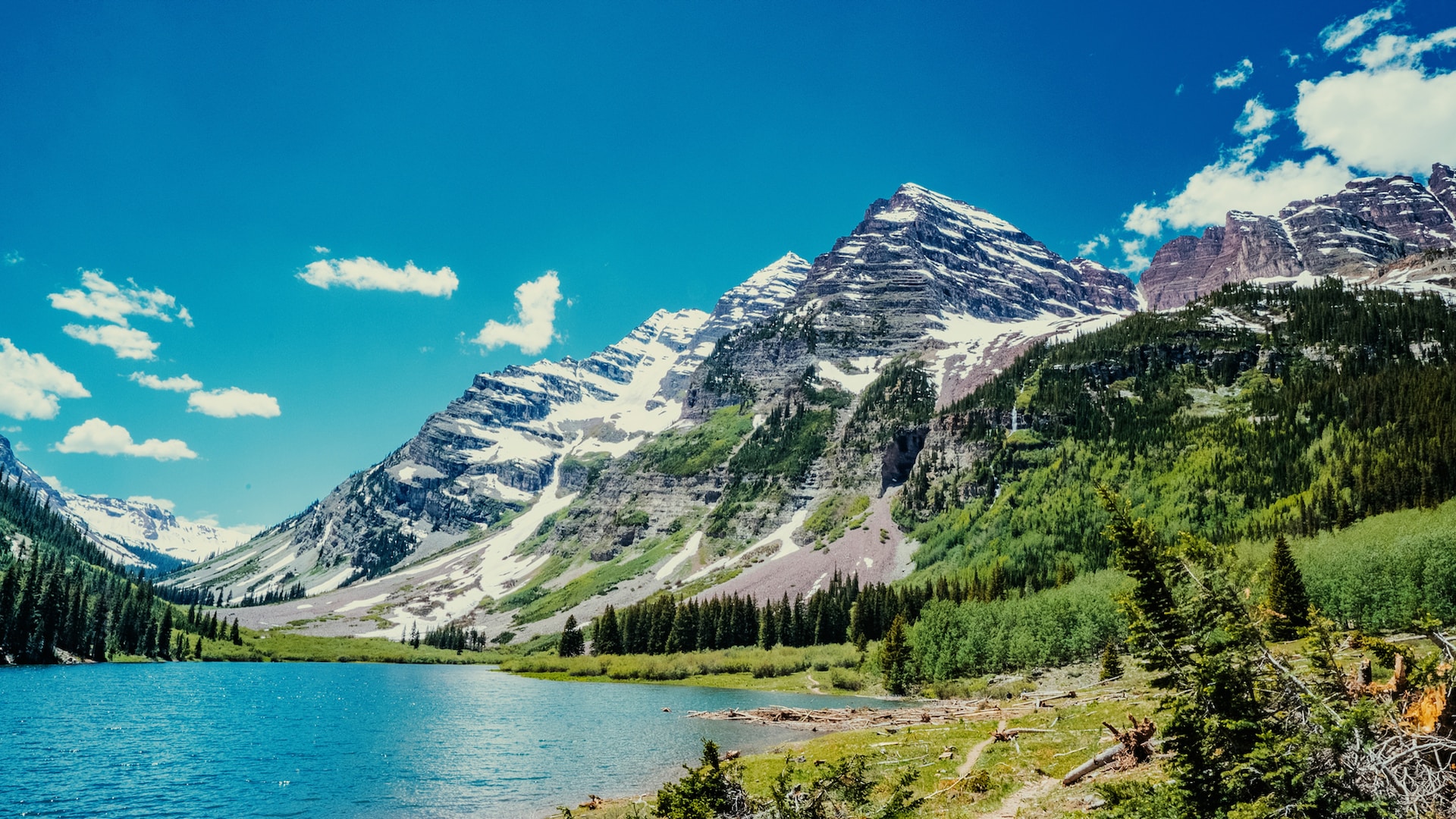
- Independence Pass: If open, the drive over Independence Pass is breathtaking. There are numerous pull-offs for photos, and short hikes to viewpoints offer panoramic vistas of the surrounding peaks. Be aware of the altitude and weather changes.
Planning and Preparation
- Check Road Conditions: Always consult CDOT for the latest road conditions and weather forecasts, especially during winter months. Websites and apps like “cotrip.org” are invaluable.
- Fuel Up: Ensure your vehicle is fueled before departing Denver, as gas stations can be sparse in some mountainous stretches.
- Pack Accordingly: Bring layers of clothing, water, snacks, and emergency supplies, especially if traveling during winter. A first-aid kit is also recommended.
- Download Offline Maps: Cell service can be unreliable in mountainous areas, so downloading offline maps for your GPS or navigation app is a wise precaution.
- Book in Advance: During peak seasons, flights, shuttles, and rental cars should be booked well in advance to secure availability and better prices.
The distance between Denver and Aspen is more than just a number of miles; it’s an invitation to experience the diverse beauty and adventure that Colorado has to offer. Whether you choose the exhilaration of a mountain drive, the speed of a flight, or the relaxed pace of a shuttle, the journey is an integral part of the Aspen experience.
LifeOutOfTheBox is a participant in the Amazon Services LLC Associates Program, an affiliate advertising program designed to provide a means for sites to earn advertising fees by advertising and linking to Amazon.com. Amazon, the Amazon logo, AmazonSupply, and the AmazonSupply logo are trademarks of Amazon.com, Inc. or its affiliates. As an Amazon Associate we earn affiliate commissions from qualifying purchases.