
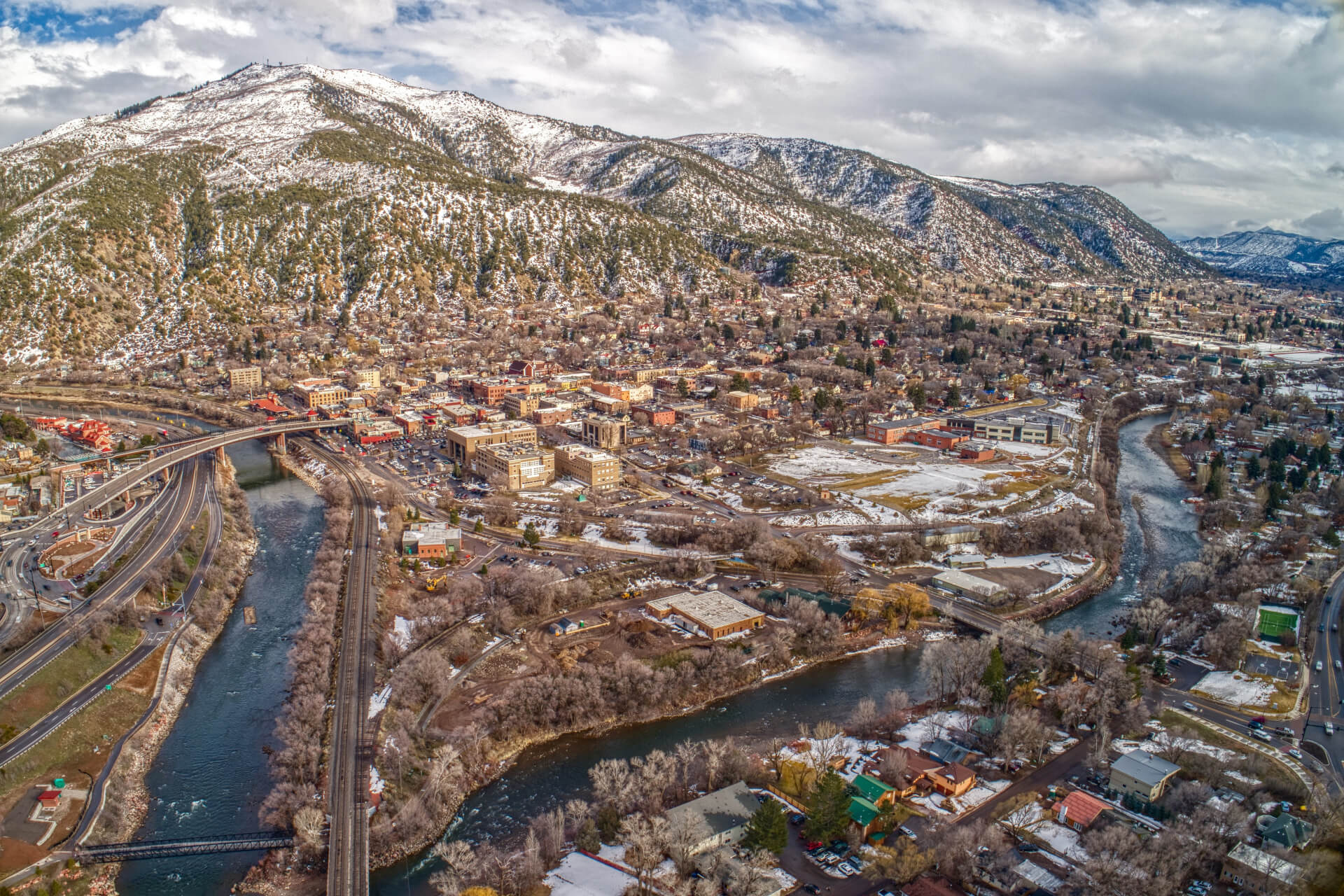
Glenwood Springs, Colorado, a jewel nestled at the confluence of the Colorado River and the Roaring Fork River, is a destination that beckons travelers with its natural wonders and recreational opportunities. For those planning a trip from Denver, understanding the distance and travel time is a crucial first step in crafting an unforgettable Colorado adventure. This guide delves into the specifics of the journey, offering insights into the various routes, estimated travel times, and the unique experiences that await in this captivating mountain town.
The Direct Route: Distance and Driving Time
The most straightforward and commonly taken route from Denver to Glenwood Springs traverses the heart of the Rocky Mountains via Interstate 70 (I-70). This scenic highway offers breathtaking vistas and a direct path to your destination.

Distance Breakdown
The driving distance between Denver and Glenwood Springs is approximately 160 miles. This figure can vary slightly depending on your exact starting point within the Denver metropolitan area and your final destination within Glenwood Springs.
Estimated Driving Time
Under optimal conditions, the drive from Denver to Glenwood Springs typically takes around 2 hours and 45 minutes to 3 hours. However, this is a projection, and actual travel times can be significantly influenced by several factors.
Factors Affecting Travel Time
- Traffic Conditions: Denver and its surrounding areas can experience heavy traffic, particularly during peak commuting hours, weekends, and holidays. Departing early in the morning or later in the evening can help mitigate delays.
- Weather: Mountain weather is notoriously unpredictable. During the winter months, snowfall, icy roads, and potential road closures on I-70 are common. Travelers should always check weather forecasts and road conditions before departing. Summer can bring thunderstorms, which can slow down traffic.
- Construction: Road construction projects are frequent along I-70, especially during the warmer months. These can lead to lane closures and significant slowdowns. It is advisable to check the Colorado Department of Transportation (CDOT) website for any alerts.
- Stops and Sightseeing: The allure of the mountain scenery along I-70 is undeniable. Many travelers choose to break up the journey with spontaneous stops at scenic overlooks or charming roadside towns. While these add to the experience, they also extend the overall travel time.
Alternative Routes and Their Appeal
While I-70 is the most direct, other routes offer different perspectives and potential detours for those with more time or a desire for a more leisurely exploration of Colorado.
Scenic Byways and Backroads
For the adventurous traveler seeking a more immersive experience, exploring routes that deviate from the interstate is highly rewarding. These can add considerable time to the journey but open up opportunities to discover hidden gems and experience the diverse landscapes of Colorado.
The Peak to Peak Scenic Byway (Partial Inclusion)
While not a direct route, a portion of the iconic Peak to Peak Scenic Byway could be incorporated for those who wish to experience some of the most stunning alpine scenery. This would involve exiting I-70 earlier and rejoining it later, significantly increasing travel time but offering unparalleled views. This option is best suited for multi-day trips where the journey itself is part of the destination.
U.S. Highway 6
In some sections, U.S. Highway 6 parallels I-70 and can offer a more local driving experience. It passes through smaller towns and offers a slightly different perspective of the landscape. However, it is generally slower than the interstate due to lower speed limits and more local traffic.
Considerations for Alternative Routes
- Time Commitment: These routes are not for the time-pressed. They often involve winding roads, lower speed limits, and a greater number of potential stops, making them more suitable for leisurely travel.
- Vehicle Suitability: While most passenger vehicles can handle these routes, it’s wise to ensure your vehicle is in good condition, especially if venturing onto less-maintained roads.
- Navigation: Ensure you have reliable GPS or maps, as cell service can be spotty in remote mountain areas.
Planning Your Trip: Tips for a Smooth Journey
Successful travel from Denver to Glenwood Springs hinges on thoughtful planning, especially given the mountain environment.
Vehicle Preparation
- Tires: Ensure your tires are in good condition, with adequate tread, especially if traveling during winter. Consider all-season or snow tires if traveling between October and April.
- Fluid Levels: Check all essential fluid levels, including oil, coolant, and windshield wiper fluid.
- Emergency Kit: Pack an emergency kit that includes blankets, a first-aid kit, water, snacks, a flashlight, jumper cables, and a mobile phone charger.
Essential Information to Check
- Weather Forecast: Monitor weather conditions for both Denver and Glenwood Springs, as well as for any mountain passes along the route.
- Road Conditions: Utilize CDOT’s resources to check for real-time road closures, construction, and travel advisories.
- Gasoline: Fuel up before leaving Denver, as gas stations can be spread out along I-70, particularly in the mountain sections.
Timing Your Departure
- Avoid Peak Times: To minimize the impact of traffic, aim to leave Denver outside of typical rush hours (before 7 AM or after 9 AM, and after 6 PM on weekdays). Weekends, especially Friday afternoons and Sunday evenings, can also see significant congestion.
- Consider the Season: Winter travel requires extra caution and flexibility. Summer can be busy due to tourism and can also bring afternoon thunderstorms.
The Journey Itself: What to Expect Along I-70
The drive along I-70 is more than just transit; it’s an integral part of the Colorado experience, offering stunning panoramas at every turn.
Key Landmarks and Towns
As you ascend into the mountains, you’ll pass through several notable areas:
- Georgetown: An historic mining town with a charming Victorian atmosphere.
- Loveland Pass: While I-70 bypasses the summit, the surrounding area offers incredible alpine views.
- Vail: A world-renowned ski resort town, worth a stop for its European-inspired architecture and vibrant atmosphere.
- Eagle: A growing community that serves as a gateway to various outdoor activities.
Scenic Overlooks and Rest Stops
I-70 is dotted with numerous well-maintained rest stops and designated scenic overlooks. These provide excellent opportunities to stretch your legs, take in the magnificent mountain vistas, and capture photographs. Some popular overlooks offer expansive views of valleys, peaks, and rivers.
Services Along the Route
For basic amenities such as restrooms, food, and fuel, I-70 is generally well-equipped. Major towns like Georgetown, Silverthorne, Vail, and Eagle offer a range of services. However, it’s always wise to be prepared and to fill up your gas tank when the opportunity arises.

Arrival in Glenwood Springs: The Destination Awaits
Upon your arrival in Glenwood Springs, you’ll find a town renowned for its geothermal hot springs, outdoor adventures, and stunning natural beauty. The journey from Denver is an introduction to the majestic landscapes that define this part of Colorado, and Glenwood Springs itself is a fitting reward for the miles traveled. Whether you’re seeking relaxation in the famous Glenwood Hot Springs Pool, exploring the depths of Glenwood Caverns Adventure Park, or embarking on a hiking expedition, the transition from the urban environment of Denver to the natural splendor of Glenwood Springs is a journey worth taking. Understanding the distance and planning accordingly ensures a seamless and enjoyable transition into the heart of the Rockies.
LifeOutOfTheBox is a participant in the Amazon Services LLC Associates Program, an affiliate advertising program designed to provide a means for sites to earn advertising fees by advertising and linking to Amazon.com. Amazon, the Amazon logo, AmazonSupply, and the AmazonSupply logo are trademarks of Amazon.com, Inc. or its affiliates. As an Amazon Associate we earn affiliate commissions from qualifying purchases.