
The allure of the Rocky Mountains often draws travelers to the vibrant heart of Colorado, and the question of proximity between its key cities is a common one for those planning an itinerary. Understanding the travel distances between Denver and Loveland is crucial for maximizing your exploration of the Centennial State. Whether you’re seeking outdoor adventures, cultural experiences, or simply a scenic drive, knowing this distance will shape your journey, from car rentals to the timing of your arrival at various attractions.
Understanding the Distance and Travel Time
The geographical relationship between Denver and Loveland is characterized by a straightforward north-south corridor, making the journey generally uncomplicated. Both cities are significant hubs in northern Colorado, with Loveland serving as a gateway to the northern reaches of the state and Denver as its bustling capital.

Driving Distance and Routes
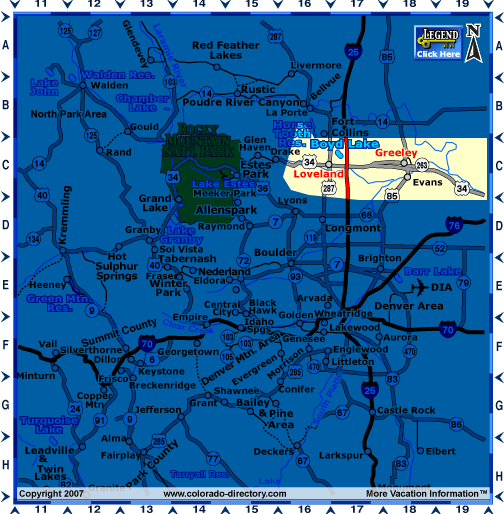
The most common and efficient way to travel between Denver and Loveland is by car. The primary route follows Interstate 25 (I-25) North. This interstate is a well-maintained highway, offering a relatively smooth and direct passage.
- Typical Driving Distance: The driving distance between the two cities is approximately 50 to 55 miles, depending on your specific starting point in Denver (e.g., downtown, Denver International Airport) and your final destination in Loveland (e.g., the downtown area, a specific attraction).
- Estimated Travel Time: Under normal traffic conditions, the drive typically takes between 50 minutes and 1 hour and 15 minutes. This timeframe can fluctuate significantly based on several factors.
Factors Affecting Travel Time
Several variables can influence the time it takes to travel from Denver to Loveland. Being aware of these will help you plan your trip more effectively.
- Traffic Congestion: Denver is a major metropolitan area, and I-25 North can experience significant congestion, especially during peak commuting hours (typically 7:00 AM to 9:00 AM and 4:00 PM to 6:00 PM on weekdays). Weekends, particularly during holiday periods or major events in Denver, can also see increased traffic.
- Road Construction: As with any active highway system, I-25 is subject to ongoing construction and maintenance projects. These can lead to lane closures, reduced speed limits, and considerable delays. It is always advisable to check local traffic reports or use a real-time navigation app before setting off.
- Weather Conditions: Colorado is known for its unpredictable weather, especially during the winter months. Snowstorms, ice, and heavy rain can dramatically slow down travel, reduce visibility, and even lead to temporary road closures. It is crucial to check weather forecasts and road conditions before embarking on your journey, particularly between October and April.
- Time of Day: Traveling outside of peak hours will generally result in a faster journey. Early mornings, late evenings, and midday hours on weekdays are usually less congested.
Navigating Your Journey: Routes and Considerations
The primary artery connecting Denver and Loveland is I-25 North. This well-signed interstate makes navigation straightforward for most drivers.
The I-25 North Corridor
- Key Exits: As you travel north on I-25 from Denver, you will pass through communities like Thornton and Longmont before reaching Loveland. The exits for Loveland are clearly marked, typically including US Highway 34 (US-34) and other local arterial roads that provide access to different parts of the city.
- Scenery: While I-25 is a functional highway, the drive itself offers glimpses of the changing Colorado landscape. As you move north from the urban sprawl of Denver, the foothills of the Rocky Mountains begin to become more prominent on the western horizon, offering a visual prelude to the natural beauty awaiting in and around Loveland.
Alternative Routes and Scenic Detours
While I-25 is the most direct route, there are opportunities for more scenic detours for those with extra time and a desire to explore the less-traveled paths.
- US Highway 287: In some instances, particularly if there are significant delays on I-25, US-287 North can serve as an alternative. This route runs parallel to I-25 for much of its length, passing through communities like Longmont as well. While it might be slightly slower due to traffic lights and lower speed limits in towns, it offers a different perspective of the landscape and access to charming small towns.
- Local Roads and County Highways: For the truly adventurous, exploring a network of county roads and state highways north of Denver can lead to a more intimate experience of the Colorado countryside. These routes often wind through agricultural areas and offer closer views of the foothills. However, they require more planning and are best suited for those who are familiar with the area or have a detailed map and GPS. These detours will significantly increase travel time.
Practical Travel Tips for Your Trip
Planning your trip between Denver and Loveland involves more than just knowing the distance; it’s about optimizing your travel experience.
Transportation Options
Beyond personal vehicles, other transportation methods are available, though they may be less flexible.
- Ride-Sharing Services: Services like Uber and Lyft operate extensively in the Denver metropolitan area and can be booked for a trip to Loveland. However, the cost can be substantial for this distance, and availability might be more limited for the return journey from Loveland to Denver.
- Public Transportation: While direct public transportation between Denver and Loveland is not as extensive as within the Denver metro area, regional bus services may exist or be in development. Travelers should research current schedules and routes with local transit authorities for Larimer County and Denver for the most up-to-date information. This option is generally the slowest but can be the most budget-friendly for solo travelers.
Preparing for Your Journey
A little preparation can go a long way in ensuring a smooth and enjoyable trip.
- Navigation Tools: Utilize real-time GPS navigation apps (e.g., Google Maps, Waze) on your smartphone. These apps provide live traffic updates, suggest the fastest routes, and alert you to any road closures or construction.
- Vehicle Checks: If driving your own vehicle, ensure it is in good working condition. Check tire pressure, fluid levels, and brakes, especially if traveling during winter months when road conditions can be challenging.
- Snacks and Refreshments: While the drive is not exceptionally long, having water and snacks on hand can make the journey more comfortable, especially if you encounter unexpected delays. There are numerous gas stations and convenience stores along I-25, but having your own provisions can save time.
- Entertainment: For longer drives or if traveling with children, consider downloading podcasts, audiobooks, or playlists to keep passengers entertained.
Exploring Loveland: What Awaits After Your Drive
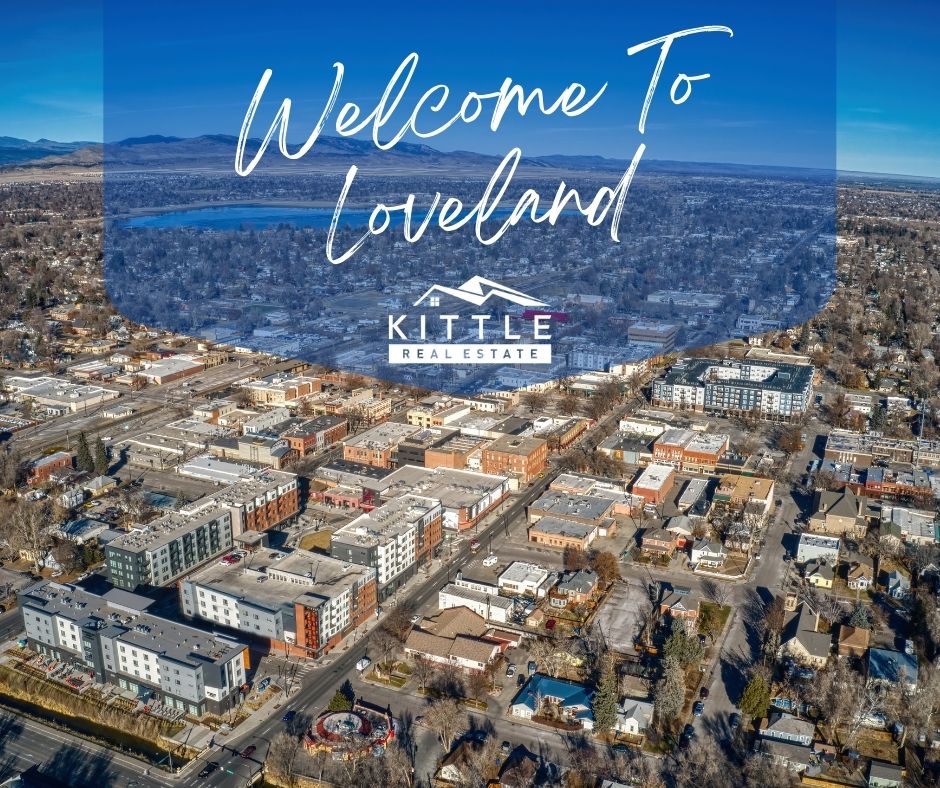
Once you arrive in Loveland, a city known for its public art, scenic beauty, and access to outdoor recreation, you’ll find a welcoming destination. Understanding the proximity to Denver allows you to seamlessly integrate these two distinct Colorado experiences into one cohesive trip.
Key Attractions in Loveland
Loveland offers a variety of attractions that cater to diverse interests.
- Public Art: Loveland is renowned as the “Sweetheart City” and boasts a vibrant public art scene. Walking tours of sculptures, the Loveland Sculpture Park, and the annual Lions Club Art Show are popular draws.
- Outdoor Recreation: The city is situated near the foothills, providing easy access to hiking and biking trails. Nearby reservoirs like Horsetooth Reservoir and Carter Lake offer opportunities for water sports and camping. The scenic Big Thompson River flows through the area, offering picturesque views and recreational activities.
- Gateway to the Rockies: Loveland serves as a convenient starting point for exploring further into the northern Rocky Mountains, including destinations like Estes Park and the entrance to Rocky Mountain National Park.
Integrating Denver and Loveland into Your Itinerary
The relatively short distance between Denver and Loveland makes it feasible to experience both cities within a single trip.
- Day Trips: A day trip from Denver to Loveland is entirely manageable. You could spend the morning exploring Denver’s cultural attractions, enjoy lunch, and then drive north to experience Loveland’s art scene or natural beauty in the afternoon.
- Multi-City Stays: For a more in-depth exploration, consider splitting your accommodation between Denver and Loveland. This allows you to fully immerse yourself in the urban vibrancy of Denver and then transition to the more relaxed, nature-oriented atmosphere of Loveland without the pressure of long daily commutes. The short travel time between them makes this a highly flexible travel strategy.