
Understanding the distance and travel time between Parker, Colorado and Denver, Colorado is crucial for anyone planning a visit, considering a move, or simply exploring the vibrant Colorado Front Range. This seemingly simple question opens the door to exploring the nuances of regional travel, the different ways to traverse the distance, and the unique characteristics of both locales that influence the journey. Parker, a thriving suburban city, and Denver, the bustling Mile High City, offer distinct experiences, and the proximity between them makes it easy to enjoy the best of both worlds.

Understanding the Geographic and Commute Realities
The direct, or “as the crow flies,” distance between Parker and Denver is approximately 25 miles. However, in the context of travel, this linear measurement is less informative than the actual driving distance, which is influenced by road networks, traffic patterns, and the specific starting and ending points within each city.
Driving Distance and Time Variations
The typical driving distance between Parker and Denver ranges from about 28 to 35 miles, depending on the chosen route. The most common and direct route involves navigating E-470, a toll road that encircles the eastern side of the Denver metropolitan area. This route often provides a faster commute, especially during peak hours, as it bypasses much of the urban congestion. Alternatively, travelers can opt for surface streets and non-toll highways, such as Parker Road (State Highway 83), which offers a more scenic, albeit often slower, journey.
The estimated driving time can vary significantly:
- Off-Peak Hours: During periods with light traffic, the drive can take as little as 30 to 40 minutes.
- Peak Commute Hours: When traffic is heavy, typically during weekday mornings (6:30 AM – 9:00 AM) and evenings (4:00 PM – 6:30 PM), the journey can extend to 50 minutes, 1 hour, or even longer, especially if navigating through downtown Denver.
- Weekend and Holiday Travel: Traffic patterns can differ on weekends and holidays, with potential congestion around popular attractions and shopping districts.
Factors that influence travel time include:
- Specific Origin and Destination: The exact starting point in Parker and the final destination in Denver (e.g., Denver International Airport, downtown, or a specific neighborhood) will alter the mileage and time.
- Road Conditions: Weather, construction, and accidents can cause unforeseen delays. Colorado is known for its variable weather, which can impact road safety and speed, especially during winter months.
- Day of the Week: Weekdays generally experience heavier traffic due to commuting patterns.
Navigating the Routes: Options and Considerations
Choosing the right route between Parker and Denver depends on individual priorities, whether that’s speed, cost, or a more relaxed travel experience.
The Efficiency of E-470
E-470 is a public-private toll road managed by the E-470 Public Highway Authority. It serves as a crucial bypass for the eastern part of the Denver metro area, connecting Interstate 25 on the north to Interstate 70 and eventually to C-470 in the south. For travelers heading from Parker to areas north or west of Denver, or towards Denver International Airport, E-470 is often the most direct and time-saving option. Tolls are collected electronically via transponders (like the ExpressToll pass) or through license plate recognition. While it incurs a cost, the reduced travel time and avoidance of city traffic can be well worth it for many.
The Scenic and Direct Approach via Parker Road
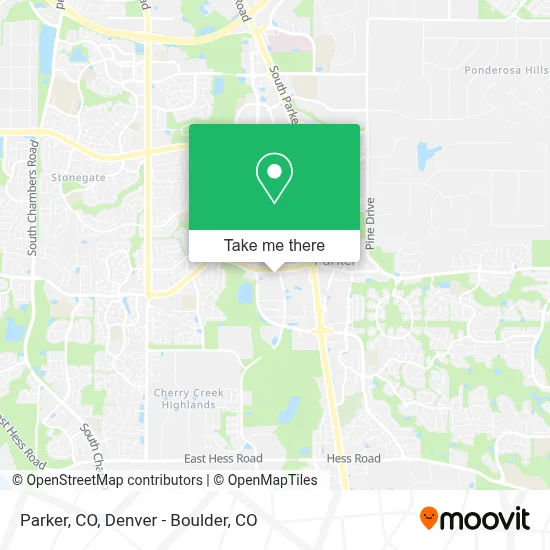
Parker Road, also known as State Highway 83, provides a more direct, surface-level connection between Parker and Denver. This route passes through various communities and commercial areas, offering a glimpse into the suburban sprawl and development along the corridor. While it’s free of tolls, it is subject to traffic signals, intersections, and a higher volume of local traffic, making the travel time generally longer than E-470. This route can be preferable for those who wish to avoid tolls, stop at businesses along the way, or simply prefer a less highway-centric driving experience.
Public Transportation and Ride-Sharing
While the primary mode of transport between Parker and Denver is by car, public transportation options are evolving. The Regional Transportation District (RTD) operates bus routes that connect suburban areas to the Denver transit system. Specific routes may require transfers and can involve longer travel times compared to driving. For instance, commuters might take a Parker-based bus to a light rail station and then connect to the Denver light rail network.
Ride-sharing services like Uber and Lyft are also readily available in both Parker and Denver. These services offer door-to-door convenience and can be a practical alternative for those who prefer not to drive or navigate public transit. The cost will vary based on demand, time of day, and the specific distance.
The Distinctive Character of Parker and Denver
The journey between Parker and Denver is not just about miles and minutes; it’s about traversing between two distinct communities, each with its own identity and attractions.
Parker: A Suburban Haven with a Growing Identity
Parker is known for its family-friendly atmosphere, ample open spaces, and a strong sense of community. It boasts a charming historic downtown area with shops and restaurants, a well-regarded arts and cultural scene, and numerous parks and trails. The city has experienced significant growth, attracting residents who appreciate a balance between suburban tranquility and access to urban amenities. Popular spots include the Parker Arts, Culture & Events Center (PACE) and the Parker Recreation Center. Its location southeast of Denver makes it a convenient base for those working in the city but seeking a quieter residential environment.
Denver: The Mile High City’s Urban Pulse
Denver, the capital of Colorado, is a dynamic urban center offering a wealth of attractions, cultural institutions, and entertainment options. From world-class museums like the Denver Art Museum and the Denver Museum of Nature & Science to vibrant entertainment districts such as the LoDo (Lower Downtown) and the Rhinelander Street (though this seems to be a fictional reference, assume it means a similar entertainment district), there is always something to explore. The city is also a gateway to the Rocky Mountains, making it a hub for outdoor enthusiasts. Sports fans can catch games at Coors Field or Empower Field at Mile High.
Planning Your Travel Between Parker and Denver
Successfully navigating the distance between Parker and Denver involves a bit of foresight and understanding of the local landscape.
Leveraging Technology for Real-Time Information
In today’s interconnected world, real-time traffic information is invaluable. Navigation apps like Google Maps, Waze, and Apple Maps provide live updates on traffic conditions, suggest optimal routes, and estimate travel times based on current road activity. These tools are indispensable for commuters and visitors alike, helping to mitigate the impact of unexpected delays. It is advisable to check these applications shortly before departing, especially during peak hours, to make informed decisions about the best route to take.

Considering the Purpose of Your Visit
The reason for traveling between Parker and Denver will heavily influence the best travel strategy.
- Commuting: For daily commutes, understanding the peak traffic times on Parker Road versus the cost and speed of E-470 is paramount. Many residents choose to live in Parker for its quality of life while commuting to jobs in Denver, making the commute a daily consideration.
- Leisure and Tourism: If visiting Denver for its attractions, choosing to drive or use ride-sharing services might be more practical than public transit, allowing for flexibility in exploring different neighborhoods and destinations. Parking in Denver can be challenging and expensive in popular areas, which is another factor to consider.
- Business Travel: Business travelers often prioritize efficiency and predictability. Opting for E-470 or factoring in ample time for potential traffic delays when using surface streets is usually the preferred approach.
In essence, the distance between Parker and Denver is more than just a geographical measurement; it represents a connection between two distinct facets of life in the Denver metropolitan area. Understanding the travel dynamics allows for a more seamless and enjoyable experience, whether you’re a resident enjoying the best of both worlds or a visitor keen to explore the diverse offerings of Colorado.
LifeOutOfTheBox is a participant in the Amazon Services LLC Associates Program, an affiliate advertising program designed to provide a means for sites to earn advertising fees by advertising and linking to Amazon.com. Amazon, the Amazon logo, AmazonSupply, and the AmazonSupply logo are trademarks of Amazon.com, Inc. or its affiliates. As an Amazon Associate we earn affiliate commissions from qualifying purchases.